At a glance
first-time Kanazawa visitors who want history, food and crafts without rushing
Kanazawa, Ishikawa
9 min read
18 August 2026
Reconfirm changing details with the listed responsible organizations. Source check: 18 August 2026.
Kanazawa deserves two days because its strongest places belong to different parts of the former castle city. The castle and Kenrokuen explain the domain center; Nagamachi shows a samurai district at street level; markets and museums connect wealth, food and culture; workshops demonstrate that Kaga craft is still practiced rather than frozen as decoration.
A one-day loop can collect the major names. Two days reveal the relationships and create room for weather, museum time and a craft experience that is more than a five-minute souvenir stop.
Choose a central base
Kanazawa Station is a transport hub, not the center of every attraction. Buses connect the principal districts, while many central sections are walkable once you arrive. Choose accommodation according to evening priorities: station convenience, the market and central shops, or the historic districts.
Do not plan repeated station returns between every stop. Group the city by geography and use walking for the connections that make the old urban plan visible.
Day 1: domain center and samurai streets
Begin around Kanazawa Castle and Kenrokuen. Their operating arrangements may differ, so check current official information and decide which deserves the first morning entry.
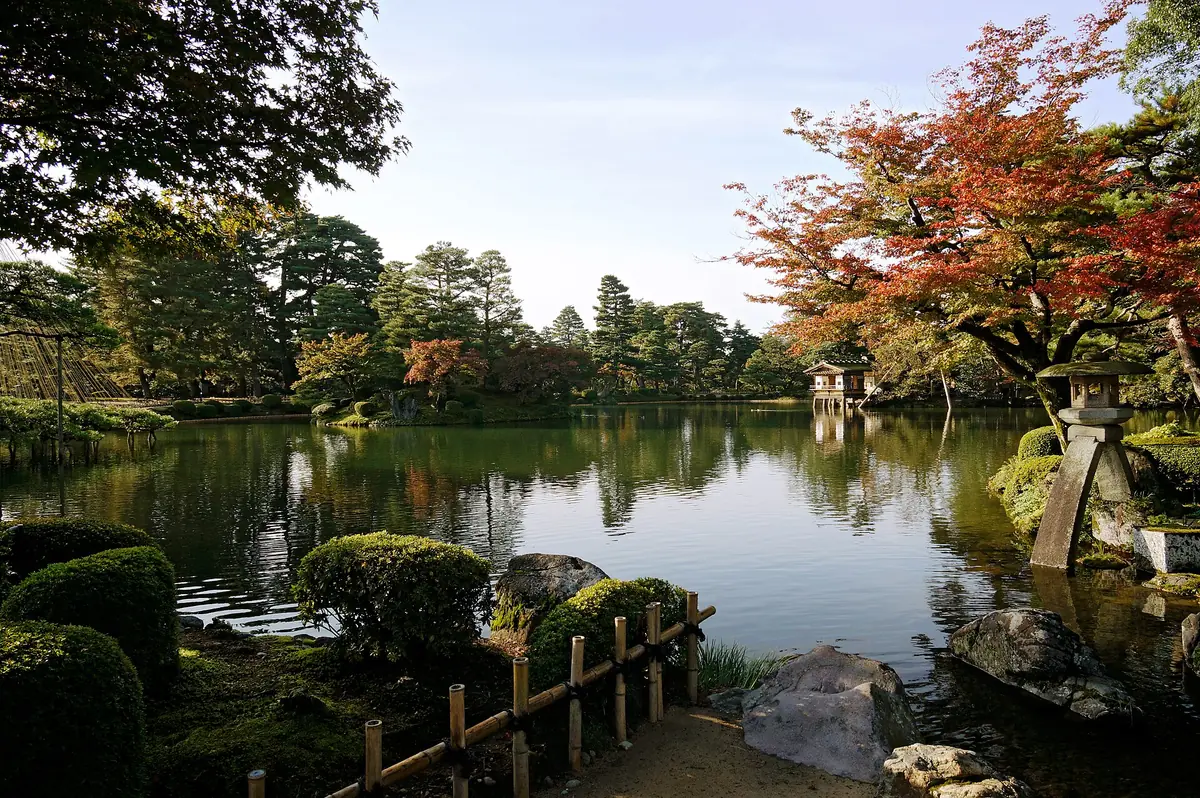
The castle landscape is important even where buildings are reconstructed. Gates, walls, open grounds and position within the city explain the Kaga domain’s political center. Kenrokuen adds the garden culture supported by that domain wealth.
After lunch, continue toward Nagamachi. The district is not a costume stage: walls, water channels, narrow streets and surviving residences show how samurai households occupied space near the castle.
A workable first day is:
- castle grounds and one focused interior or museum;
- Kenrokuen at a pace appropriate to the season;
- lunch between the central districts;
- Nagamachi and one interpreted residence;
- dinner without adding another major museum.
Rain and snow are part of Kanazawa’s climate. Carry protection that does not block narrow streets and allow more time on wet stone.
Day 2: market, museums and living craft
Start at Omicho Market or another food-centered stop when businesses are active. It remains a commercial environment, so keep groups and photography out of working space. Prices and seasonal products vary; the market is not a guarantee that every item is cheaper than elsewhere.
Use the middle of the day for one or two museums, not all of them. Choose according to your interest in contemporary art, domain history, Noh, tea or craft.
Reserve a craft experience only when it explains materials and process. Kanazawa’s official tourism information covers established traditions such as gold leaf, lacquer, ceramics, dyeing and other Kaga crafts. A workshop should be treated as time with a practitioner, not merely a background for photographs.
Finish in a historic commercial or geisha district if that fits your interests. These neighborhoods include active businesses and residences. Do not photograph people without permission or block doorways while waiting for a performance you have not booked.
What to book and what to keep flexible
Book ahead when a workshop, performance, guided visit or specific restaurant is essential. Keep gardens and general walking blocks flexible around weather.
Reconfirm:
- museum closure days;
- workshop language and duration;
- current bus routes and payment;
- luggage arrangements on arrival and departure;
- temporary access changes after severe weather or maintenance.
Food as part of the route
Seafood, Kaga vegetables, wagashi, tea and sake fit naturally into the two-day structure. Use lunch near the day’s district rather than crossing the city for a single famous queue.
One planned dinner can support the trip, but a reservation should match budget and dietary needs. Ask directly about allergies; do not rely on visual inspection of a set menu.
When to add a third day
Add another day for deeper museums, multiple craft workshops, an onsen extension or an excursion outside central Kanazawa. Do not compress Shirakawa-go, Takayama or the Noto Peninsula into spare afternoon space. Each requires transport planning and, in many cases, a separate overnight decision.
Two days is the commercial sweet spot and the cultural minimum: long enough to understand why Kanazawa became a craft city, short enough to fit a wider Hokuriku journey.
Put the guide on the map
Towns and routes mentioned here
A castle city where Maeda patronage still links samurai districts, gardens, markets and working craft studios.
Suggested routeKanazawa samurai districts and living craftsRead the castle-town plan first, then meet the craft traditions the Kaga domain helped sustain.
Suggested routeAlps, castles and craft citiesCross central Japan through three cities whose castles, merchant districts and craft traditions make the mountain journey worth slowing down.
Keep planning
Read next
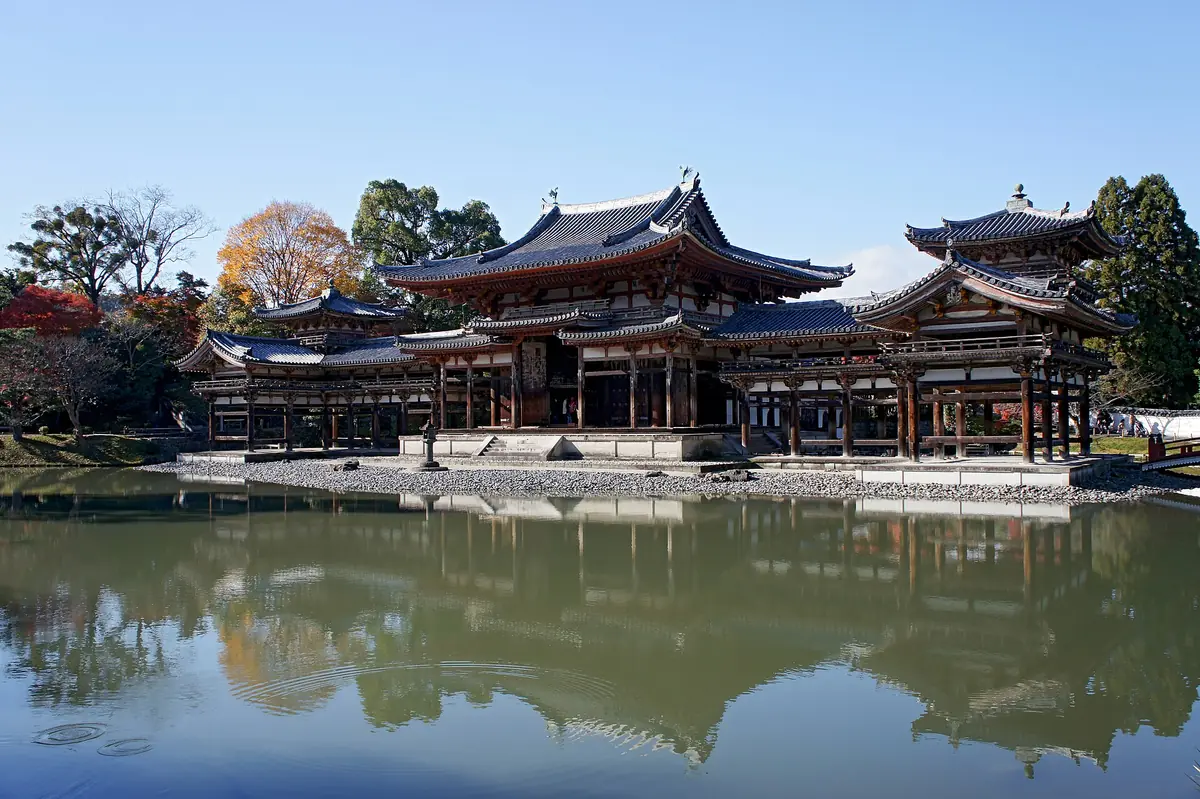

Uji Half-Day from Kyoto
Build a realistic half-day in Uji around Byodoin, the Uji River, The Tale of Genji and tea without turning the city into a rushed Kyoto add-on.
Open guide →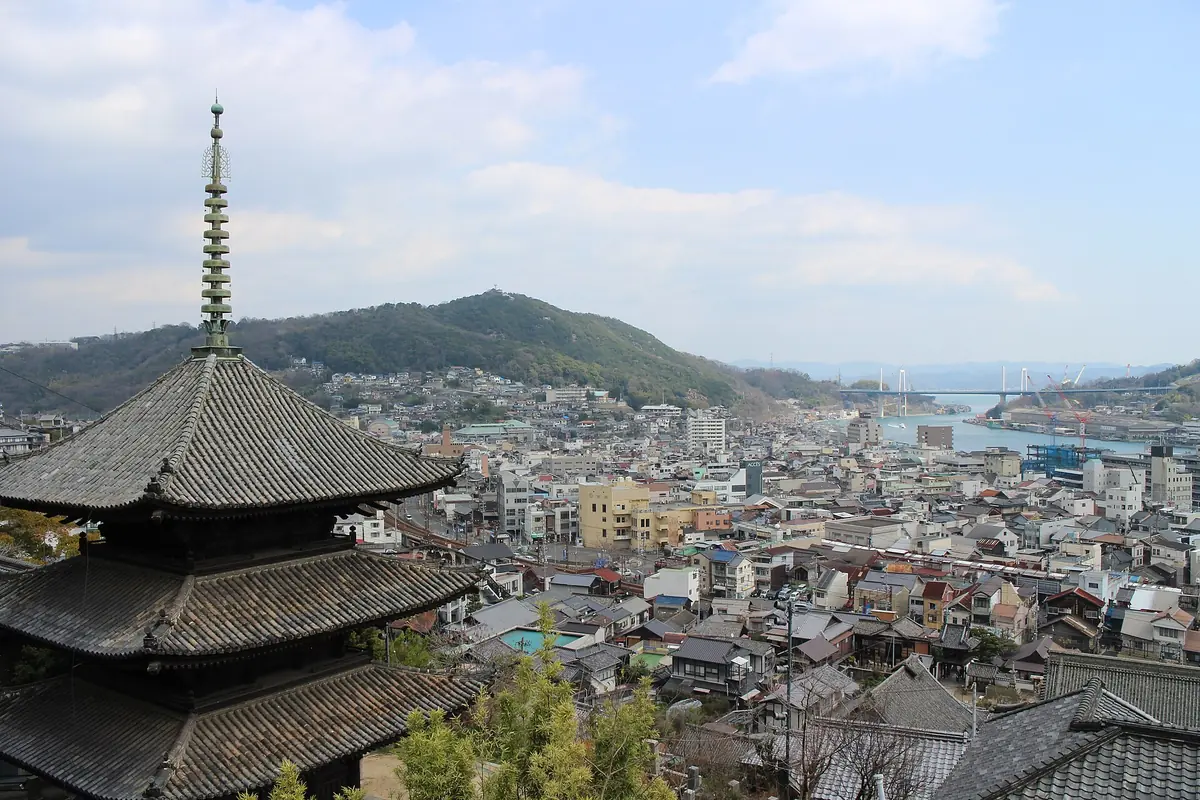

Onomichi Film & Literature Walk
Walk Onomichi’s station, waterfront, hillside temples and literary landscape with realistic stairs, luggage and Shimanami planning.
Open guide →Official sources
- Traditional crafts of KanazawaKanazawa City Tourism Association · checked 18 August 2026
- The lifestyle of samurai and their lordsKanazawa City Tourism Association · checked 18 August 2026