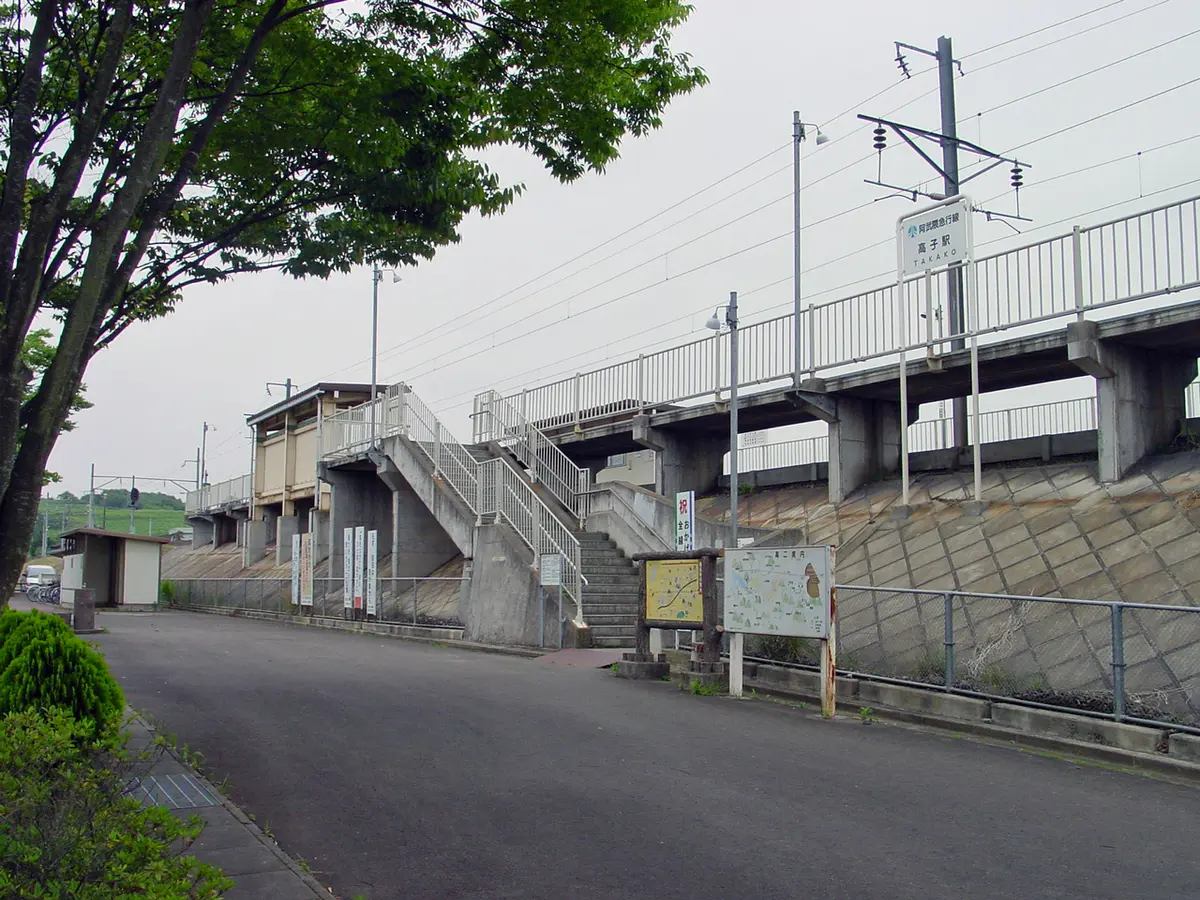
Multiple reliable sources support the relationship, but the place is not presented as an officially designated setting.
What the evidence establishes
Takako is central to local traditions about the clan’s early settlement, best understood alongside evidence across the historic Date district.
This classification is based on Date City and Koori Town. The evidence label describes the documented relationship between the story, person, history or cultural practice and the real place.
What the label does not claim
The label is not permission to reproduce copyrighted images, characters, dialogue or logos. It also does not turn every nearby street, building or community account into an officially designated location. Where evidence stops, SceneTrail Japan says so.
Read the place, not only the reference
Date City in Fukushima is not simply a place with a famous surname. Yanagawa was a major medieval base for successive Date lords, while nearby Takako, Ryozen and Koori preserve other chapters in a regional story that later extended to Yonezawa and Sendai. The evidence is strongest when the wider historic Date district is treated as a network rather than forcing one modern municipality to own a single “birthplace.”
Useful context includes The Date clan and its medieval bases at Yanagawa and Takako; Ryozen and the memory of the Southern Court commander Kitabatake Akiie; Anpo-gaki, the amber-colored semi-dried persimmon associated with the Yanagawa area. These connections matter because they keep the visit rooted in the town rather than reducing it to a photograph or checklist.
Practical starting points
Open the places in visit order
These public places provide a practical route through the town. They are not all claimed as exact scene locations; the evidence statement above defines what is confirmed.
- 01Yanagawa Castle ruins and the restored Shinji-ike gardenOpen in Google Maps ↗
- 02Takako-oka and the Takako Twenty Territories landscapeOpen in Google Maps ↗
- 03Ryozen’s rocky ridges, temple history and hiking trailsOpen in Google Maps ↗
- 04Roadside Station Date-no-Sato Ryozen for local food and orientationOpen in Google Maps ↗
Plan the visit
From Tokyo, take the Tohoku Shinkansen to Fukushima Station, then the Abukuma Express toward Yanagawa or Hobara. Allow roughly two hours to Fukushima before the local connection. Sendai Airport can also work via Sendai and the Tohoku rail corridor.
The Abukuma Express links the main northern settlements, but historic sites and trailheads are dispersed. Combine rail with local buses or a taxi; a car is useful for Ryozen and a broader clan-history circuit.
Open the complete Date City guide →
Copyright and conduct
No frame grabs or character artwork are reproduced. Remain on public routes, keep entrances and traffic clear, follow venue photography rules and never enter private land to recreate a shot.
Check live transport and weather notices before departure. Historic sites, shrines and residential streets are shared community spaces: keep voices low, do not enter private property, and ask before photographing people. Ryozen is a mountain environment: use suitable footwear, avoid icy periods without equipment, and check trail conditions.
Source register
Sources used for this page
Reconfirm changing information with the responsible organization before travel.
- Date City and the Date ClanDate City · Municipality · checked 22 August 2026
- Koori Nishiyama CastleKoori Town · Municipality · checked 22 August 2026