A municipality, tourism body, rights holder, museum or other responsible organization confirms the relationship.
What the evidence establishes
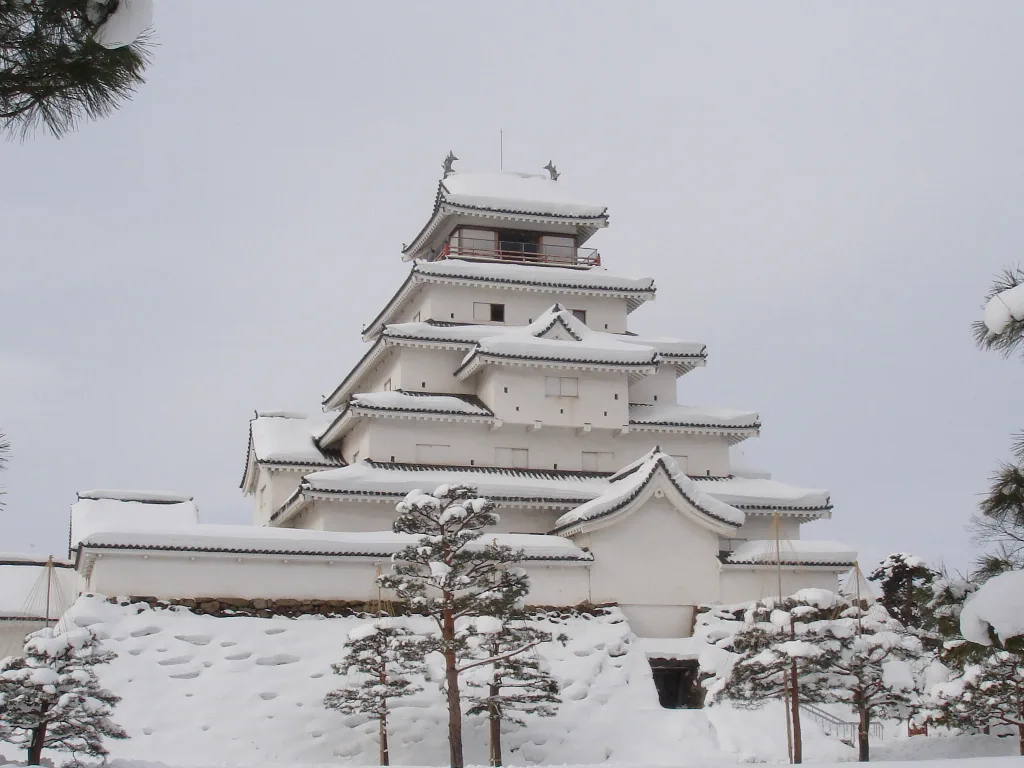
The castle and surrounding city remain key places for interpreting the siege of 1868 and its long afterlife in Aizu memory.
This classification is based on Aizu-Wakamatsu Tourism Bureau and Aizu-Wakamatsu Tourism Bureau. The evidence label describes the documented relationship between the story, person, history or cultural practice and the real place.
What the label does not claim
The label is not permission to reproduce copyrighted images, characters, dialogue or logos. It also does not turn every nearby street, building or community account into an officially designated location. Where evidence stops, SceneTrail Japan says so.
Read the place, not only the reference
Aizu-Wakamatsu is one of Japan’s clearest places for understanding how a historical narrative survives beyond a single monument. Tsurugajo, Iimoriyama, the Nisshinkan domain school story, lacquerware workshops and neighborhood streets together show how the Aizu identity was made and remembered.
Useful context includes The Boshin War and the siege of Tsurugajo; The Byakkotai story at Iimoriyama; Aizu lacquerware, painted candles and akabeko folk craft. These connections matter because they keep the visit rooted in the town rather than reducing it to a photograph or checklist.
Practical starting points
Open the places in visit order
These public places provide a practical route through the town. They are not all claimed as exact scene locations; the evidence statement above defines what is confirmed.
- 01Tsurugajo Castle and its history museumOpen in Google Maps ↗
- 02Iimoriyama and SazaedoOpen in Google Maps ↗
- 03Oyakuen medicinal gardenOpen in Google Maps ↗
- 04Nanokamachi streets and craft shopsOpen in Google Maps ↗
Plan the visit
From Tokyo, the most common public-transport route is the Tohoku Shinkansen to Koriyama, followed by the Ban-etsu West Line or a replacement/connecting service as advised by JR. Highway buses are another option.
The Haikara-san and Akabe loop buses connect the station with major central sights. Walking and rental cycles work for the center; winter conditions can change that calculation.
Open the complete Aizu-Wakamatsu guide →
Copyright and conduct
No frame grabs or character artwork are reproduced. Remain on public routes, keep entrances and traffic clear, follow venue photography rules and never enter private land to recreate a shot.
Check live transport and weather notices before departure. Historic sites, shrines and residential streets are shared community spaces: keep voices low, do not enter private property, and ask before photographing people. Iimoriyama is a memorial landscape; behave quietly and distinguish documented history from later romantic retellings.
Source register
Sources used for this page
Reconfirm changing information with the responsible organization before travel.
- Tsurugajo CastleAizu-Wakamatsu Tourism Bureau · Official tourism organization · checked 22 August 2026
- Stories from Aizu historyAizu-Wakamatsu Tourism Bureau · Official tourism organization · checked 22 August 2026