At a glance
5 days
Fukushima City · Date City · Aizu-Wakamatsu · Iwaki
3 stops or day blocks
Confirm rail, bus and walking links before booking
This is an editorial route framework, not a live timetable. Confirm operating days, reservations and the final connection before booking.
Why this sequence works
A realistic multi-base sampler—Nakadori first, Aizu second and Hamadori last—without pretending the prefecture is compact.
The route is ordered to protect time for the places themselves. It avoids treating Fukushima City, Date City, Aizu-Wakamatsu, Iwaki as interchangeable pins and keeps overnight decisions visible.
Day-by-day route
- Days 1–2: Fukushima City and Date
- Days 3–4: Aizu-Wakamatsu
- Day 5: Iwaki, with an extra night strongly recommended
What each stop contributes
Fukushima City
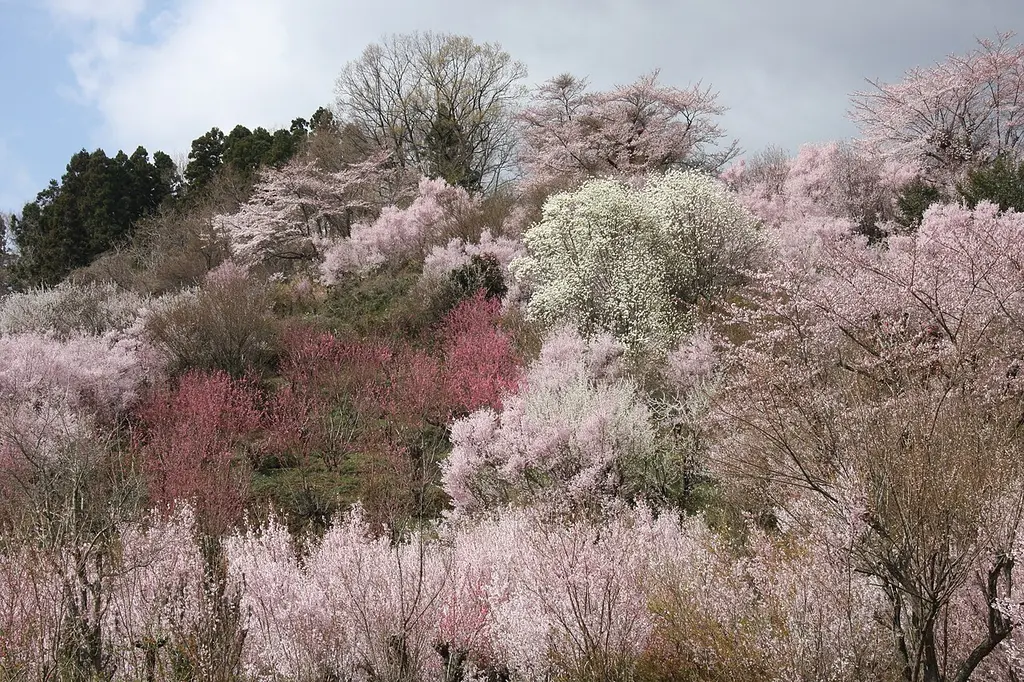
Fukushima City makes the northern prefecture practical. It is a transport base for Date and inland Tohoku, but it also has its own scene: composer Yuji Koseki, fruit-growing slopes, Hanamiyama and the long-lived bath culture of Iizaka, Tsuchiyu and Takayu.
- Yuji Koseki Memorial Hall
- Hanamiyama and the spring flower landscape
- Iizaka Onsen and its public baths
Date City
Date City in Fukushima is not simply a place with a famous surname. Yanagawa was a major medieval base for successive Date lords, while nearby Takako, Ryozen and Koori preserve other chapters in a regional story that later extended to Yonezawa and Sendai. The evidence is strongest when the wider historic Date district is treated as a network rather than forcing one modern municipality to own a single “birthplace.”
- Yanagawa Castle ruins and the restored Shinji-ike garden
- Takako-oka and the Takako Twenty Territories landscape
- Ryozen’s rocky ridges, temple history and hiking trails
Aizu-Wakamatsu
Aizu-Wakamatsu is one of Japan’s clearest places for understanding how a historical narrative survives beyond a single monument. Tsurugajo, Iimoriyama, the Nisshinkan domain school story, lacquerware workshops and neighborhood streets together show how the Aizu identity was made and remembered.
- Tsurugajo Castle and its history museum
- Iimoriyama and Sazaedo
- Oyakuen medicinal garden
Iwaki
Iwaki’s strongest story is change. The Joban coalfield supported the modern city; as mining declined, the hot-spring resort and its dancers became symbols of a different future. The film Hula Girls dramatized that transition, but visitors should begin with the documented local history rather than assume every film scene corresponds to a public location.
- Iwaki Coal and Fossil Museum Horuru
- Yumoto Onsen streets and public baths
- Spa Resort Hawaiians
Transport checklist by stop
Use these access notes to choose the right base and identify connections that need a fresh timetable check.
- Fukushima CityDirect Tohoku Shinkansen services connect Tokyo and Fukushima Station. From Sendai Airport, travel via Sendai Station and continue south by rail.Local movement: City buses serve central museums and Hanamiyama approaches; the Fukushima Kotsu Iizaka Line runs directly to Iizaka Onsen. Mountain onsen and seasonal nature areas require careful bus planning or a car.
- Date CityFrom Tokyo, take the Tohoku Shinkansen to Fukushima Station, then the Abukuma Express toward Yanagawa or Hobara. Allow roughly two hours to Fukushima before the local connection. Sendai Airport can also work via Sendai and the Tohoku rail corridor.Local movement: The Abukuma Express links the main northern settlements, but historic sites and trailheads are dispersed. Combine rail with local buses or a taxi; a car is useful for Ryozen and a broader clan-history circuit.
- Aizu-WakamatsuFrom Tokyo, the most common public-transport route is the Tohoku Shinkansen to Koriyama, followed by the Ban-etsu West Line or a replacement/connecting service as advised by JR. Highway buses are another option.Local movement: The Haikara-san and Akabe loop buses connect the station with major central sights. Walking and rental cycles work for the center; winter conditions can change that calculation.
- IwakiLimited-express trains on the JR Joban Line connect Tokyo with Iwaki and Yumoto. Fukushima Airport is geographically closer than Tokyo’s airports but has fewer onward public-transport options, so compare the full journey.Local movement: Iwaki is geographically large. Rail works for Iwaki, Yumoto and Izumi, while buses connect major attractions. A car greatly improves coastal and temple combinations.
Where to stay
Fukushima City: 1–2 days
Date City: 1 full day; 2 days with Ryozen, orchards or neighboring Koori
Aizu-Wakamatsu: 2 days; 3 with an onsen night or Ouchi-juku
Iwaki: 2 days
Season and weather
Fukushima City: April for flowers; summer and early autumn for fruit; winter for onsen.
Date City: Spring for walking and blossoms; autumn for hiking and fruit; early winter for anpo-gaki culture.
Aizu-Wakamatsu: Spring blossoms, green summer streets, autumn foliage and snow-season atmosphere all work; winter requires extra transfer time.
Iwaki: Year-round; summer for the coast, cooler months for museums and onsen.
Reservations and luggage
Reserve limited-express seats, popular accommodation and rural experiences when required. Use luggage forwarding or station lockers when a transfer day includes walking or buses.
Fallback plan
Protect the final train or bus first. In severe weather, remove the most remote stop rather than compressing every visit. Keep one indoor museum, craft or food option for each base.
Before committing
Recheck every long-distance and rural connection with the responsible operator. Closures, reservations, festival traffic and weather can reshape the route. Prices and operating times are intentionally not frozen into this page.
Source register
Sources used for this page
Reconfirm changing information with the responsible organization before travel.
- Fukushima TravelFukushima Prefecture Tourism and Local Products Association · Prefectural tourism organization · checked 22 August 2026
- Railway maps and travel informationJR East · Transport operator · checked 22 August 2026