At a glance
2 days
Iwaki is geographically large. Rail works for Iwaki, Yumoto and Izumi, while buses connect major attractions. A car greatly improves coastal and temple combinations.
Year-round; summer for the coast, cooler months for museums and onsen.
Core relationships are source-checked. Reconfirm transport and facility details before departure.
Why this town matters
Iwaki’s strongest story is change. The Joban coalfield supported the modern city; as mining declined, the hot-spring resort and its dancers became symbols of a different future. The film Hula Girls dramatized that transition, but visitors should begin with the documented local history rather than assume every film scene corresponds to a public location.
Works, people, history and culture
- The Joban coalfield and the communities built around it
- The hula culture that grew around the former Joban Hawaiian Center
- The film Hula Girls as a dramatization associated with that transition
What to see
- Iwaki Coal and Fossil Museum Horuru
- Yumoto Onsen streets and public baths
- Spa Resort Hawaiians
- Aquamarine Fukushima and Onahama port
- Shiramizu Amidado
See it now · Live video
Check current conditions
The Onahama waterfront and coastal conditions, alongside other cameras across Fukushima Prefecture.
Onahama and the Pacific coast
Useful for seeing the light, visibility and coastal weather around Iwaki before a waterfront visit.
- Camera operator
- Fukushima Central Television
- Checked
- 22 August 2026
This provider does not expose a verified stable direct stream, so its current-view page opens in a new tab. Availability, angle and update frequency can change. Use official weather, transport and emergency notices for decisions that affect safety.
Getting there
From Tokyo, major stations or airports
Limited-express trains on the JR Joban Line connect Tokyo with Iwaki and Yumoto. Fukushima Airport is geographically closer than Tokyo’s airports but has fewer onward public-transport options, so compare the full journey.
Getting around locally
Iwaki is geographically large. Rail works for Iwaki, Yumoto and Izumi, while buses connect major attractions. A car greatly improves coastal and temple combinations.
2 days
Year-round; summer for the coast, cooler months for museums and onsen.
Food, onsen and local culture
Seafood from the Pacific, sanma dishes, uni kaiyaki and local sweets sit alongside Yumoto’s bath culture. Verify current fishery and market information with official operators.
Connect neighboring towns
Spend one day around Yumoto’s coal-to-hula story and one around Onahama. Continue north on the Joban Line to Minamisoma for a deeper Hamadori route.
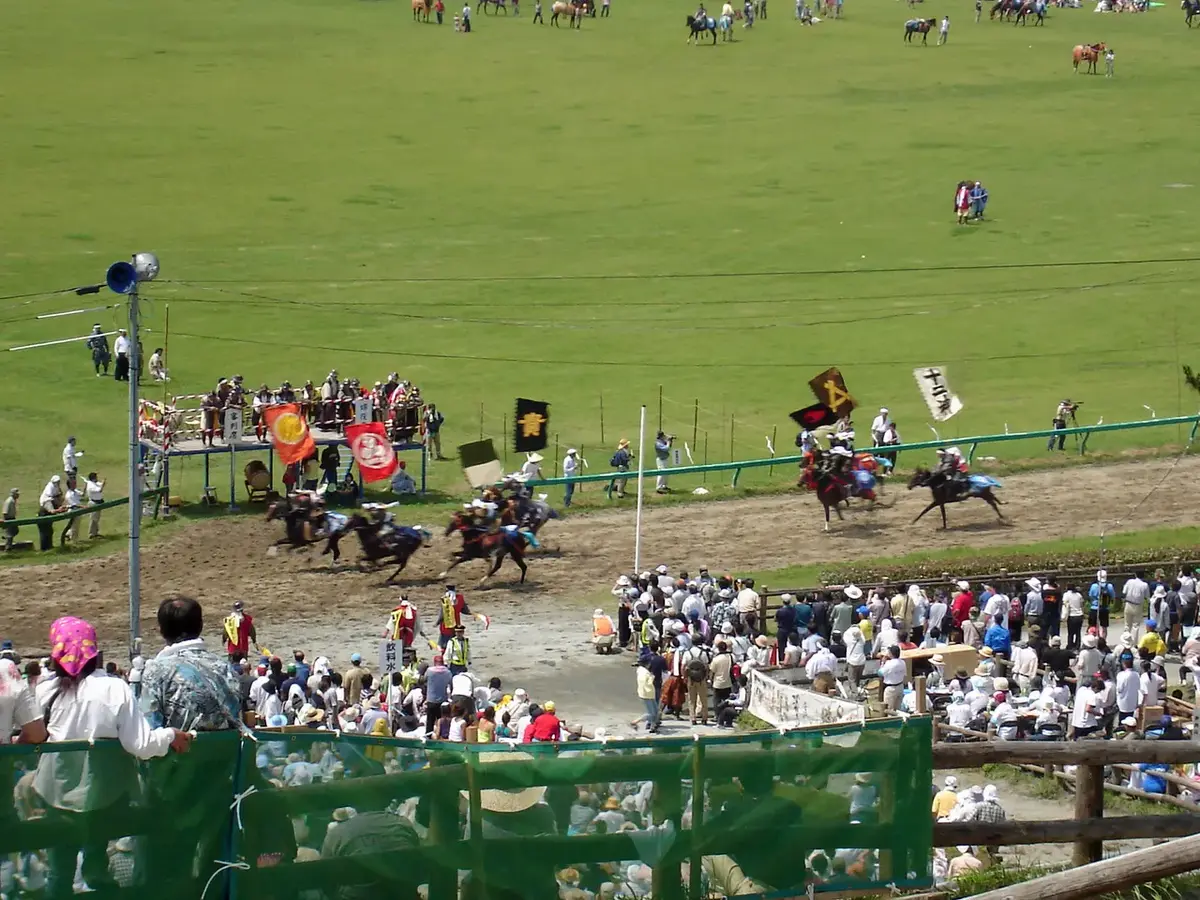

Coal, horses and the Pacific coast
Follow the Joban Line from Iwaki’s coal-to-hula story to Minamisoma’s living equestrian culture.
Iwaki · MinamisomaOpen route →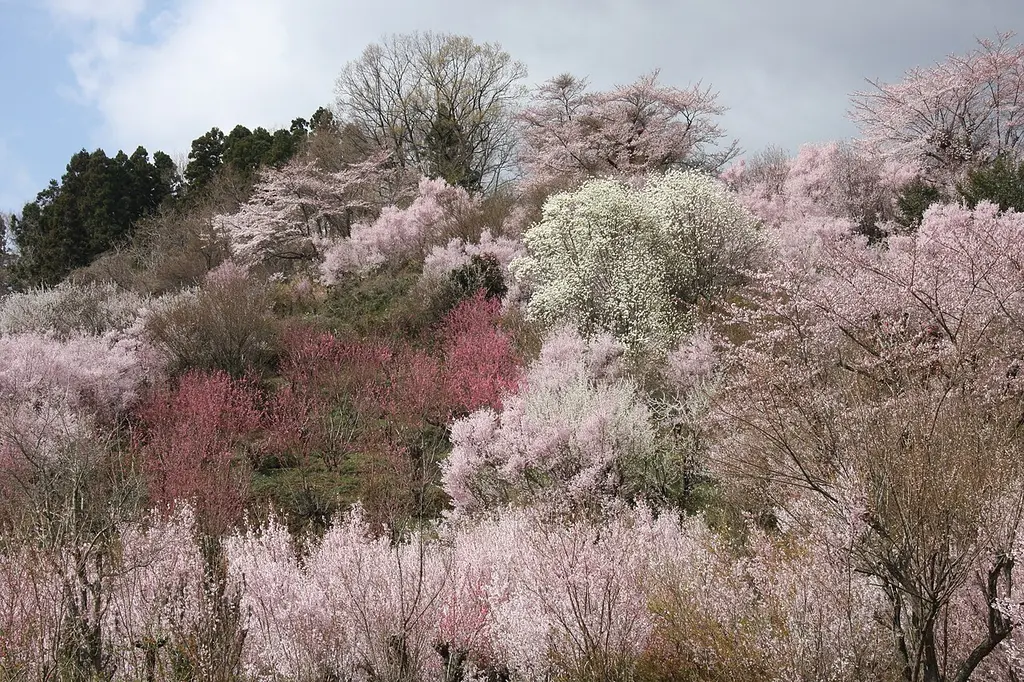

Fukushima’s three regions by rail
A realistic multi-base sampler—Nakadori first, Aizu second and Hamadori last—without pretending the prefecture is compact.
Fukushima City · Date City · Aizu-Wakamatsu · IwakiOpen route →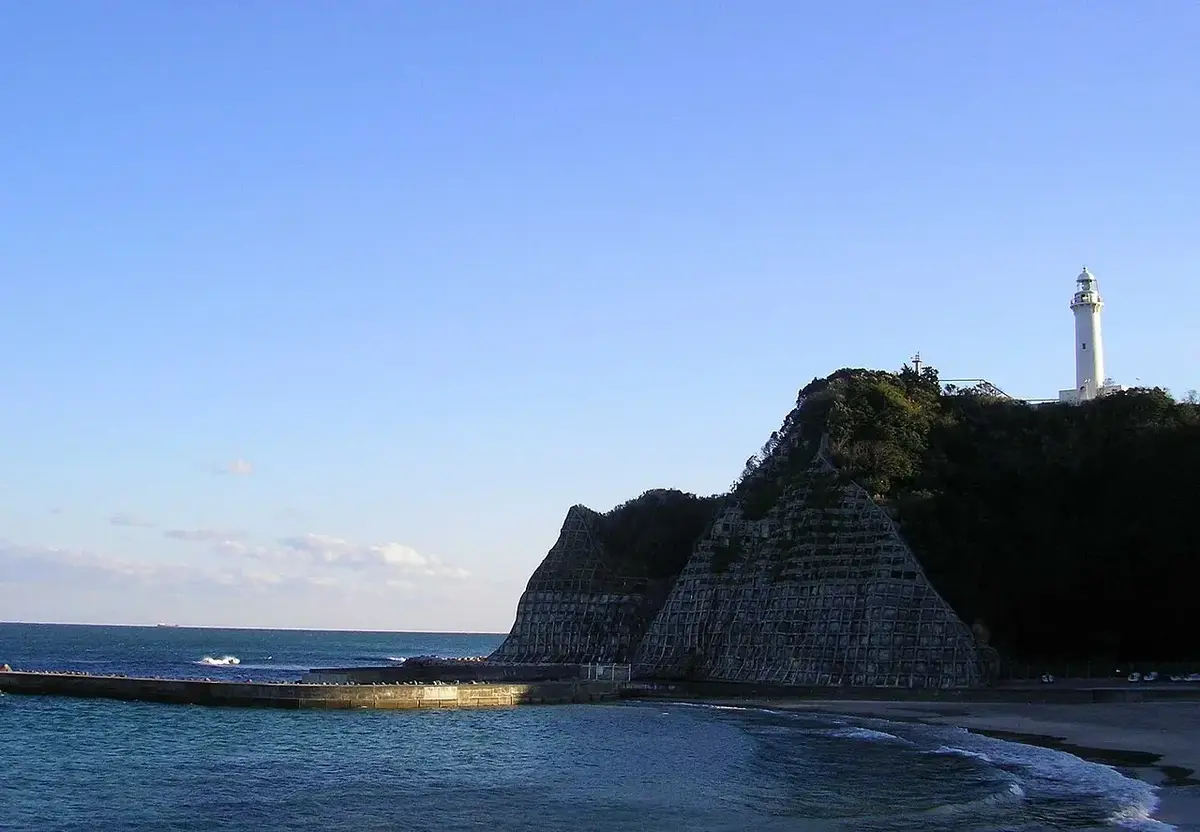

Iwaki coal history and Pacific coast
Connect Yumoto’s coal-to-hula history with one coastal stop, using rail and a deliberately limited bus plan.
IwakiOpen route →Etiquette and safety
Check live transport and weather notices before departure. Historic sites, shrines and residential streets are shared community spaces: keep voices low, do not enter private property, and ask before photographing people. Coastal weather, earthquakes and tsunami guidance matter here; note evacuation signs and follow official alerts.
Questions before you choose Iwaki
How much time should I allow?
2 days. This is the practical minimum for seeing the town without turning transport into the main activity.
Can I visit without a car?
Iwaki is geographically large. Rail works for Iwaki, Yumoto and Izumi, while buses connect major attractions. A car greatly improves coastal and temple combinations.
When is the best time to go?
Year-round; summer for the coast, cooler months for museums and onsen.
Information checked: 22 August 2026
Source register
Sources used for this page
Reconfirm changing information with the responsible organization before travel.
- Iwaki city profile and Hula CityIwaki City · Municipality · checked 22 August 2026
- Five-minute guide to Hula City IwakiIwaki City Tourism and Community Development Bureau · Official tourism organization · checked 22 August 2026
- Iwaki Coal and Fossil Museum HoruruIwaki City Tourism and Community Development Bureau · Official tourism organization · checked 22 August 2026
- Railway maps and travel informationJR East · Transport operator · checked 22 August 2026