At a glance
2 days
Hakone
2 stops or day blocks
Confirm rail, bus and walking links before booking
This is an editorial route framework, not a live timetable. Confirm operating days, reservations and the final connection before booking.
Why this sequence works
Build the transport loop around an overnight stay so weather, museums and the lake do not become a race against the final bus.
The route is ordered to protect time for the places themselves. It avoids treating Hakone as interchangeable pins and keeps overnight decisions visible.
Day-by-day route
- Day 1: Hakone-Yumoto, Gora and one museum before the ryokan
- Day 2: Owakudani if open, Lake Ashi, checkpoint and return via the practical rail gateway
What each stop contributes
Hakone
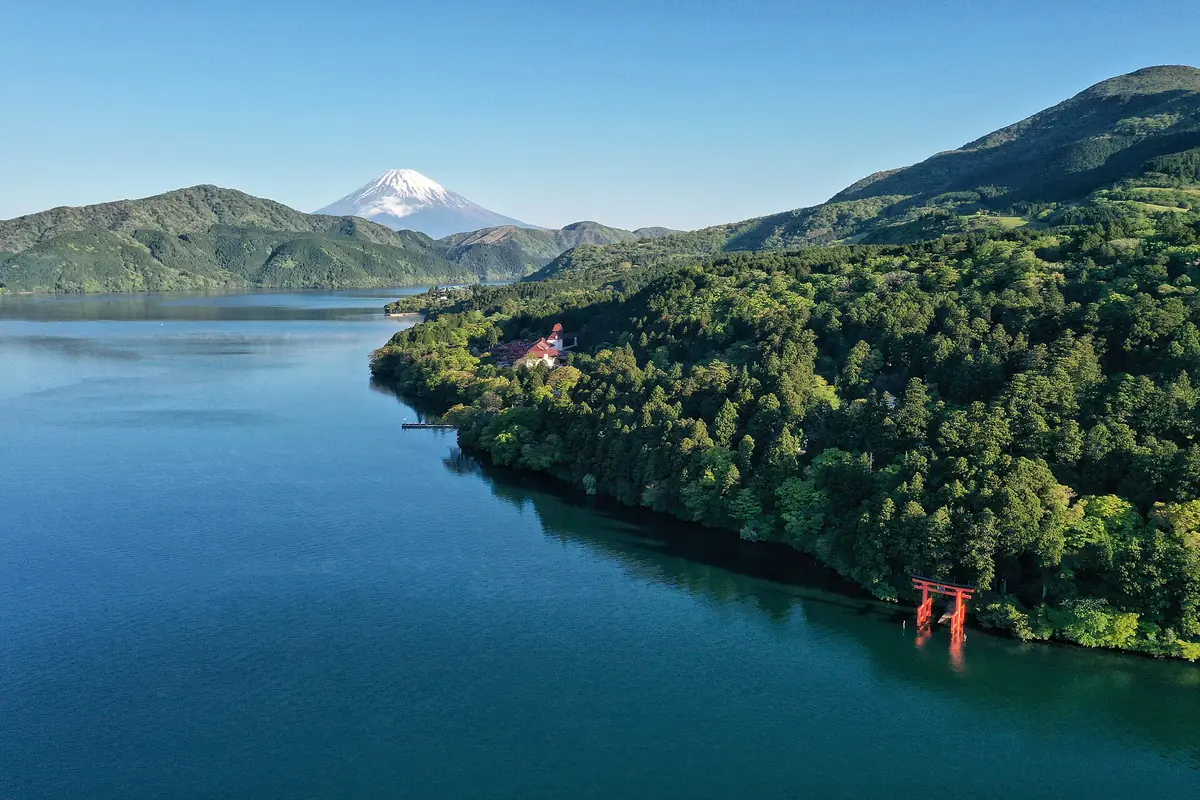
Hakone is not one compact station. It is a caldera town made of valleys, ridges, lake settlements, museums and onsen districts linked by trains, buses, cable cars, ropeway and boats. Reading the transport geography first prevents the classic mistake of booking a beautiful ryokan far from the sights you expect to visit.
- Hakone-Yumoto and an onsen stay
- Open-Air Museum or the museums of Sengokuhara
- Owakudani when access is permitted
Transport checklist by stop
Use these access notes to choose the right base and identify connections that need a fresh timetable check.
- HakoneUse the Odakyu route from Shinjuku or take the Tokaido Shinkansen or conventional rail to Odawara, then transfer into the Hakone transport network. Compare passes against your actual itinerary rather than buying automatically.Local movement: The familiar loop combines train, cable car, ropeway, boat and bus, but weather or maintenance can break the sequence. Build a route around your accommodation and keep a bus alternative. Luggage forwarding can make arrival and departure days easier.
Where to stay
Hakone: 2 days; 3 for museums, hiking or a slower ryokan stay
Season and weather
Hakone: Year-round; spring and autumn are busiest, summer can be humid and winter offers clearer views with possible ice or snow.
Reservations and luggage
Reserve limited-express seats, popular accommodation and rural experiences when required. Use luggage forwarding or station lockers when a transfer day includes walking or buses.
Fallback plan
Protect the final train or bus first. In severe weather, remove the most remote stop rather than compressing every visit. Keep one indoor museum, craft or food option for each base.
Before committing
Recheck every long-distance and rural connection with the responsible operator. Closures, reservations, festival traffic and weather can reshape the route. Prices and operating times are intentionally not frozen into this page.
Source register
Sources used for this page
Reconfirm changing information with the responsible organization before travel.
- Official Hakone visitor guideOdakyu Hakone Group · Official transport and visitor guide · checked 22 August 2026
- Transportation in HakoneOdakyu Hakone Group · Official transport operator · checked 22 August 2026