At a glance
2 days; 3 for museums, hiking or a slower ryokan stay
The familiar loop combines train, cable car, ropeway, boat and bus, but weather or maintenance can break the sequence. Build a route around your accommodation and keep a bus alternative. Luggage forwarding can make arrival and departure days easier.
Year-round; spring and autumn are busiest, summer can be humid and winter offers clearer views with possible ice or snow.
Core relationships are source-checked. Reconfirm transport and facility details before departure.
Why this town matters
Hakone is not one compact station. It is a caldera town made of valleys, ridges, lake settlements, museums and onsen districts linked by trains, buses, cable cars, ropeway and boats. Reading the transport geography first prevents the classic mistake of booking a beautiful ryokan far from the sights you expect to visit.
Works, people, history and culture
- Hakone Sekisho and the controlled movement of travelers on the Edo-period Tokaido
- Owakudani, hot springs and the living volcanic system
- Lake Ashi, Hakone Shrine and sacred mountain views
- Modern resort culture and a concentration of art museums
What to see
- Hakone-Yumoto and an onsen stay
- Open-Air Museum or the museums of Sengokuhara
- Owakudani when access is permitted
- Lake Ashi and Hakone Sekisho
- A preserved section of the old Tokaido
See it now · Live video
Check current conditions
Hakone-Yumoto, Hakone Pass, the Sengokuhara area, Lake Ashi and the summit of Mt Kintoki.
Hakone weather and transport gateways
A useful visual cross-check across a destination where weather and elevation can vary substantially.
- Camera operator
- Hakone Tourist Association
- Checked
- 22 August 2026
This provider does not expose a verified stable direct stream, so its current-view page opens in a new tab. Availability, angle and update frequency can change. Use official weather, transport and emergency notices for decisions that affect safety.
Getting there
From Tokyo, major stations or airports
Use the Odakyu route from Shinjuku or take the Tokaido Shinkansen or conventional rail to Odawara, then transfer into the Hakone transport network. Compare passes against your actual itinerary rather than buying automatically.
Getting around locally
The familiar loop combines train, cable car, ropeway, boat and bus, but weather or maintenance can break the sequence. Build a route around your accommodation and keep a bus alternative. Luggage forwarding can make arrival and departure days easier.
2 days; 3 for museums, hiking or a slower ryokan stay
Year-round; spring and autumn are busiest, summer can be humid and winter offers clearer views with possible ice or snow.
Food, onsen and local culture
Onsen etiquette matters more than collecting baths. Yosegi marquetry, soba, black eggs at Owakudani and ryokan meals connect craft, geology and the resort economy.
Connect neighboring towns
Use one day for Gora, museums and the volcanic ridge, then one for Lake Ashi, the checkpoint and an onsen district. Continue through Odawara or Mishima according to the next destination.
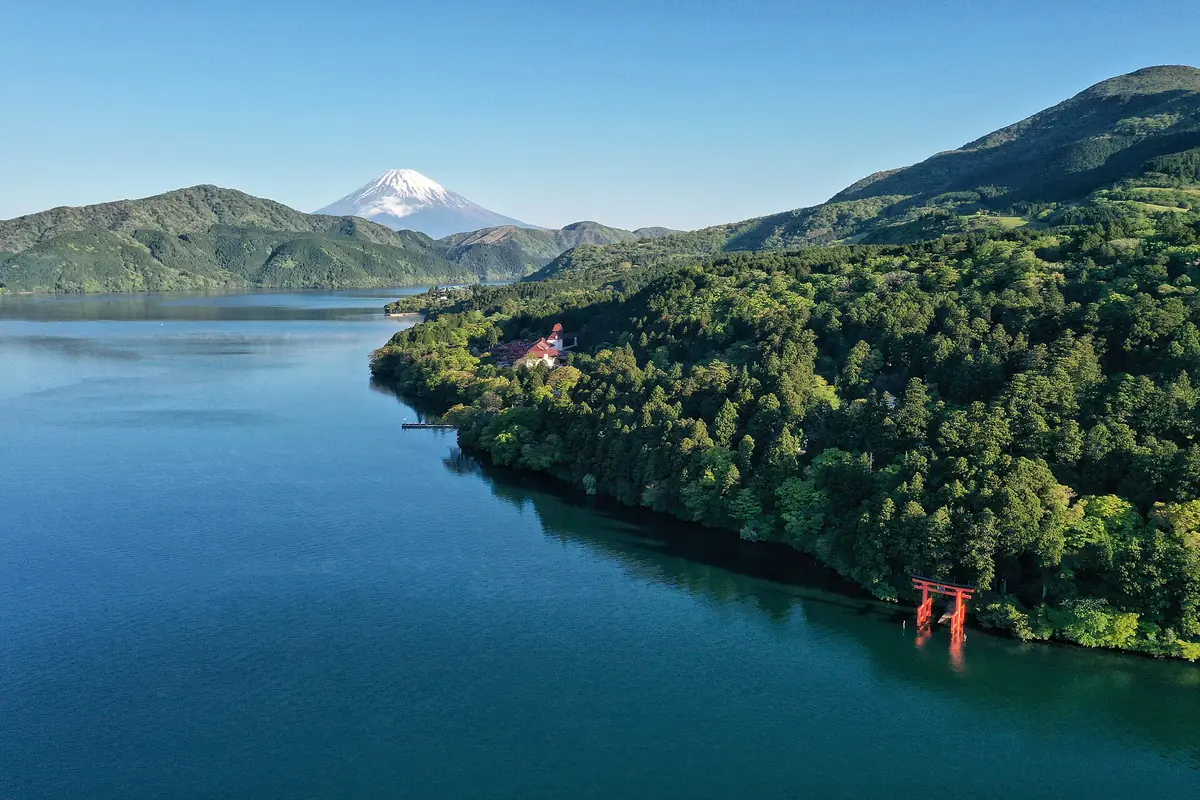

Hakone volcano, art and onsen
Build the transport loop around an overnight stay so weather, museums and the lake do not become a race against the final bus.
HakoneOpen route →Etiquette and safety
Check official opening, weather and transport notices before departure. Temples, shrines, museums, historic streets and residential lanes are shared community spaces: keep routes clear, follow photography rules and never enter private property. Follow volcanic gas, ropeway and trail restrictions. Owakudani may be unsuitable for people with respiratory or heart conditions; use official guidance.
Questions before you choose Hakone
How much time should I allow?
2 days; 3 for museums, hiking or a slower ryokan stay. This is the practical minimum for seeing the town without turning transport into the main activity.
Can I visit without a car?
The familiar loop combines train, cable car, ropeway, boat and bus, but weather or maintenance can break the sequence. Build a route around your accommodation and keep a bus alternative. Luggage forwarding can make arrival and departure days easier.
When is the best time to go?
Year-round; spring and autumn are busiest, summer can be humid and winter offers clearer views with possible ice or snow.
Information checked: 22 August 2026
Source register
Sources used for this page
Reconfirm changing information with the responsible organization before travel.
- Official Hakone visitor guideOdakyu Hakone Group · Official transport and visitor guide · checked 22 August 2026
- Transportation in HakoneOdakyu Hakone Group · Official transport operator · checked 22 August 2026
- Responsible travel in JapanJapan National Tourism Organization · National tourism organization · checked 22 August 2026