A municipality, tourism body, rights holder, museum or other responsible organization confirms the relationship.
What the evidence establishes
Hakone’s checkpoint, hot springs, volcanic ridge and lake show how travel history and geology shaped the same mountain corridor.
This classification is based on Odakyu Hakone Group and Odakyu Hakone Group. The evidence label describes the documented relationship between the story, person, history or cultural practice and the real place.
What the label does not claim
The label is not permission to reproduce copyrighted images, characters, dialogue or logos. It also does not turn every nearby street, building or community account into an officially designated location. Where evidence stops, SceneTrail Japan says so.
Read the place, not only the reference
Hakone is not one compact station. It is a caldera town made of valleys, ridges, lake settlements, museums and onsen districts linked by trains, buses, cable cars, ropeway and boats. Reading the transport geography first prevents the classic mistake of booking a beautiful ryokan far from the sights you expect to visit.
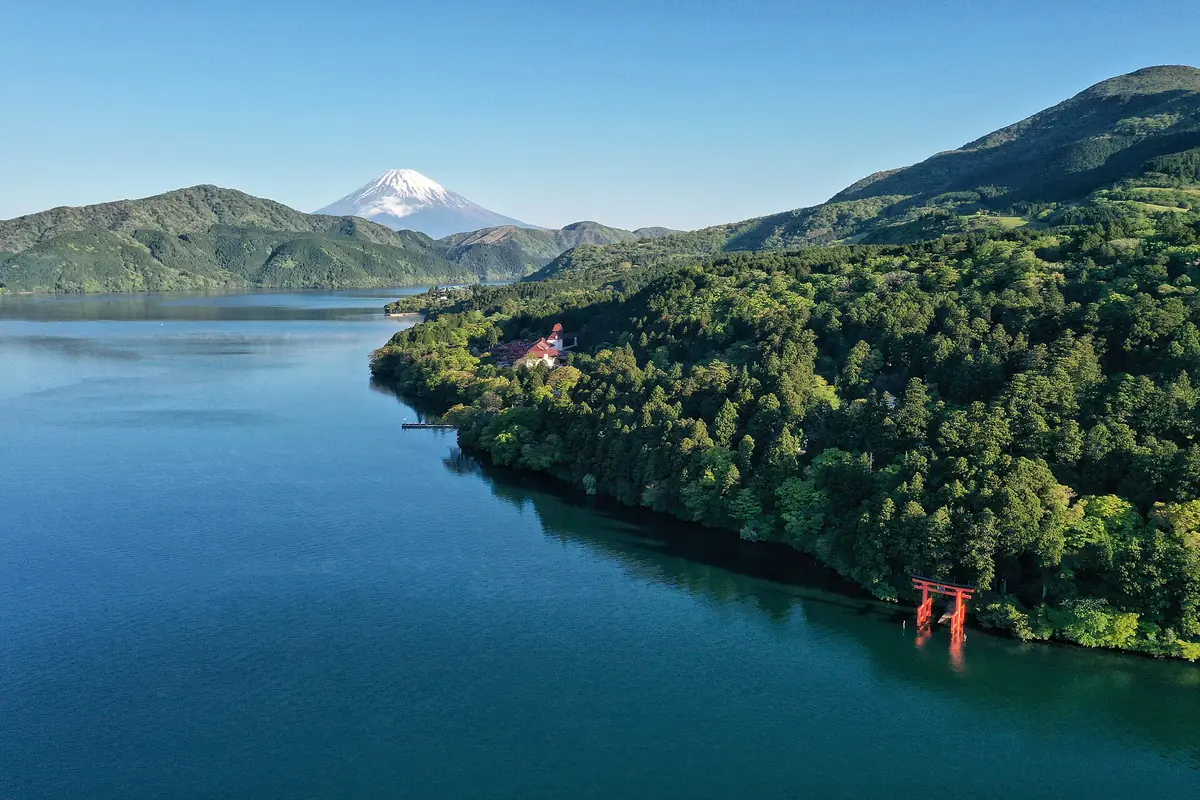
Useful context includes Hakone Sekisho and the controlled movement of travelers on the Edo-period Tokaido; Owakudani, hot springs and the living volcanic system; Lake Ashi, Hakone Shrine and sacred mountain views. These connections matter because they keep the visit rooted in the town rather than reducing it to a photograph or checklist.
Practical starting points
Open the places in visit order
These public places provide a practical route through the town. They are not all claimed as exact scene locations; the evidence statement above defines what is confirmed.
- 01Hakone-Yumoto and an onsen stayOpen in Google Maps ↗
- 02Open-Air Museum or the museums of SengokuharaOpen in Google Maps ↗
- 03Owakudani when access is permittedOpen in Google Maps ↗
- 04Lake Ashi and Hakone SekishoOpen in Google Maps ↗
Plan the visit
Use the Odakyu route from Shinjuku or take the Tokaido Shinkansen or conventional rail to Odawara, then transfer into the Hakone transport network. Compare passes against your actual itinerary rather than buying automatically.
The familiar loop combines train, cable car, ropeway, boat and bus, but weather or maintenance can break the sequence. Build a route around your accommodation and keep a bus alternative. Luggage forwarding can make arrival and departure days easier.
Open the complete Hakone guide →
Copyright and conduct
No frame grabs or character artwork are reproduced. Remain on public routes, keep entrances and traffic clear, follow venue photography rules and never enter private land to recreate a shot.
Check official opening, weather and transport notices before departure. Temples, shrines, museums, historic streets and residential lanes are shared community spaces: keep routes clear, follow photography rules and never enter private property. Follow volcanic gas, ropeway and trail restrictions. Owakudani may be unsuitable for people with respiratory or heart conditions; use official guidance.
Source register
Sources used for this page
Reconfirm changing information with the responsible organization before travel.
- Official Hakone visitor guideOdakyu Hakone Group · Official transport and visitor guide · checked 22 August 2026
- Transportation in HakoneOdakyu Hakone Group · Official transport operator · checked 22 August 2026