At a glance
1–2 days
Tono
3 stops or day blocks
Confirm rail, bus and walking links before booking
This is an editorial route framework, not a live timetable. Confirm operating days, reservations and the final connection before booking.
Why this sequence works
Start with the museum’s evidence, then move into the rural landscape that shaped the stories.
The route is ordered to protect time for the places themselves. It avoids treating Tono as interchangeable pins and keeps overnight decisions visible.
Day-by-day route
- Morning: Tono Municipal Museum and castle-town streets
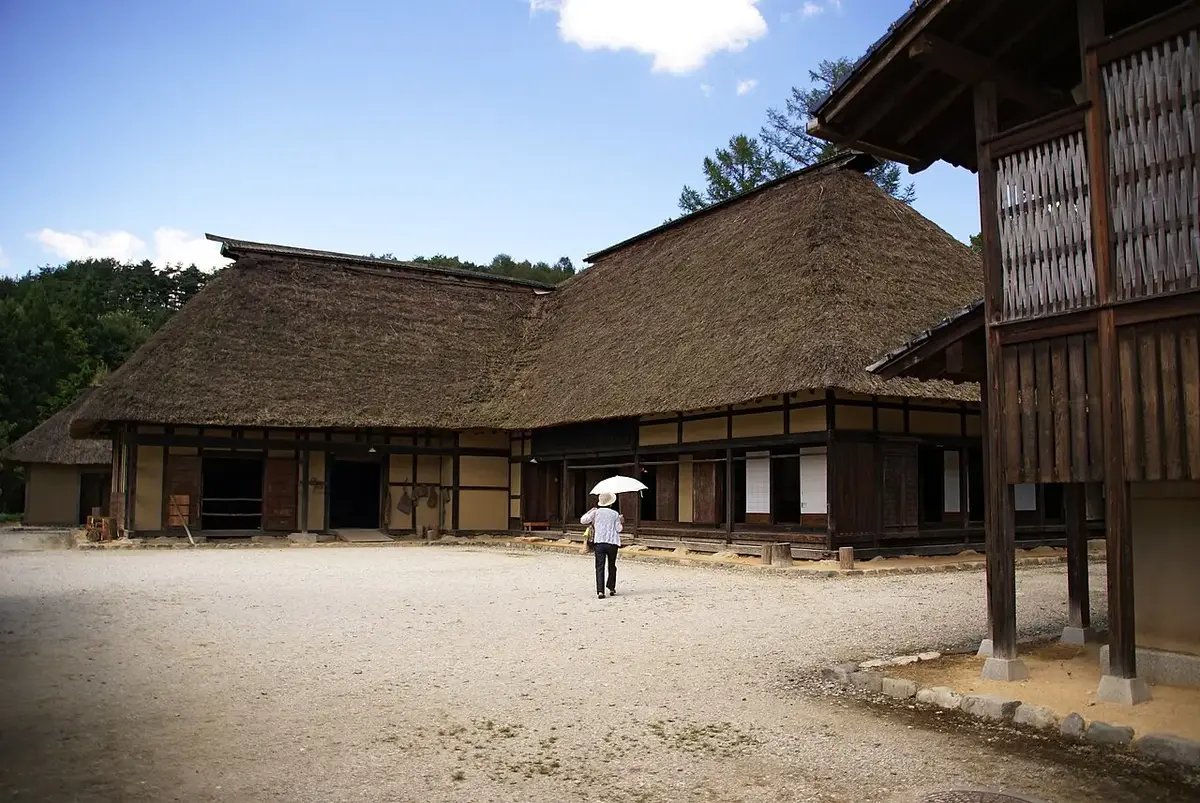
- Afternoon: Denshoen and Kappa-buchi
- Optional second day: Miyamori or a guided folklore program
What each stop contributes
Tono
Tono is the site’s clearest example of literature leading to a real, lesser-known town. The Legends of Tono grew from stories told by local scholar Kizen Sasaki to Kunio Yanagita; the museum now interprets the work as a meeting point of mountain, village and town life rather than a catalogue of supernatural curiosities.
- Tono Municipal Museum
- Tono Castle Town Museum and Takamuro Suikoen
- Kappa-buchi and Jokenji Temple
Transport checklist by stop
Use these access notes to choose the right base and identify connections that need a fresh timetable check.
- TonoReach Tono by JR Kamaishi Line from Hanamaki or Shin-Hanamaki. Connections are infrequent compared with urban Japan; build the day around the railway timetable.Local movement: The compact museum district is walkable. Kappa-buchi, Denshoen and rural sites are better by bicycle, seasonal visitor transport, taxi or car.
Where to stay
Tono: 1–2 days
Season and weather
Tono: Late spring through autumn for rural cycling; winter for atmosphere only with weather-ready planning.
Reservations and luggage
Reserve limited-express seats, popular accommodation and rural experiences when required. Use luggage forwarding or station lockers when a transfer day includes walking or buses.
Fallback plan
Protect the final train or bus first. In severe weather, remove the most remote stop rather than compressing every visit. Keep one indoor museum, craft or food option for each base.
Before committing
Recheck every long-distance and rural connection with the responsible operator. Closures, reservations, festival traffic and weather can reshape the route. Prices and operating times are intentionally not frozen into this page.
Source register
Sources used for this page
Reconfirm changing information with the responsible organization before travel.
- Tono Municipal MuseumTono City · Municipal museum · checked 22 August 2026
- Travel TonoTono Tourism Association · Official tourism organization · checked 22 August 2026