At a glance
1–2 days
The compact museum district is walkable. Kappa-buchi, Denshoen and rural sites are better by bicycle, seasonal visitor transport, taxi or car.
Late spring through autumn for rural cycling; winter for atmosphere only with weather-ready planning.
Core relationships are source-checked. Reconfirm transport and facility details before departure.
Why this town matters
Tono is the site’s clearest example of literature leading to a real, lesser-known town. The Legends of Tono grew from stories told by local scholar Kizen Sasaki to Kunio Yanagita; the museum now interprets the work as a meeting point of mountain, village and town life rather than a catalogue of supernatural curiosities.
Works, people, history and culture
- The Legends of Tono by Kunio Yanagita
- Kizen Sasaki and the oral traditions behind the text
- Kappa, oshirasama, zashiki-warashi and the culture of horse-rearing
What to see
- Tono Municipal Museum
- Tono Castle Town Museum and Takamuro Suikoen
- Kappa-buchi and Jokenji Temple
- Denshoen and the Chiba family farmhouse landscape
See it now · Updated images
Check current conditions
Nabekura Observatory, Kappa-buchi, Megane Bridge and Roadside Station Tono Kaze-no-Oka.
Tono landscapes and story sites
A practical visual check of town, folklore and rural sites spread across the Tono landscape.
- Camera operator
- Tono Cable Television
- Checked
- 22 August 2026
This provider does not expose a verified stable direct stream, so its current-view page opens in a new tab. Availability, angle and update frequency can change. Use official weather, transport and emergency notices for decisions that affect safety.
Getting there
From Tokyo, major stations or airports
Reach Tono by JR Kamaishi Line from Hanamaki or Shin-Hanamaki. Connections are infrequent compared with urban Japan; build the day around the railway timetable.
Getting around locally
The compact museum district is walkable. Kappa-buchi, Denshoen and rural sites are better by bicycle, seasonal visitor transport, taxi or car.
1–2 days
Late spring through autumn for rural cycling; winter for atmosphere only with weather-ready planning.
Food, onsen and local culture
Jingisukan-style grilled lamb, doburoku traditions, horses and seasonal farm culture help place the stories in everyday life. Stay locally if you want the landscape after day visitors leave.
Connect neighboring towns
Link the museum district with Denshoen and Kappa-buchi in one day. A second day can explore Miyamori or continue by rail toward Kamaishi.
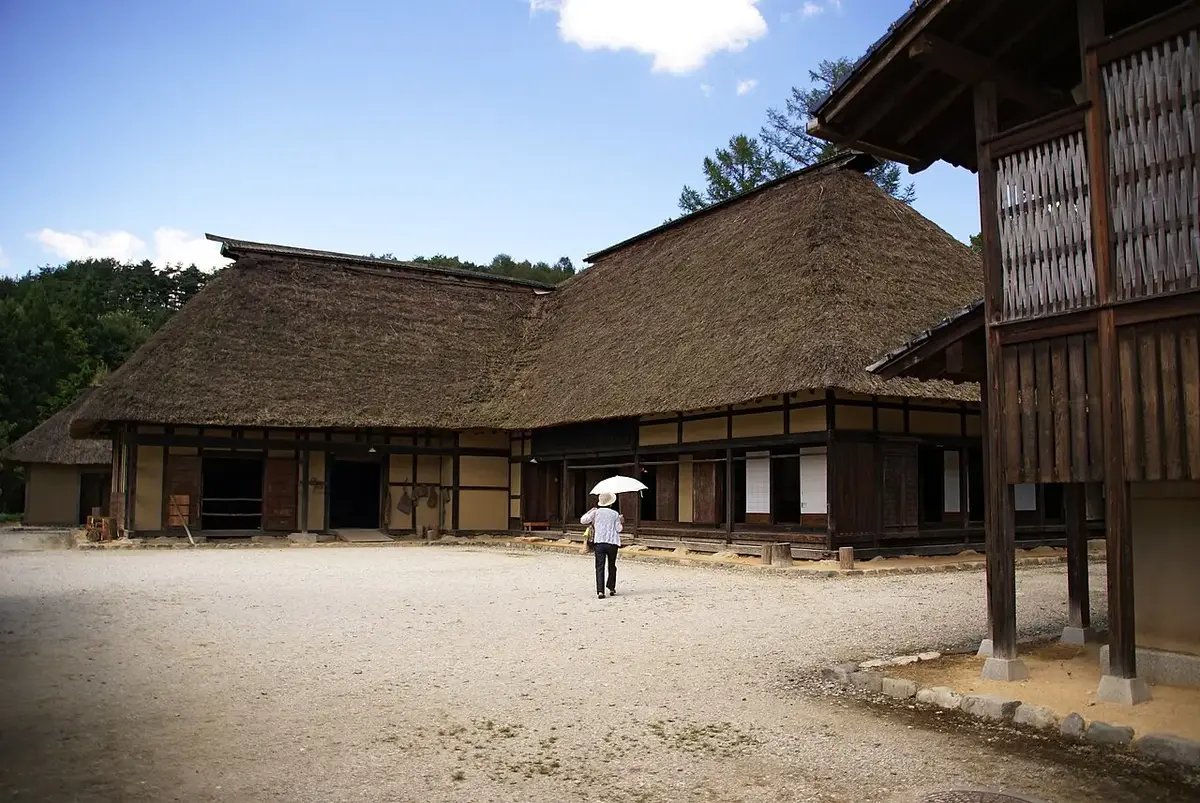

Tono stories by bicycle
Start with the museum’s evidence, then move into the rural landscape that shaped the stories.
TonoOpen route →Etiquette and safety
Check live transport and weather notices before departure. Historic sites, shrines and residential streets are shared community spaces: keep voices low, do not enter private property, and ask before photographing people. Folklore sites may adjoin temples, farms and waterways. Do not enter fields or treat local beliefs as costumes or jokes.
Questions before you choose Tono
How much time should I allow?
1–2 days. This is the practical minimum for seeing the town without turning transport into the main activity.
Can I visit without a car?
The compact museum district is walkable. Kappa-buchi, Denshoen and rural sites are better by bicycle, seasonal visitor transport, taxi or car.
When is the best time to go?
Late spring through autumn for rural cycling; winter for atmosphere only with weather-ready planning.
Information checked: 22 August 2026
Source register
Sources used for this page
Reconfirm changing information with the responsible organization before travel.
- Tono Municipal MuseumTono City · Municipal museum · checked 22 August 2026
- Travel TonoTono Tourism Association · Official tourism organization · checked 22 August 2026
- Railway maps and travel informationJR East · Transport operator · checked 22 August 2026
- Responsible travel in JapanJapan National Tourism Organization · National tourism organization · checked 22 August 2026