A municipality, tourism body, rights holder, museum or other responsible organization confirms the relationship.
What the evidence establishes
Museum interpretation connects Yanagita’s text and Sasaki’s stories with the real mountain, village and town landscape.
This classification is based on Tono City and Tono Tourism Association. The evidence label describes the documented relationship between the story, person, history or cultural practice and the real place.
What the label does not claim
The label is not permission to reproduce copyrighted images, characters, dialogue or logos. It also does not turn every nearby street, building or community account into an officially designated location. Where evidence stops, SceneTrail Japan says so.
Read the place, not only the reference
Tono is the site’s clearest example of literature leading to a real, lesser-known town. The Legends of Tono grew from stories told by local scholar Kizen Sasaki to Kunio Yanagita; the museum now interprets the work as a meeting point of mountain, village and town life rather than a catalogue of supernatural curiosities.
Useful context includes The Legends of Tono by Kunio Yanagita; Kizen Sasaki and the oral traditions behind the text; Kappa, oshirasama, zashiki-warashi and the culture of horse-rearing. These connections matter because they keep the visit rooted in the town rather than reducing it to a photograph or checklist.
Practical starting points
Open the places in visit order
These public places provide a practical route through the town. They are not all claimed as exact scene locations; the evidence statement above defines what is confirmed.
- 01Tono Municipal MuseumOpen in Google Maps ↗
- 02Tono Castle Town Museum and Takamuro SuikoenOpen in Google Maps ↗
- 03Kappa-buchi and Jokenji TempleOpen in Google Maps ↗
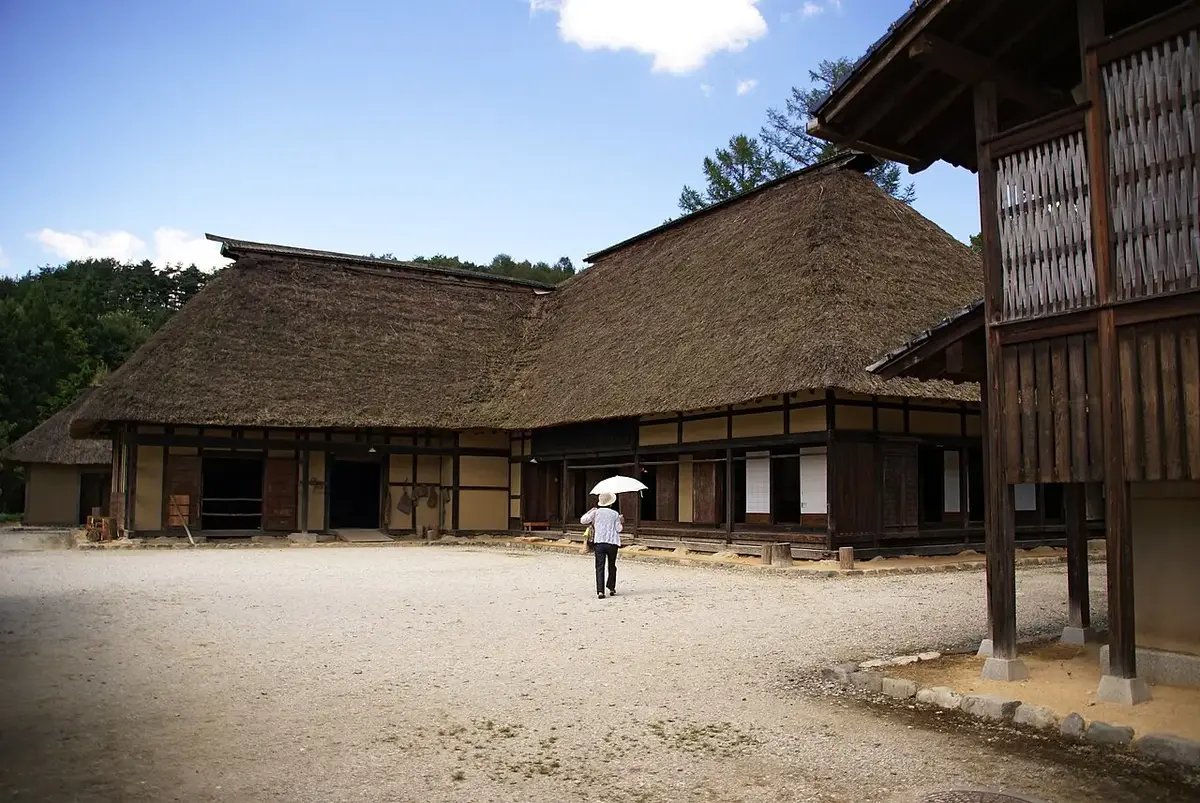
- 04Denshoen and the Chiba family farmhouse landscapeOpen in Google Maps ↗
Plan the visit
Reach Tono by JR Kamaishi Line from Hanamaki or Shin-Hanamaki. Connections are infrequent compared with urban Japan; build the day around the railway timetable.
The compact museum district is walkable. Kappa-buchi, Denshoen and rural sites are better by bicycle, seasonal visitor transport, taxi or car.
Open the complete Tono guide →
Copyright and conduct
No frame grabs or character artwork are reproduced. Remain on public routes, keep entrances and traffic clear, follow venue photography rules and never enter private land to recreate a shot.
Check live transport and weather notices before departure. Historic sites, shrines and residential streets are shared community spaces: keep voices low, do not enter private property, and ask before photographing people. Folklore sites may adjoin temples, farms and waterways. Do not enter fields or treat local beliefs as costumes or jokes.
Source register
Sources used for this page
Reconfirm changing information with the responsible organization before travel.
- Tono Municipal MuseumTono City · Municipal museum · checked 22 August 2026
- Travel TonoTono Tourism Association · Official tourism organization · checked 22 August 2026