A municipality, tourism body, rights holder, museum or other responsible organization confirms the relationship.
What the evidence establishes
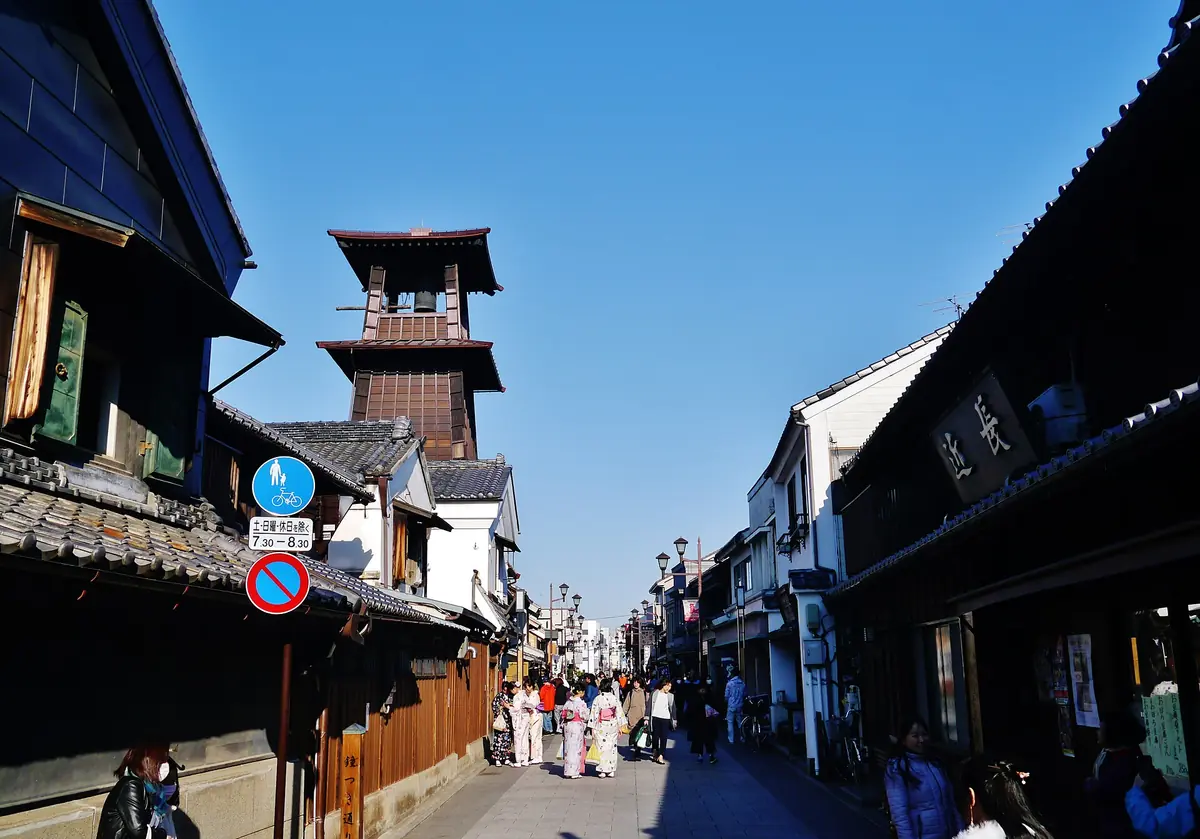
Kawagoe’s castle, fire-resistant storehouses and festival neighborhoods explain the economic relationship behind the Little Edo label.
This classification is based on Koedo Kawagoe Tourism Association and Japan National Tourism Organization. The evidence label describes the documented relationship between the story, person, history or cultural practice and the real place.
What the label does not claim
The label is not permission to reproduce copyrighted images, characters, dialogue or logos. It also does not turn every nearby street, building or community account into an officially designated location. Where evidence stops, SceneTrail Japan says so.
Read the place, not only the reference
The label Little Edo is useful only when it leads beyond costume nostalgia. Kawagoe’s value lies in the commercial ties that linked it to Edo, the kura buildings rebuilt after major fires, the remaining castle structures and a festival culture organized by local neighborhoods.
Useful context includes Kawagoe Castle and the city’s strategic relationship with Edo; Kurazukuri storehouses and the merchant response to urban fire; Kawagoe Hikawa Festival, floats and neighborhood performance. These connections matter because they keep the visit rooted in the town rather than reducing it to a photograph or checklist.
Practical starting points
Open the places in visit order
These public places provide a practical route through the town. They are not all claimed as exact scene locations; the evidence statement above defines what is confirmed.
- 01Kurazukuri Street and Toki no KaneOpen in Google Maps ↗
- 02Kawagoe Castle Honmaru GotenOpen in Google Maps ↗
- 03Kita-in and its historic precinctOpen in Google Maps ↗
- 04Kawagoe Festival MuseumOpen in Google Maps ↗
Plan the visit
Tobu trains from Ikebukuro, Seibu trains from Shinjuku and JR services all reach different Kawagoe stations. Choose the arrival station around your Tokyo base and the walking route you intend to follow.
The historic core is walkable but sits north of the largest stations. Local buses and share cycles reduce backtracking. Weekend roads around Ichibangai are crowded, so rail plus walking is generally easier than driving.
Open the complete Kawagoe guide →
Copyright and conduct
No frame grabs or character artwork are reproduced. Remain on public routes, keep entrances and traffic clear, follow venue photography rules and never enter private land to recreate a shot.
Check official opening, weather and transport notices before departure. Temples, shrines, museums, historic streets and residential lanes are shared community spaces: keep routes clear, follow photography rules and never enter private property. Pavements are narrow beside active traffic. Do not step into the road for photographs, and follow crowd controls during the festival.
Source register
Sources used for this page
Reconfirm changing information with the responsible organization before travel.
- Koedo Kawagoe official visitor guideKoedo Kawagoe Tourism Association · Official tourism organization · checked 22 August 2026
- Kawagoe Warehouse DistrictJapan National Tourism Organization · National tourism organization · checked 22 August 2026