A municipality, tourism body, rights holder, museum or other responsible organization confirms the relationship.
What the evidence establishes
The city’s official interpretation connects its hills, temples and coast with the formation of the Kamakura shogunate.
This classification is based on Kamakura City Tourist Association and Kamakura City Tourist Association. The evidence label describes the documented relationship between the story, person, history or cultural practice and the real place.
What the label does not claim
The label is not permission to reproduce copyrighted images, characters, dialogue or logos. It also does not turn every nearby street, building or community account into an officially designated location. Where evidence stops, SceneTrail Japan says so.
Read the place, not only the reference
Kamakura is famous, but it belongs here because the landscape explains the emergence of Japan’s first samurai government. The surrounding hills, temple network and coast show why political history cannot be separated from geography.
Useful context includes Minamoto no Yoritomo and the Kamakura shogunate; Hojo regents and the development of samurai government; Zen temples, sculpture and Kamakurabori craft. These connections matter because they keep the visit rooted in the town rather than reducing it to a photograph or checklist.
Practical starting points
Open the places in visit order
These public places provide a practical route through the town. They are not all claimed as exact scene locations; the evidence statement above defines what is confirmed.
- 01Tsurugaoka HachimanguOpen in Google Maps ↗
- 02Kamakura Museum of History and CultureOpen in Google Maps ↗
- 03Kenchoji and EngakujiOpen in Google Maps ↗
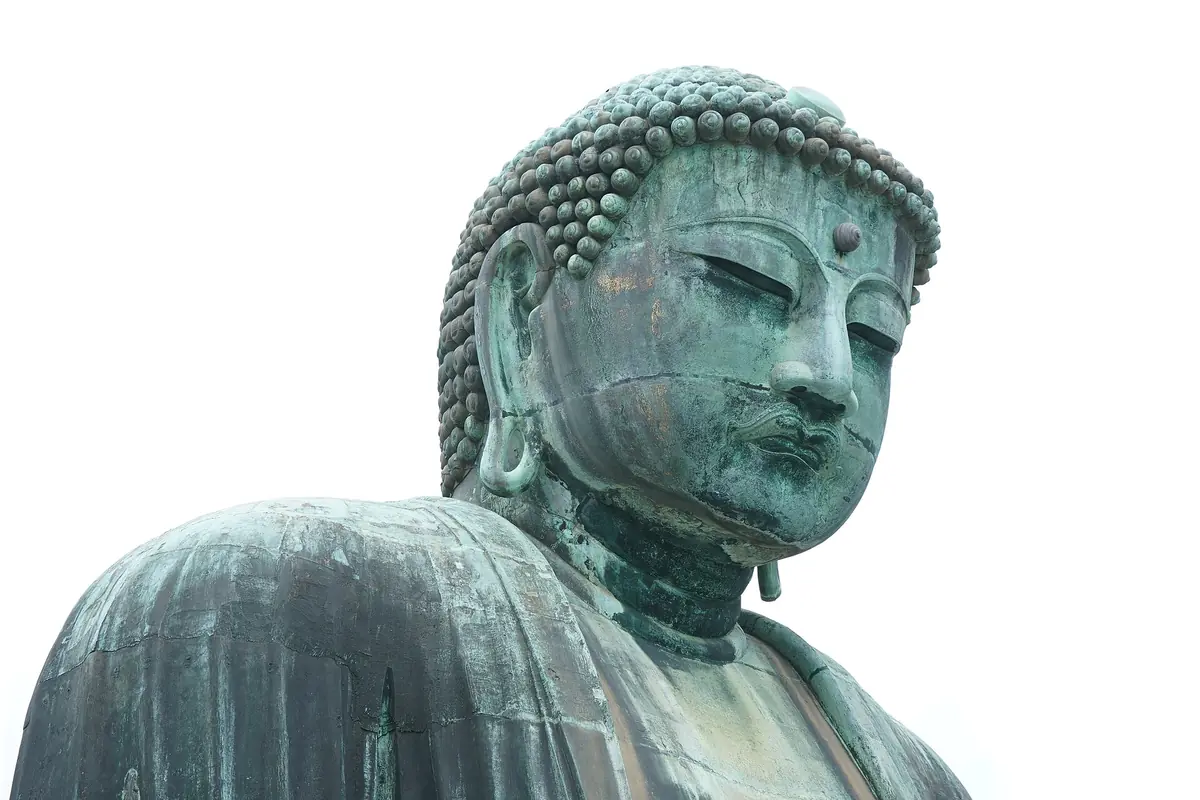
- 04Great Buddha and Hase areaOpen in Google Maps ↗
Plan the visit
Direct JR services connect Tokyo and Kamakura in about one hour. From Yokohama, the journey is roughly twenty-five minutes.
Walk, use JR and Enoden trains, and choose buses selectively. Roads near major sites are congested, so public transport is the default.
Open the complete Kamakura guide →
Copyright and conduct
No frame grabs or character artwork are reproduced. Remain on public routes, keep entrances and traffic clear, follow venue photography rules and never enter private land to recreate a shot.
Check live transport and weather notices before departure. Historic sites, shrines, temples and residential streets are shared community spaces: keep voices low, do not enter private property, and follow photography rules. Respect Kamakura’s overtourism guidelines: do not step into roads, block narrow paths or photograph residents without consent.
Source register
Sources used for this page
Reconfirm changing information with the responsible organization before travel.
- About KamakuraKamakura City Tourist Association · Official tourism organization · checked 22 August 2026
- Access to KamakuraKamakura City Tourist Association · Official tourism organization · checked 22 August 2026