At a glance
1–2 days
Walk, use JR and Enoden trains, and choose buses selectively. Roads near major sites are congested, so public transport is the default.
Winter weekdays and shoulder seasons reduce crowd pressure; hydrangea and autumn periods are busy.
Core relationships are source-checked. Reconfirm transport and facility details before departure.
Why this town matters
Kamakura is famous, but it belongs here because the landscape explains the emergence of Japan’s first samurai government. The surrounding hills, temple network and coast show why political history cannot be separated from geography.
Works, people, history and culture
- Minamoto no Yoritomo and the Kamakura shogunate
- Hojo regents and the development of samurai government
- Zen temples, sculpture and Kamakurabori craft
What to see
- Tsurugaoka Hachimangu
- Kamakura Museum of History and Culture
- Kenchoji and Engakuji
- Great Buddha and Hase area
- Zaimokuza coast and Wakae Island at low tide
See it now · Updated images
Check current conditions
An overhead view associated with Yuigahama underground parking and the coastal approach.
Yuigahama coast and parking approach
Useful for a quick visual sense of the beach-side area; consult official transport and beach information separately.
- Camera operator
- Kanagawa Prefecture
- Checked
- 22 August 2026
This provider does not expose a verified stable direct stream, so its current-view page opens in a new tab. Availability, angle and update frequency can change. Use official weather, transport and emergency notices for decisions that affect safety.
Getting there
From Tokyo, major stations or airports
Direct JR services connect Tokyo and Kamakura in about one hour. From Yokohama, the journey is roughly twenty-five minutes.
Getting around locally
Walk, use JR and Enoden trains, and choose buses selectively. Roads near major sites are congested, so public transport is the default.
1–2 days
Winter weekdays and shoulder seasons reduce crowd pressure; hydrangea and autumn periods are busy.
Food, onsen and local culture
Shojin cuisine, shirasu, Kamakura vegetables and carved lacquerware offer routes beyond the most photographed temples.
Connect neighboring towns
Use one day for the central shogunate story and another for Kita-Kamakura, Hase or the coast. Avoid combining every famous stop in one crowded circuit.
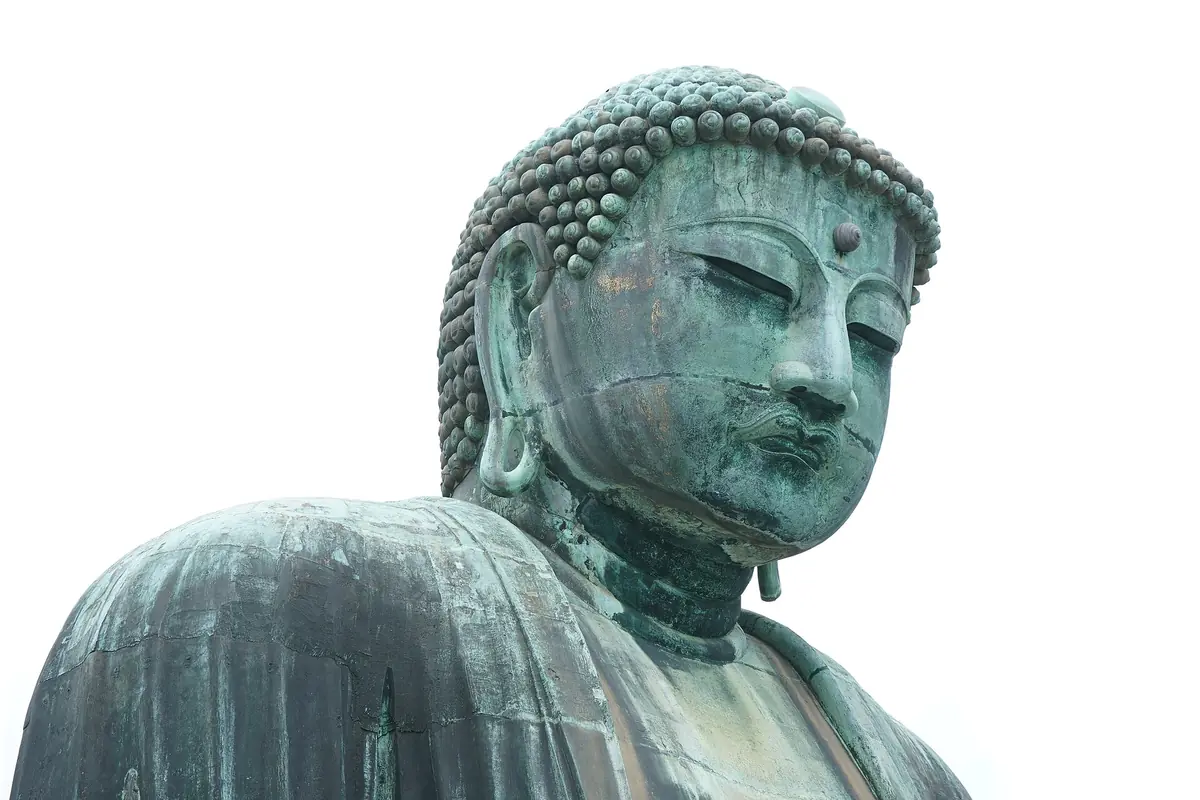

Kamakura beyond the crowded checklist
Use two focused days to separate the shogunate story, Zen temple network and coastal landscape.
KamakuraOpen route →Etiquette and safety
Check live transport and weather notices before departure. Historic sites, shrines, temples and residential streets are shared community spaces: keep voices low, do not enter private property, and follow photography rules. Respect Kamakura’s overtourism guidelines: do not step into roads, block narrow paths or photograph residents without consent.
Questions before you choose Kamakura
How much time should I allow?
1–2 days. This is the practical minimum for seeing the town without turning transport into the main activity.
Can I visit without a car?
Walk, use JR and Enoden trains, and choose buses selectively. Roads near major sites are congested, so public transport is the default.
When is the best time to go?
Winter weekdays and shoulder seasons reduce crowd pressure; hydrangea and autumn periods are busy.
Information checked: 22 August 2026
Source register
Sources used for this page
Reconfirm changing information with the responsible organization before travel.
- About KamakuraKamakura City Tourist Association · Official tourism organization · checked 22 August 2026
- Access to KamakuraKamakura City Tourist Association · Official tourism organization · checked 22 August 2026
- Responsible travel in JapanJapan National Tourism Organization · National tourism organization · checked 22 August 2026