At a glance
1 full day; 2 days with northern Aizu or an onsen stay
Central Kitakata is walkable and well suited to rental bicycles. Rail and bus frequency is limited, so decide your return connection before settling into lunch.
Spring and autumn for walking; winter for a quieter food-focused visit with snow planning.
Core relationships are source-checked. Reconfirm transport and facility details before departure.
Why this town matters
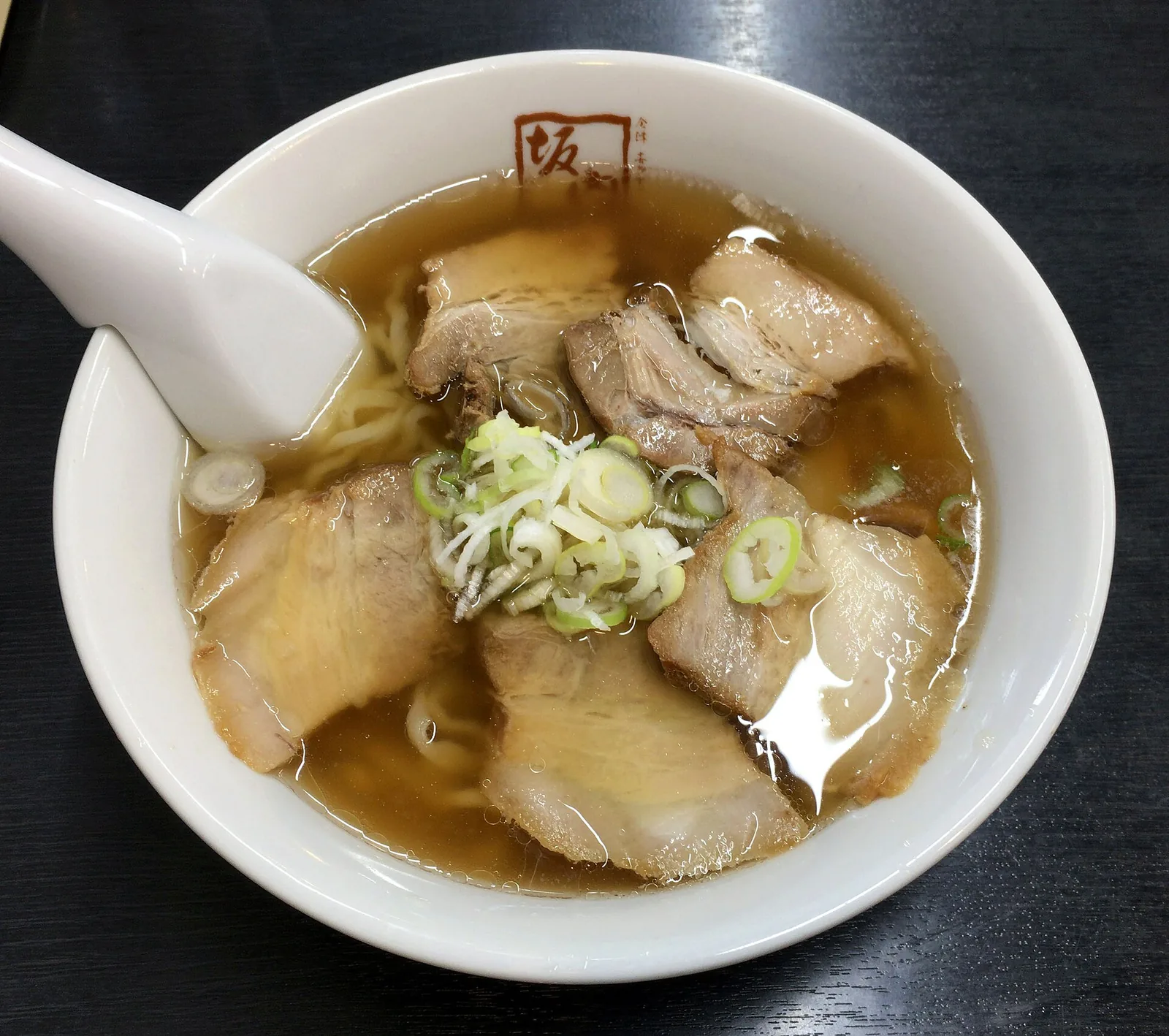
Kitakata is often reduced to a bowl of ramen, but the food makes more sense beside the city’s kura storehouses, breweries and water-rich basin. The destination works because the everyday commercial landscape and the famous dish still belong to the same place.
Works, people, history and culture
- Kitakata ramen and its twentieth-century local history
- Thousands of kura storehouses used for trade, brewing and daily life
- Aizu sake, lacquerware and craft traditions
What to see
- Breakfast ramen at a participating shop
- Kura-lined streets and converted storehouses
- Kitakata City Museum of Art
- Local sake breweries and the old commercial center
See it now · Updated images
Check current conditions
Road conditions around Kitakata and the wider Aizu area, including key junctions and winter approaches.
Kitakata road conditions
Most useful in snow season; confirm traffic restrictions separately before driving.
- Camera operator
- Fukushima Prefecture
- Checked
- 22 August 2026
This provider does not expose a verified stable direct stream, so its current-view page opens in a new tab. Availability, angle and update frequency can change. Use official weather, transport and emergency notices for decisions that affect safety.
Getting there
From Tokyo, major stations or airports
Travel by Tohoku Shinkansen to Koriyama, then continue toward Aizu-Wakamatsu and Kitakata on the Ban-etsu West Line or the replacement connection advised by JR.
Getting around locally
Central Kitakata is walkable and well suited to rental bicycles. Rail and bus frequency is limited, so decide your return connection before settling into lunch.
1 full day; 2 days with northern Aizu or an onsen stay
Spring and autumn for walking; winter for a quieter food-focused visit with snow planning.
Food, onsen and local culture
Ramen, sake, miso and sweets share a dependence on local water and grain. Morning ramen is a real local custom, but opening days and queues vary by shop.
Connect neighboring towns
Pair Kitakata with Aizu-Wakamatsu, then continue to Lake Inawashiro or Urabandai rather than forcing all of Aizu into a single day.

Aizu lakes, post towns and food culture
Build a realistic circuit from the castle city to ramen streets, a mountain post town and the Bandai lake district.
Aizu-Wakamatsu · Kitakata · Shimogo · Inawashiro · KitashiobaraOpen route →Etiquette and safety
Check live transport and weather notices before departure. Historic sites, shrines, temples and residential streets are shared community spaces: keep voices low, do not enter private property, and follow photography rules. In winter, allow extra time for snow and reduced transport.
Questions before you choose Kitakata
How much time should I allow?
1 full day; 2 days with northern Aizu or an onsen stay. This is the practical minimum for seeing the town without turning transport into the main activity.
Can I visit without a car?
Central Kitakata is walkable and well suited to rental bicycles. Rail and bus frequency is limited, so decide your return connection before settling into lunch.
When is the best time to go?
Spring and autumn for walking; winter for a quieter food-focused visit with snow planning.
Information checked: 22 August 2026
Source register
Sources used for this page
Reconfirm changing information with the responsible organization before travel.
- Kitakata: ramen, sake, crafts and storehousesJapan National Tourism Organization · National tourism organization · checked 22 August 2026
- Kitakata Ramen: a local food cultureGovernment of Japan · Government publication · checked 22 August 2026
- Fukushima TravelFukushima Prefecture Tourism and Local Products Association · Prefectural tourism organization · checked 22 August 2026
- Railway maps and travel informationJR East · Transport operator · checked 22 August 2026