At a glance
4 days
Aizu-Wakamatsu · Kitakata · Shimogo · Inawashiro · Kitashiobara
4 stops or day blocks
Confirm rail, bus and walking links before booking
This is an editorial route framework, not a live timetable. Confirm operating days, reservations and the final connection before booking.
Why this sequence works
Build a realistic circuit from the castle city to ramen streets, a mountain post town and the Bandai lake district.
The route is ordered to protect time for the places themselves. It avoids treating Aizu-Wakamatsu, Kitakata, Shimogo, Inawashiro, Kitashiobara as interchangeable pins and keeps overnight decisions visible.
Day-by-day route
- Day 1: Aizu-Wakamatsu history and crafts
- Day 2: Kitakata storehouses and ramen
- Day 3: Shimogo and Ouchi-juku
- Day 4: Inawashiro or Kitashiobara, with another night recommended
What each stop contributes
Aizu-Wakamatsu
Aizu-Wakamatsu is one of Japan’s clearest places for understanding how a historical narrative survives beyond a single monument. Tsurugajo, Iimoriyama, the Nisshinkan domain school story, lacquerware workshops and neighborhood streets together show how the Aizu identity was made and remembered.
- Tsurugajo Castle and its history museum
- Iimoriyama and Sazaedo
- Oyakuen medicinal garden
Kitakata
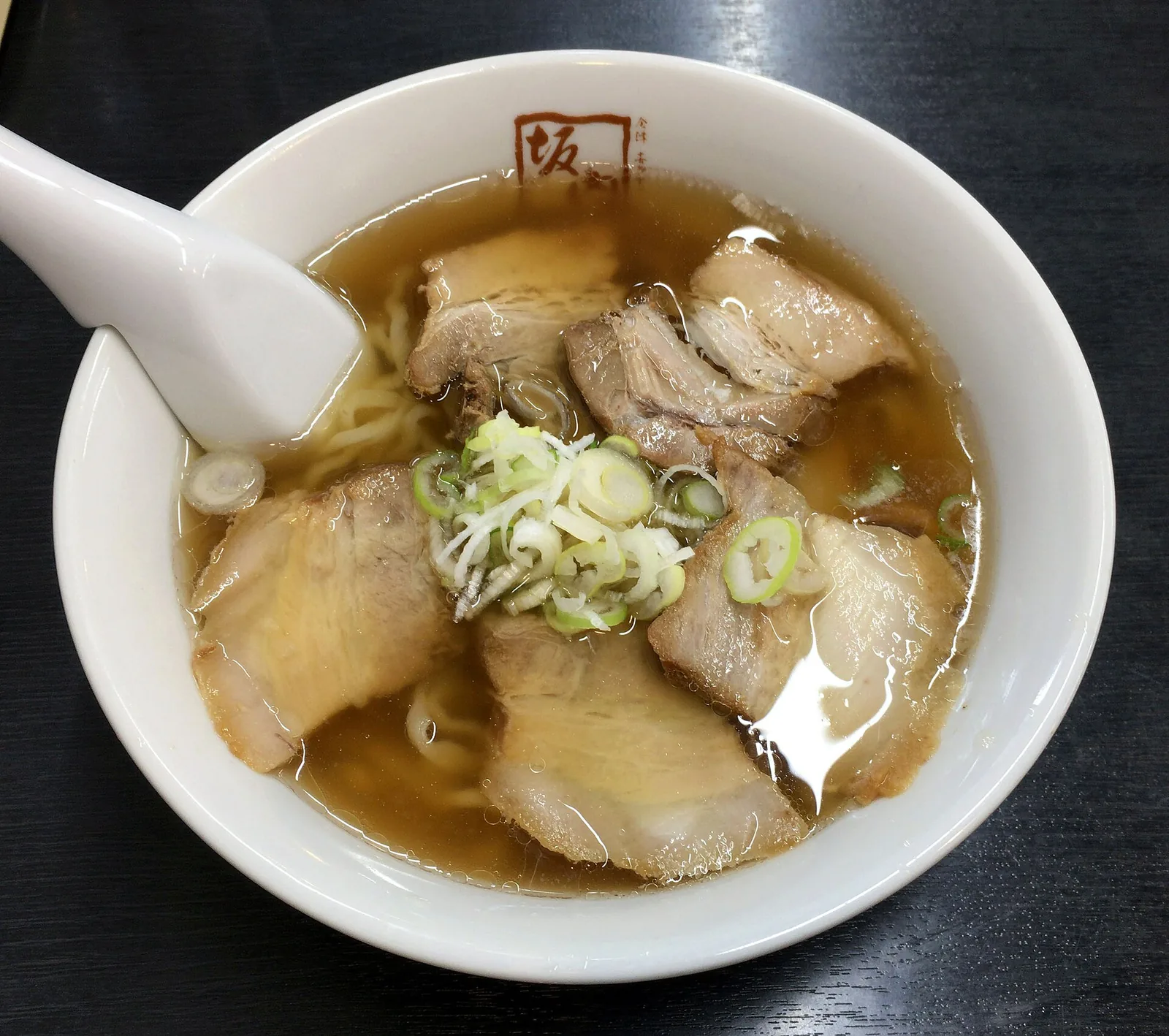
Kitakata is often reduced to a bowl of ramen, but the food makes more sense beside the city’s kura storehouses, breweries and water-rich basin. The destination works because the everyday commercial landscape and the famous dish still belong to the same place.
- Breakfast ramen at a participating shop
- Kura-lined streets and converted storehouses
- Kitakata City Museum of Art
Shimogo
Ouchi-juku gives Shimogo its best-known image, yet the wider town matters because the former post settlement remains tied to mountain routes, local food and the Aizu railway corridor. Treat it as a community, not an outdoor film set.
- Ouchi-juku early or late in the day
- Ouchi-juku Pavilion museum
- To-no-Hetsuri
Inawashiro
Inawashiro is the hinge between the Aizu basin and the volcanic highlands. Lake Inawashiro, Mt Bandai and the birthplace of physician Hideyo Noguchi give the town several stories that can be visited without inventing a single theme.
- Lake Inawashiro shoreline
- Hideyo Noguchi Memorial Museum
- Tenkyokaku
Kitashiobara
Kitashiobara makes the geography behind Fukushima’s inland landscapes visible. The 1888 eruption of Mt Bandai transformed valleys and waterways, creating the lakes and ponds that now define Urabandai.
- Goshikinuma Pond Trail
- Lake Hibara shoreline
- Morohashi Museum of Modern Art
Transport checklist by stop
Use these access notes to choose the right base and identify connections that need a fresh timetable check.
- Aizu-WakamatsuFrom Tokyo, the most common public-transport route is the Tohoku Shinkansen to Koriyama, followed by the Ban-etsu West Line or a replacement/connecting service as advised by JR. Highway buses are another option.Local movement: The Haikara-san and Akabe loop buses connect the station with major central sights. Walking and rental cycles work for the center; winter conditions can change that calculation.
- KitakataTravel by Tohoku Shinkansen to Koriyama, then continue toward Aizu-Wakamatsu and Kitakata on the Ban-etsu West Line or the replacement connection advised by JR.Local movement: Central Kitakata is walkable and well suited to rental bicycles. Rail and bus frequency is limited, so decide your return connection before settling into lunch.
- ShimogoFrom Aizu-Wakamatsu, take the Aizu Railway toward Yunokami Onsen. Ouchi-juku requires a connecting bus or taxi; seasonal services should be checked before travel.Local movement: The rail corridor is useful, but the village and gorge are separated. A bus plan, taxi or car is needed for a reliable same-day combination.
- InawashiroFrom Koriyama, take the Ban-etsu West Line toward Inawashiro. Check current service notices, especially outside peak periods.Local movement: The station, lakeshore and museums are not all adjacent. Buses, taxis, bicycles or a car are useful; winter changes travel times substantially.
- KitashiobaraUse the Tohoku Shinkansen to Koriyama, continue toward Inawashiro, then take a bus to Urabandai. Bus frequency changes by season.Local movement: Trailheads and lakeside stops are dispersed. Buses cover the main corridor; a car gives more flexibility, while hikers should plan one-way trail logistics.
Where to stay
Aizu-Wakamatsu: 2 days; 3 with an onsen night or Ouchi-juku
Kitakata: 1 full day; 2 days with northern Aizu or an onsen stay
Shimogo: 1 day; 2 with an onsen night
Inawashiro: 1–2 days
Kitashiobara: 1–2 days
Season and weather
Aizu-Wakamatsu: Spring blossoms, green summer streets, autumn foliage and snow-season atmosphere all work; winter requires extra transfer time.
Kitakata: Spring and autumn for walking; winter for a quieter food-focused visit with snow planning.
Shimogo: Green season for walking, autumn for foliage and winter for deep-snow atmosphere.
Inawashiro: Summer for the lake, autumn for color, winter for snow sports and spring for quieter sightseeing.
Kitashiobara: Late spring through autumn for hiking; winter for snow activities with specialist equipment.
Reservations and luggage
Reserve limited-express seats, popular accommodation and rural experiences when required. Use luggage forwarding or station lockers when a transfer day includes walking or buses.
Fallback plan
Protect the final train or bus first. In severe weather, remove the most remote stop rather than compressing every visit. Keep one indoor museum, craft or food option for each base.
Before committing
Recheck every long-distance and rural connection with the responsible operator. Closures, reservations, festival traffic and weather can reshape the route. Prices and operating times are intentionally not frozen into this page.
Source register
Sources used for this page
Reconfirm changing information with the responsible organization before travel.
- Tsurugajo CastleAizu-Wakamatsu Tourism Bureau · Official tourism organization · checked 22 August 2026
- Kitakata: ramen, sake, crafts and storehousesJapan National Tourism Organization · National tourism organization · checked 22 August 2026
- Ouchi-jukuShimogo Town · Municipality · checked 22 August 2026
- Urabandai Travel GuideUrabandai Tourism Association · Official tourism organization · checked 22 August 2026