At a glance
1 full day; 2 days for tea experiences and a slower literary route
The main river, temple and tea districts are walkable from the stations. Use both sides of the river and allow time for museum entry.
Spring and autumn are beautiful and busy; early mornings improve the experience year-round.
Core relationships are source-checked. Reconfirm transport and facility details before departure.
Why this town matters
Uji earns more than a half-day label. The river landscape anchors the Uji chapters of The Tale of Genji, while Byodoin, Ujigami Shrine and tea production connect literature, belief and industry across centuries.
Works, people, history and culture
- The Ten Uji Chapters of The Tale of Genji
- Byodoin and Heian-period Pure Land culture
- Uji tea and the development of Japanese tea practice
What to see
- Byodoin and Hoshokan Museum
- Tale of Genji Museum
- Ujigami Shrine
- Uji Bridge and river walks
- Tea shops and the municipal tea house
See it now · Updated images
Check current conditions
Current river views and short time-lapse sequences, including camera points on the Uji River.
Uji River and Yodogawa basin
Useful for understanding river conditions; it does not show temple congestion or replace flood and weather warnings.
- Camera operator
- MLIT Yodogawa River Office
- Checked
- 22 August 2026
This provider does not expose a verified stable direct stream, so its current-view page opens in a new tab. Availability, angle and update frequency can change. Use official weather, transport and emergency notices for decisions that affect safety.
Getting there
From Tokyo, major stations or airports
JR and Keihan trains connect Uji with Kyoto. From Nara or Osaka, plan the route around the relevant transfer rather than assuming one direct service.
Getting around locally
The main river, temple and tea districts are walkable from the stations. Use both sides of the river and allow time for museum entry.
1 full day; 2 days for tea experiences and a slower literary route
Spring and autumn are beautiful and busy; early mornings improve the experience year-round.
Food, onsen and local culture
Tea is agriculture, craft and hospitality here—not only matcha sweets. Compare sencha, gyokuro and matcha through specialist shops or guided tastings.
Connect neighboring towns
Pair Uji with southern Kyoto or Nara, but keep a full day if literature and tea are the purpose of the visit.
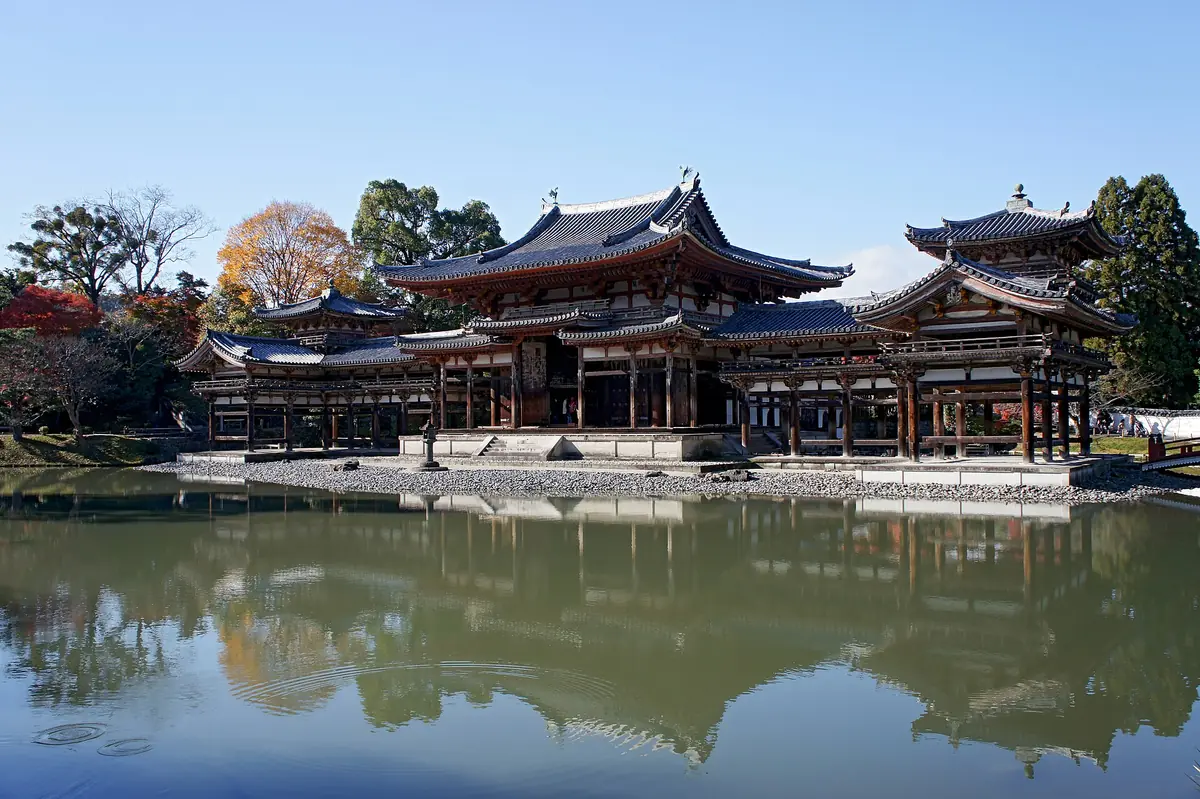

Uji literature, temples and tea
Follow the Uji River from Heian-period heritage to The Tale of Genji and specialist tea culture.
UjiOpen route →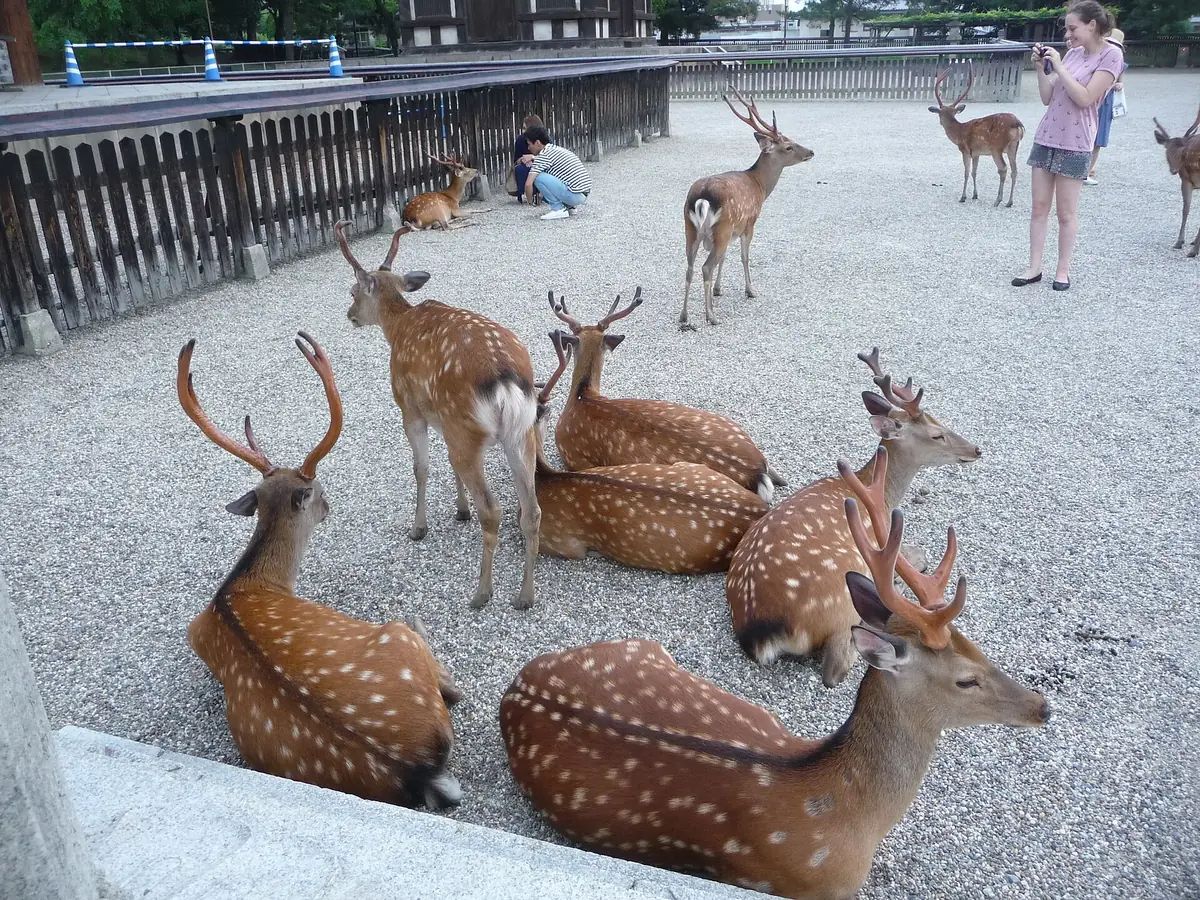
.jpg)
Uji and Nara beyond the Kyoto day trip
Connect Heian literature and tea beside the Uji River with the temples, court history and sacred landscape of ancient Nara.
Uji · NaraOpen route →Etiquette and safety
Check live transport and weather notices before departure. Historic sites, shrines, temples and residential streets are shared community spaces: keep voices low, do not enter private property, and follow photography rules. Temple interiors and tea rooms have specific photography rules; the river can rise after heavy rain.
Questions before you choose Uji
How much time should I allow?
1 full day; 2 days for tea experiences and a slower literary route. This is the practical minimum for seeing the town without turning transport into the main activity.
Can I visit without a car?
The main river, temple and tea districts are walkable from the stations. Use both sides of the river and allow time for museum entry.
When is the best time to go?
Spring and autumn are beautiful and busy; early mornings improve the experience year-round.
Information checked: 22 August 2026
Source register
Sources used for this page
Reconfirm changing information with the responsible organization before travel.
- Welcome to UjiUji City Tourist Association · Official tourism organization · checked 22 August 2026
- World Heritage ByodoinByodoin Temple · Official cultural property · checked 22 August 2026
- Responsible travel in JapanJapan National Tourism Organization · National tourism organization · checked 22 August 2026