At a glance
3 days
Uji · Nara
3 stops or day blocks
Confirm rail, bus and walking links before booking
This is an editorial route framework, not a live timetable. Confirm operating days, reservations and the final connection before booking.
Why this sequence works
Connect Heian literature and tea beside the Uji River with the temples, court history and sacred landscape of ancient Nara.
The route is ordered to protect time for the places themselves. It avoids treating Uji, Nara as interchangeable pins and keeps overnight decisions visible.
Day-by-day route
- Day 1: Byodoin, Uji River, Genji Museum and tea
- Day 2: Todaiji, Kasugataisha and eastern Nara
- Day 3: Naramachi plus Heijo Palace or Nishinokyo
What each stop contributes
Uji
Uji earns more than a half-day label. The river landscape anchors the Uji chapters of The Tale of Genji, while Byodoin, Ujigami Shrine and tea production connect literature, belief and industry across centuries.
- Byodoin and Hoshokan Museum
- Tale of Genji Museum
- Ujigami Shrine
Nara
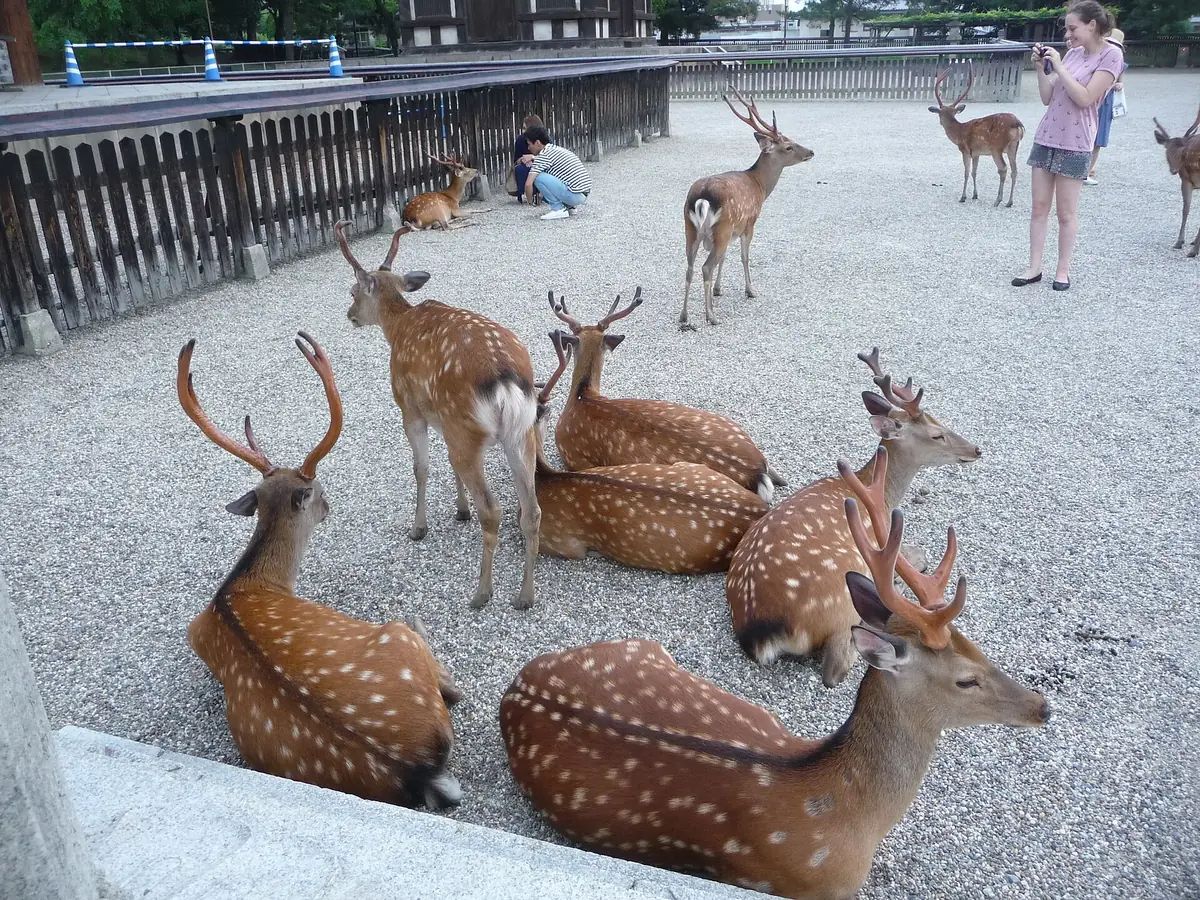
Nara is often compressed into deer and Todaiji, but the former capital is a connected landscape of court planning, powerful temples, Kasuga belief, protected forest and later merchant life. A full day reveals the eastern park; a second shows that Nara’s historical geography extends west and south.
- Todaiji and the Great Buddha Hall
- Kasugataisha and the forest approach
- Kohfukuji and the Nara National Museum
Transport checklist by stop
Use these access notes to choose the right base and identify connections that need a fresh timetable check.
- UjiJR and Keihan trains connect Uji with Kyoto. From Nara or Osaka, plan the route around the relevant transfer rather than assuming one direct service.Local movement: The main river, temple and tea districts are walkable from the stations. Use both sides of the river and allow time for museum entry.
- NaraKintetsu trains provide convenient access from Kyoto and Osaka-Namba; JR services connect Kyoto, Osaka and Nara by different routes. Kintetsu-Nara is closer to Nara Park, while JR Nara is useful for the older commercial streets.Local movement: Walk the eastern park carefully and use buses for wider sites. The loop bus serves principal stops, but distances inside the park remain substantial. Nishinokyo and Heijo Palace require a separate half-day.
Where to stay
Uji: 1 full day; 2 days for tea experiences and a slower literary route
Nara: 2 days; 3 with Horyuji or southern Nara
Season and weather
Uji: Spring and autumn are beautiful and busy; early mornings improve the experience year-round.
Nara: Spring and autumn are beautiful and crowded; early mornings and winter weekdays offer quieter temple visits; summer heat is significant.
Reservations and luggage
Reserve limited-express seats, popular accommodation and rural experiences when required. Use luggage forwarding or station lockers when a transfer day includes walking or buses.
Fallback plan
Protect the final train or bus first. In severe weather, remove the most remote stop rather than compressing every visit. Keep one indoor museum, craft or food option for each base.
Before committing
Recheck every long-distance and rural connection with the responsible operator. Closures, reservations, festival traffic and weather can reshape the route. Prices and operating times are intentionally not frozen into this page.
Source register
Sources used for this page
Reconfirm changing information with the responsible organization before travel.
- Welcome to UjiUji City Tourist Association · Official tourism organization · checked 22 August 2026
- Nara for first-time visitorsNara City Tourism Association · Official tourism organization · checked 22 August 2026
- Nara’s sacred deerNara Prefecture Visitor Bureau · Official tourism organization · checked 22 August 2026