At a glance
6 days
Nagasaki · Kagoshima
3 stops or day blocks
Confirm rail, bus and walking links before booking
This is an editorial route framework, not a live timetable. Confirm operating days, reservations and the final connection before booking.
Why this sequence works
Give each city time for difficult history, international exchange and living waterfront geography, with a dedicated rail-transfer day between them.
The route is ordered to protect time for the places themselves. It avoids treating Nagasaki, Kagoshima as interchangeable pins and keeps overnight decisions visible.
Day-by-day route
- Days 1–3: Nagasaki trade history, southern hillside and peace district
- Day 4: rail transfer across Kyushu with no major sightseeing promise
- Days 5–6: Kagoshima Satsuma history, city culture and Sakurajima
What each stop contributes
Nagasaki
Nagasaki resists a single story. Dejima and Chinese trade explain its role as an international window; churches and communities preserve a difficult religious history; shipbuilding shaped modern industry; and the atomic bombing of 1945 demands time for evidence, testimony and reflection rather than a quick photo stop.
- Dejima and the old foreign settlement context
- Oura Cathedral and Glover Garden
- Nagasaki Atomic Bomb Museum, Hypocenter and Peace Park
Kagoshima
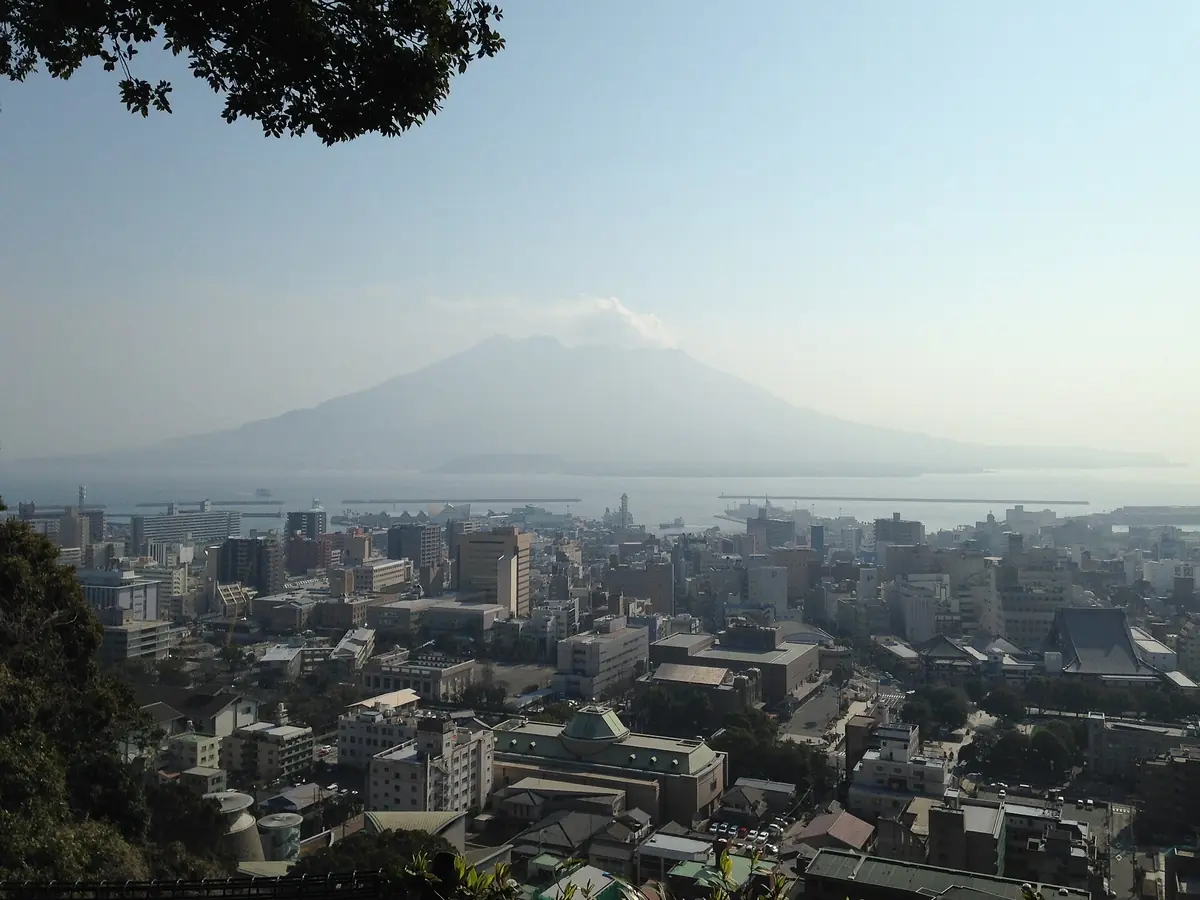
Kagoshima’s defining view is not scenery detached from city life: Sakurajima is an active volcano across a ferry route used every day. The former Satsuma domain’s role in political and industrial change adds a second major story, while ash management, local agriculture and public baths show how residents live with the landscape.
- Sakurajima Visitor Center and lava-shore walk
- Sengan-en and its industrial-heritage context
- Kagoshima City Museum of the Meiji Restoration
Transport checklist by stop
Use these access notes to choose the right base and identify connections that need a fresh timetable check.
- NagasakiThe Nishi Kyushu Shinkansen reaches Nagasaki via Takeo-Onsen connections from Hakata. Airport buses serve central Nagasaki; check the stop closest to the hotel because the city is long, hilly and divided by the harbor.Local movement: Trams handle many central journeys, but slopes and transfers still require time. Group the peace district, Dejima-center and Minamiyamate into separate blocks. Use elevators, slope cars or taxis when mobility is limited.
- KagoshimaThe Kyushu Shinkansen terminates at Kagoshima-Chuo, with direct services from Hakata. Airport buses connect Kagoshima Airport with the center. Trams or buses continue to the Sakurajima ferry terminal.Local movement: Trams, city buses and the frequent ferry cover the main route. On Sakurajima, the Island View bus serves principal stops, but a full circuit needs more planning. Do not assume distant viewpoints are walkable from the ferry.
Where to stay
Nagasaki: 2–3 days
Kagoshima: 2–3 days
Season and weather
Nagasaki: Spring and autumn are comfortable; summer is hot and humid, August remembrance periods require particular respect, and autumn Kunchi dates are busy.
Kagoshima: Autumn through spring is comfortable; summer is hot with typhoon risk. Volcano and ash conditions matter in every season.
Reservations and luggage
Reserve limited-express seats, popular accommodation and rural experiences when required. Use luggage forwarding or station lockers when a transfer day includes walking or buses.
Fallback plan
Protect the final train or bus first. In severe weather, remove the most remote stop rather than compressing every visit. Keep one indoor museum, craft or food option for each base.
Before committing
Recheck every long-distance and rural connection with the responsible operator. Closures, reservations, festival traffic and weather can reshape the route. Prices and operating times are intentionally not frozen into this page.
Source register
Sources used for this page
Reconfirm changing information with the responsible organization before travel.
- Travel Nagasaki official city guideNagasaki International Tourism and Convention Association · Official tourism organization · checked 22 August 2026
- Nagasaki Atomic Bomb MuseumNagasaki City · Municipality cultural site · checked 22 August 2026
- Visit Kagoshima City official guideKagoshima Convention and Visitors Bureau · Official tourism organization · checked 22 August 2026
- Access to SakurajimaSakurajima Visitor Center · Official visitor center · checked 22 August 2026