At a glance
international travelers considering their first ryokan or onsen stay
Fukushima
12 min read
16 August 2026
Reconfirm changing details with the listed responsible organizations. Source check: 16 August 2026.
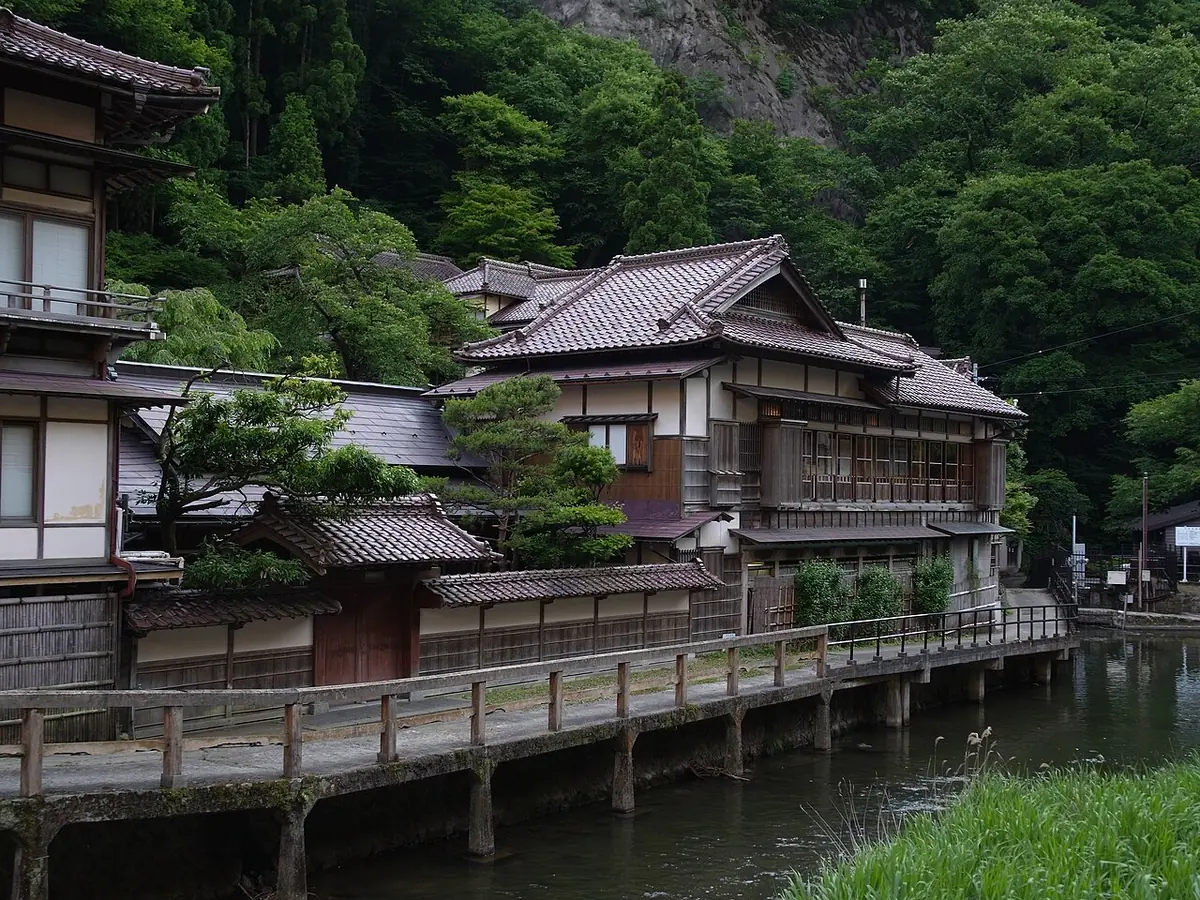
A night at a Fukushima ryokan can be the emotional center of a trip: mountain air, a carefully timed dinner, tatami rooms and a hot bath before sleep. It can also be confusing if you arrive expecting an ordinary hotel with a spa.
The key is to separate three ideas. A ryokan is a Japanese-style inn. An onsen uses naturally heated spring water under Japanese rules. A ryokan may have an onsen, but not every ryokan does, and many onsen also admit day visitors. Facilities, meals, bathing rules and service styles vary from property to property.
General etiquette will help you feel comfortable. Property-specific confirmation is still essential, especially for tattoos, food restrictions, children and private baths.
Choose the stay by logistics, not only by photographs
Begin with access. An isolated bath overlooking a valley may be perfect for a driver and difficult for a rail traveler. Check the complete route from your previous hotel, including the final bus or shuttle. If the ryokan offers pickup, confirm the eligible station, meeting point, operating times and reservation deadline.
Next, read the booking plan. Japanese accommodation sites often sell several plans for the same room: room only, breakfast, two meals, seasonal cuisine or a package with a private bath. A lower price may simply exclude the experience you assumed was included.
Confirm whether the room has a private toilet, shower or bath. Traditional rooms can have shared facilities. A room described as having an “open-air bath” may provide a private bathing option, but ask whether the water is onsen water if that distinction matters to you.
Finally, check meal and arrival times before choosing your transport. A dinner-inclusive ryokan prepares for a set service. Late arrival can mean losing the meal, and the kitchen may not be able to recreate it later. Tell the property immediately if a disruption will make you late.
What happens at check-in
Remove outdoor shoes where the property indicates and use the slippers provided. Slipper rules differ between the entrance, corridors, tatami rooms and toilets; follow signs or staff guidance. Do not wear ordinary slippers on tatami. Toilet slippers, when present, stay in the toilet.
Staff may explain dinner location, breakfast, bath hours, curfew, bedding and emergency exits. This information can arrive quickly. Ask them to mark key times on the printed information or use a translation app for essential details.
Many properties provide a yukata, a light robe, and a jacket in colder weather. It is normally acceptable to wear the yukata around the inn and to meals, but follow the property’s atmosphere. Wrap the left side over the right side. Keep the robe comfortably closed and use the sash; it is relaxed clothing, not a costume for disruptive photographs.
Futon bedding may be prepared by staff while you are at dinner, or you may be asked to arrange it yourself. Keep luggage away from the area where bedding will be placed.
How to use a public onsen bath
Public baths are normally separated by gender, and the sides can switch at different times. Check the curtain, sign and current instructions every visit rather than relying on where you entered earlier.
Leave shoes or slippers outside the changing area as directed. Undress in the changing room and store your clothing and valuables. Take only the small washing towel into the bathing area. The larger towel stays dry in the changing room.
Wash before entering the bath. Sit at a washing station, rinse the stool and use soap and shampoo there. Rinse your body completely. The shared bath is for soaking, not washing.
Enter slowly. Onsen water can be hotter than visitors expect, and mineral composition varies. Keep the small towel out of the water; place it on your head or at the edge. Tie up long hair so it does not touch the bath. Do not swim, splash, use a phone or take photographs.
Move quietly and allow other guests personal space. Before returning to the changing room, lightly dry your body with the small towel so water does not spread across the floor. Follow posted guidance about showering after the bath, since advice may vary with the spring and facility.
Alcohol, dehydration and hot water are a poor combination. Drink water, limit the first soak and leave immediately if you feel dizzy or unwell. Anyone with a health condition affected by heat should seek appropriate medical advice rather than relying on a travel article.
Tattoos require a property-specific answer
There is no single tattoo rule covering every Fukushima onsen. Some facilities prohibit all tattoos in public baths. Some accept small tattoos if covered. Others welcome tattooed guests, or offer a private bath as an alternative. Policies can change and may differ between day use and an overnight stay.
Do not treat silence on an English booking page as permission. Contact the property before making a non-refundable booking. State the approximate size, number and location of tattoos and ask which options are available. A useful message is: “I have one tattoo approximately 8 cm by 5 cm on my upper arm. May I use the public bath if it is covered, or should I reserve a private bath?”
If a private bath is offered, ask whether it is inside your room or reserved for a timed session, whether an extra charge applies and when reservations open. “Private bath available” does not guarantee that a slot will remain after arrival.
Never assume that a covering sticker will be accepted because it worked at another onsen. Follow the answer from the facility you are visiting. Staff enforcing a published rule are not making a judgment about you personally.
Meals and dietary restrictions
Ryokan dinners often consist of many small dishes and may use fish stock, shellfish, soy, wheat, sesame, egg and other ingredients that are not visually obvious. Removing one visible item may not remove the ingredient from a broth or sauce.
Contact the property before booking if you have an allergy, vegetarian or vegan requirements, religious restrictions, or a medical dietary need. Use a clear ingredient list. Distinguish an allergy from a preference, and explain the severity and risk of cross-contact. Ask whether the kitchen can safely accommodate the request; do not assume that a translated note at dinner is enough.
Some ryokan cannot alter a fixed menu or guarantee separation in a shared kitchen. If the answer is no, select another property or a room-only plan with a verified meal alternative. Bringing outside food may also be restricted, so ask before doing so.
Arrive on time for dinner. Courses are paced and served at intended temperatures. If breakfast is too early for your departure, ask about options before arrival; a takeaway meal should never be assumed.
Children, privacy and gender considerations
Families should confirm child rates, bedding, meals and bathing arrangements. A “child plan” may vary by age and may not include the same dinner as an adult plan. Ask about cots, bed guards and whether stairs or open-air areas create practical concerns.
Public bathing is nude. Swimwear is generally not allowed unless a facility explicitly operates a mixed or special bathing area that requires it. Travelers who are uncomfortable with nudity should book a room bath or reservable private bath.
Gendered facilities may not meet every transgender or non-binary traveler’s needs. Contact the property privately before booking and ask about a reservable bath or in-room option. Do not rely on a general travel guide to predict how a specific facility will handle the situation.
Day use versus an overnight stay
Day-use bathing can fit a busy itinerary, but admission hours are often narrower than hotel operation. A bath may close for cleaning, private use or crowd control, and towels may cost extra or require rental. Confirm final entry, payment method, tattoo policy and whether luggage storage exists.
An overnight stay removes some transport pressure and lets you bathe at quieter times. It also creates obligations: arriving before dinner, understanding the meal plan and respecting the property’s schedule. Choose the version that fits your route rather than forcing a famous bath into an already crowded day.
A booking message that prevents surprises
Before confirming, send one concise message covering only what matters:
- arrival date, number of guests and ages of children;
- expected arrival train and need for pickup;
- meal plan and all dietary restrictions;
- tattoo details and the bathing option offered;
- request for a private bath, if needed; and
- any mobility or room-facility requirement.
Keep the written reply. Reconfirm time-sensitive arrangements shortly before travel.
Onsen etiquette is not a test of perfect Japanese knowledge. Wash before soaking, protect other guests’ privacy, follow the facility’s rules and ask when uncertain. With the practical details settled in advance, a Fukushima ryokan can become what it should be: the quietest, least complicated part of your journey.
Put the guide on the map
Towns and routes mentioned here
A castle town where the Boshin War, samurai education and living craft traditions remain legible in the streets.
Town guideFukushima CityA Shinkansen gateway with music history, orchard landscapes and three distinct onsen districts.
Town guideInawashiroA lakeside town framed by Mt Bandai, outdoor seasons and the international story of Hideyo Noguchi.
Suggested routeTwo days in the Aizu castle townA paced route through Tsurugajo, Iimoriyama, craft streets and an onsen evening.
Keep planning
Read next
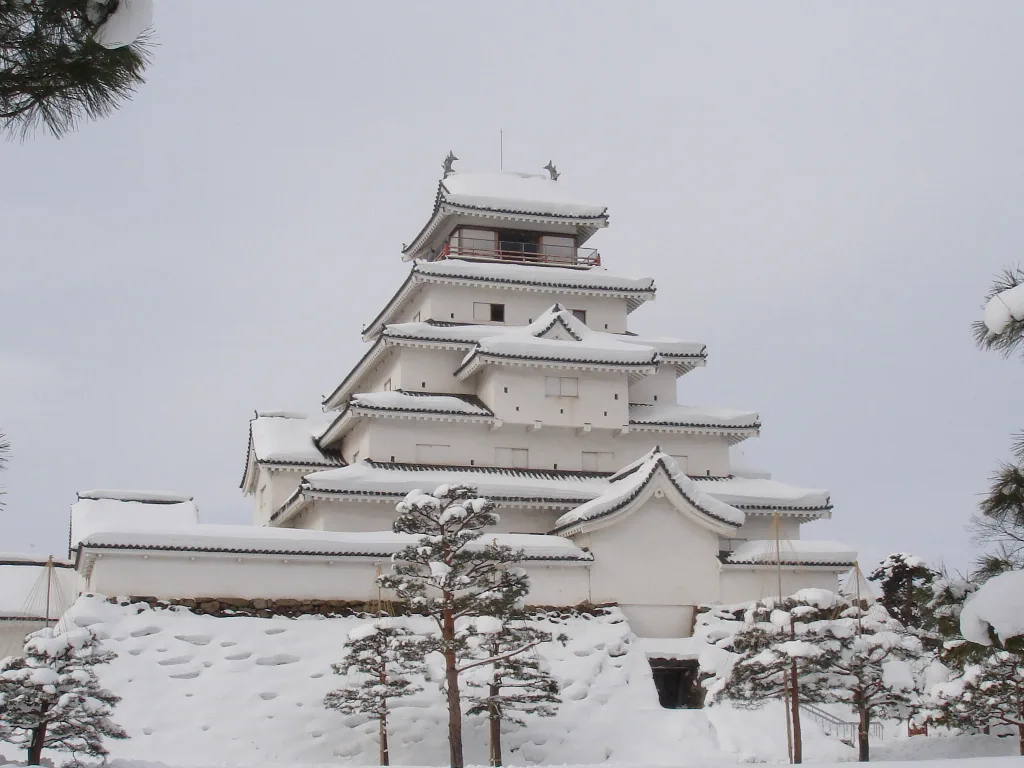

A Practical 3-Day Fukushima Itinerary
A realistic Aizu-based route with samurai history, an onsen stay and an optional rural day—without renting a car.
Open guide →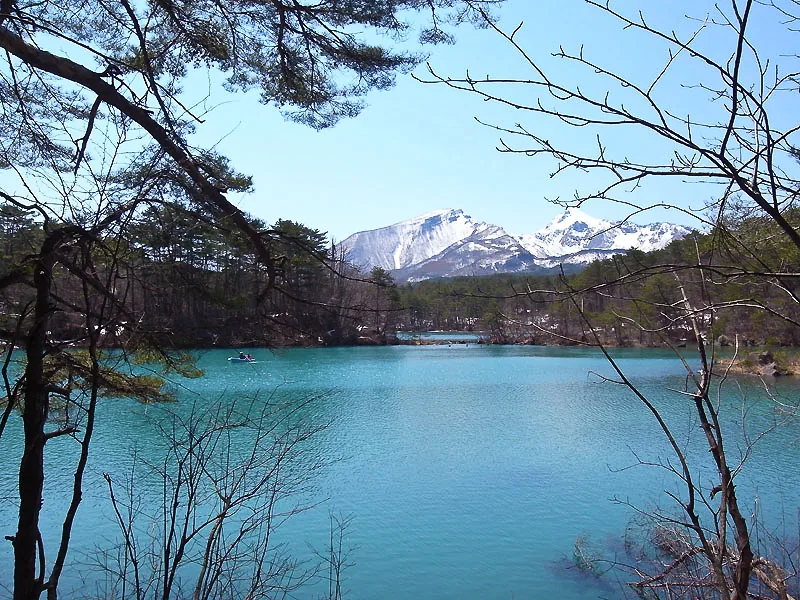

Fukushima for First-Time Visitors
Choose the right region, season and transport plan—and avoid the assumptions that make a first Fukushima trip harder than it needs to be.
Open guide →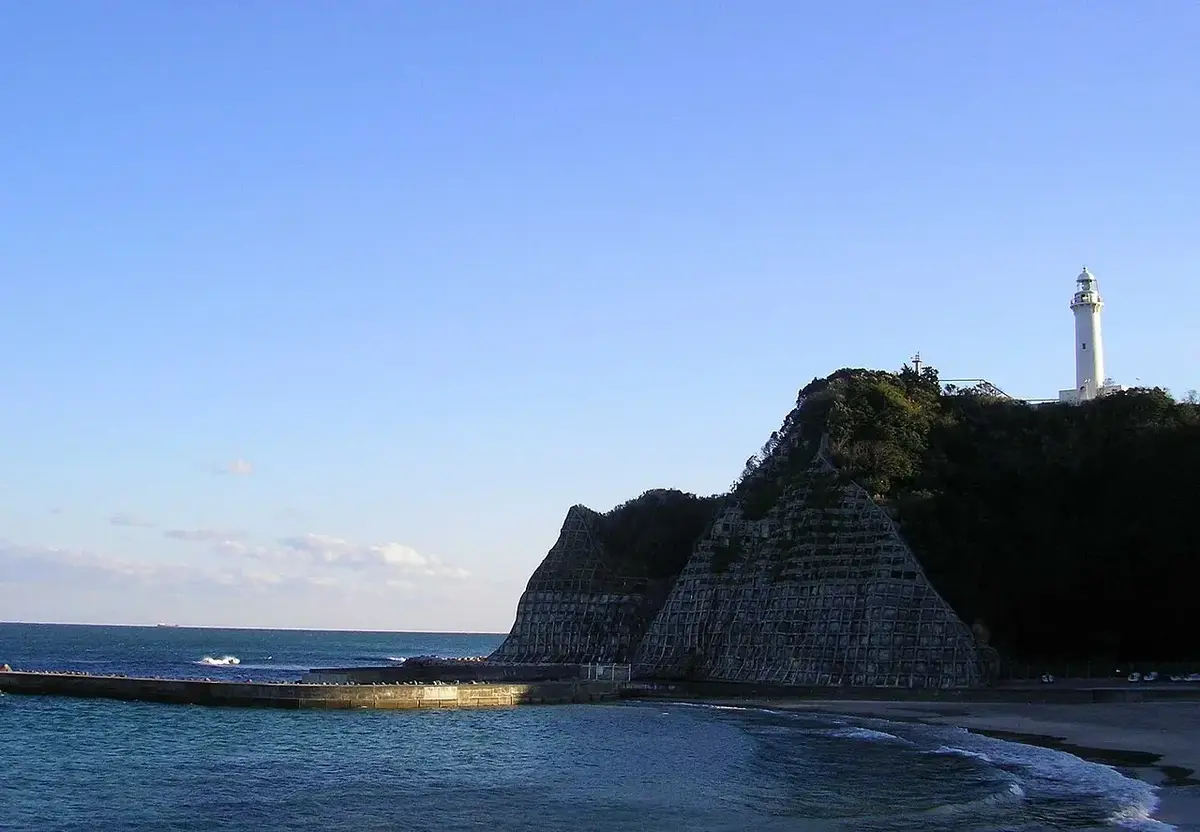

Is Fukushima Safe to Visit?
A measured guide to radiation, restricted areas, food monitoring and everyday travel risks, with links to current official data.
Open guide →Official sources
- Japanese Ryokan GuideJapan National Tourism Organization · checked 16 August 2026
- How to Best Enjoy Japan’s OnsenJapan National Tourism Organization · checked 16 August 2026
- Onsen Hot Springs: Tattoos and EtiquetteJapan National Tourism Organization · checked 16 August 2026
- Onsen and Sightseeing in Aizu by TrainFukushima Travel · checked 16 August 2026