At a glance
travelers seeking evidence-based answers about visiting Fukushima
Fukushima
12 min read
16 August 2026
Reconfirm changing details with the listed responsible organizations. Source check: 16 August 2026.
For most travelers, visiting established destinations in Fukushima is an ordinary domestic trip in Japan. Cities, hot-spring areas, historic districts and mountain destinations receive residents and visitors every day. At the same time, the 2011 earthquake, tsunami and Fukushima Daiichi nuclear accident are real events with continuing consequences, including designated areas where entry remains restricted.
A useful answer is therefore not a slogan such as “completely safe” or “too dangerous.” It is a method: identify where you are going, consult current official monitoring and access information, distinguish normal tourism areas from restricted zones, and check the same weather and disaster warnings you would use elsewhere in Japan.
This article was reorganized for clarity on 29 August 2026 using official information checked on 16 August 2026. It does not provide medical advice or replace instructions from Japanese authorities.
Is the whole prefecture near the nuclear plant?
No. Fukushima is a large prefecture divided broadly into Aizu in the west, Nakadori through the center and Hamadori along the Pacific. Fukushima Daiichi is on the coast. Major visitor destinations such as Aizu-Wakamatsu, Ouchi-juku, Urabandai, Fukushima City and many onsen areas are in other parts of the prefecture.
Distance alone is not the official measure of whether a place is open. Japanese authorities designate access according to current legal and monitoring conditions. Fukushima Travel’s dated visitor-safety summary states that the difficult-to-return zone covered approximately 2.2% of the prefecture as of 2024. Because that figure is a dated tourism summary rather than live access permission, use Fukushima Prefecture’s current evacuation-designated-zone information, updated 24 April 2026, for the present boundaries and status.
Do not translate that figure into permission to enter any road or site. Boundaries and permitted transit can be specific. Some sections may be passable on designated roads while entry into adjoining land remains controlled. If your trip approaches a restricted area, use the current government map and local instructions—not a pre-2011 map, social-media pin or abandoned-place video.
What do official radiation measurements show?
Fukushima Prefecture operates environmental monitoring and publishes results for public facilities, living spaces, ports, water and other categories. The prefecture’s English monitoring hub links to the underlying datasets and monitoring services.
The prefecture’s air-dose transition page reports that the measured air dose rate at one Fukushima City location declined from 1.91 microsieverts per hour immediately after the accident to 0.10 microsieverts per hour in fiscal 2025. That is one observation point and one measurement type, not a prefecture-wide value.
Fukushima Travel also publishes comparisons and sample readings for visitor sites, but some examples on that page carry measurement dates from earlier years. Dates matter. Use those figures to understand the monitoring framework, then follow the linked live or recent prefectural source if you need a current measurement for a particular location.
Radiation dose, dose rate and radioactive contamination are related but different concepts. Comparing numbers without matching units, dates and measurement conditions can be misleading. For a personal medical concern, pregnancy question or individual risk assessment, speak with a qualified medical or radiation-health professional.
Can tourists enter the difficult-to-return zone?
Generally, tourists should not enter restricted land independently. Fukushima Travel explains that visits to difficult-to-return areas are generally limited to people with written permission from the relevant authority or participants in authorized tours, although designated roads may permit through travel under specific conditions. Check the prefecture’s current zone information before any coastal or recovery-related route.
Several coastal museums, memorial facilities and reopened communities can be visited legally. A recovery-learning trip can be valuable, but verify each site and route separately. Follow barriers and signs, avoid private property, and do not treat damaged or former residential areas as entertainment.
An organized program can provide context that a self-guided drive cannot. Check who operates it, where it is authorized to go, whether interpretation is provided and what conduct is expected. Never enter a building or side road simply because an online creator did so.
Is food from Fukushima monitored?
Yes. Fukushima Prefecture and the national government publish monitoring information for agricultural, forestry and fisheries products, processed foods and drinking water. The prefectural monitoring hub links to inspection results, while the Ministry of Health, Labour and Welfare publishes food test results from prefectures.
Japan’s standards set limits for radioactive cesium in categories including general foods, milk, infant foods and drinking water. Products subject to shipment or consumption restrictions are controlled under national emergency legislation. The Reconstruction Agency’s food-safety explanation describes the testing and restriction system; travelers should follow its links to the current underlying results.
The Reconstruction Agency states that in recent monitoring there have been almost no items exceeding the applicable standards and explains how rice monitoring evolved after extensive inspection. “Almost no” is not the same as “testing is no longer needed”; the monitoring and restriction system is precisely why current results remain important.
Food sold through ordinary commercial channels is subject to these controls. Wild mushrooms, wild plants, game or privately obtained foods require more caution because restrictions can be product- and municipality-specific. Do not forage or accept an unverified wild product based only on a general statement about Fukushima food.
Travelers who want to examine the data should use the Ministry and prefectural result pages listed below. Check the sampling period and product category rather than relying on an undated infographic.
What about ALPS treated water?
The release of ALPS treated water from Fukushima Daiichi into the sea is monitored by Japanese authorities and international organisations and remains a subject of public concern and debate. For a travel guide, the responsible approach is to direct readers to current measurement results rather than compressing a technical issue into a promotional claim.
Fukushima Prefecture’s English sea-area monitoring page was updated on 30 July 2026. Its latest rapid-analysis section is titled “Monitoring Result of 17 July 2026.” Seawater sampled at nine monitoring points had tritium concentrations ranging from below the lowest detection limit to 4.6 Bq/L. The same page separately lists the latest precision-monitoring section as 15 April 2026; the rapid and precision dates describe different analyses and should not be combined.
The prefecture also reports a cumulative rapid-analysis range from below the detection limit to 5.5 Bq/L for samples collected from 25 August 2023 through 17 July 2026. These are dated seawater measurements, not a blanket statement about every environmental or food question. Use them together with current national food-testing results if seafood is your concern.
Everyday travel risks are often more immediate
For many visitors, the practical risks in Fukushima are weather, transport disruption and unfamiliar rural conditions rather than radiation exposure at an established sightseeing site.
Heavy snow affects Aizu and mountain areas. Roads and footpaths can become icy, trains and buses may be delayed, and some scenic roads close seasonally. In summer, heat and humidity can be significant. Mountain weather changes quickly. Earthquakes can occur throughout Japan, and the Pacific coast also requires attention to tsunami information after strong shaking.
Check Japan Meteorological Agency warnings, transport-operator notices and municipal evacuation information. Know the emergency exits at your accommodation. If a strong earthquake occurs near the coast, follow official tsunami instructions immediately and move to the designated safe area; do not wait to film the sea.
Travel insurance should be evaluated for medical coverage, disruption and evacuation based on your itinerary. Read exclusions rather than assuming every natural disaster or pre-existing condition is covered.
How to verify your own itinerary
Use a location-by-location check rather than asking whether “Fukushima” as a whole is safe:
- List the municipality and exact attraction for every stop.
- Confirm that the attraction and access route are officially open.
- For coastal or recovery-related travel, check the current restricted-area map and local guidance.
- Review recent environmental data if radiation is a concern, matching the location, date and unit.
- Check food restrictions separately if you plan to eat wild or privately sourced products.
- Check weather, earthquake and transport alerts immediately before and during travel.
Your own government’s Japan travel advice can provide another layer, especially for insurance and consular guidance. Ensure that the page is current and distinguishes the Fukushima Daiichi site from the prefecture’s open tourism areas.
How to talk about Fukushima respectfully
Visitors may meet people whose families, livelihoods and communities were affected in different ways. Do not assume that a resident wants to discuss the disaster, and do not ask someone to prove that their home is safe. Avoid “ruins tourism” language for living communities.
If you join a recovery-learning program, listen to the local framing and recognize that no single person represents every experience. Buying local products, staying overnight and using legitimate guides can support the communities you came to understand.
The practical conclusion
Established Fukushima destinations are open to travelers, supported by transportation, accommodation and public monitoring. Restricted areas still exist and must be respected. Official data is detailed enough to move beyond both fear and overconfident reassurance, provided you pay attention to place and date.
Plan the same way you would for any responsible journey: use primary sources, recheck changing conditions and follow local authority instructions. Fukushima does not need a visitor to ignore its history. It asks the visitor to understand the present accurately.
Frequently asked questions
Is Fukushima safe for tourists now?
Established visitor destinations are open for ordinary travel, while designated restricted areas must still be respected. Check the exact municipality, attraction and access route against current official information before departure.
Can I visit Fukushima without going near Fukushima Daiichi?
Yes. Aizu-Wakamatsu, Ouchi-juku, Urabandai, Fukushima City and many onsen areas are in other parts of this large prefecture. Choose the destination first rather than treating the entire prefecture as one location.
Is food from Fukushima tested?
Japanese national and prefectural authorities publish monitoring and restriction information. Use the current results for the specific product and municipality, especially for wild foods or privately sourced products.
Put the guide on the map
Towns and routes mentioned here
A Shinkansen gateway with music history, orchard landscapes and three distinct onsen districts.
Town guideIwakiA Pacific city whose coal-mining history was transformed into a distinctive modern culture of hula, hot springs and resilience.
Town guideMinamisomaHome ground for Soma Nomaoi, a living equestrian festival whose rituals extend across several communities.
Suggested routeCoal, horses and the Pacific coastFollow the Joban Line from Iwaki’s coal-to-hula story to Minamisoma’s living equestrian culture.
Keep planning
Read next
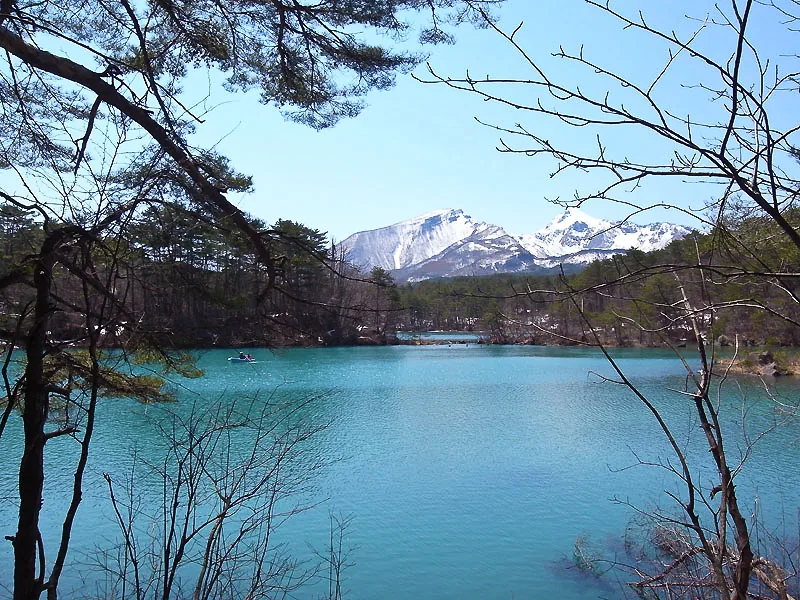

Fukushima for First-Time Visitors
Choose the right region, season and transport plan—and avoid the assumptions that make a first Fukushima trip harder than it needs to be.
Open guide →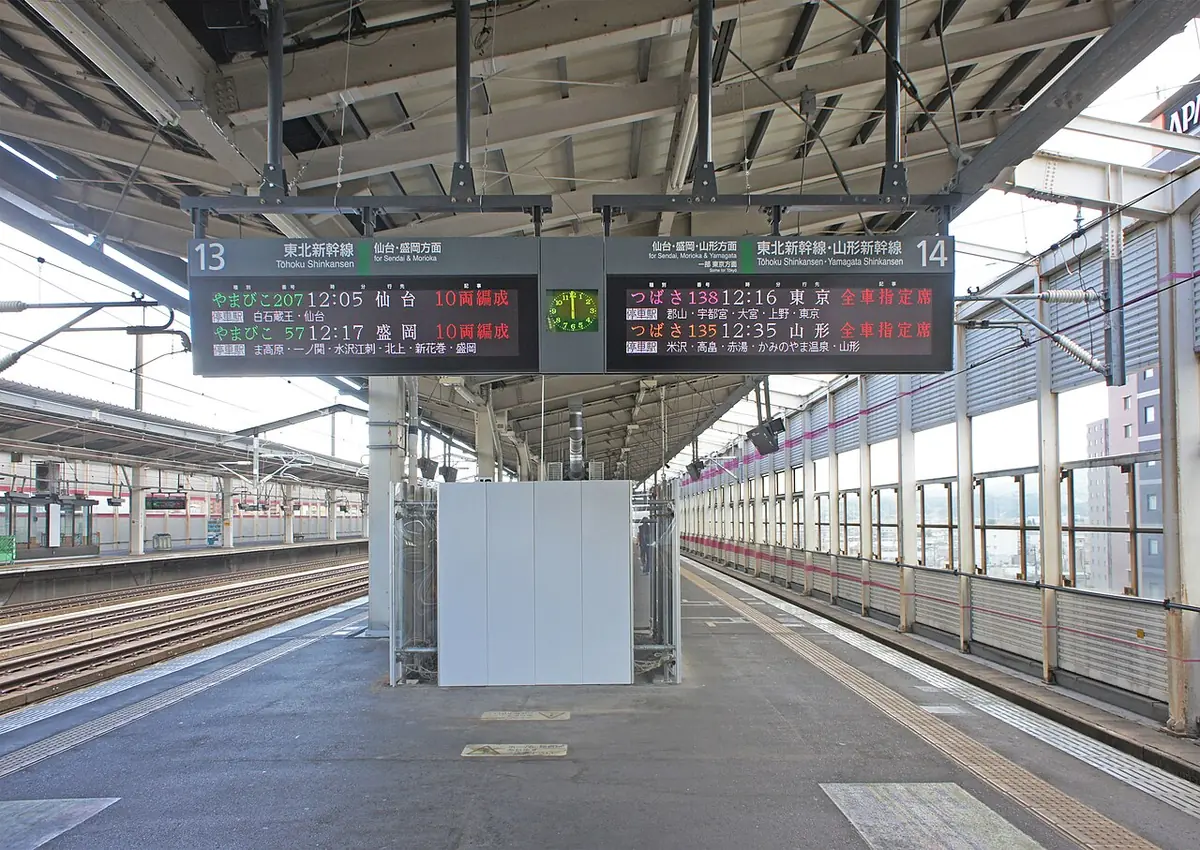

Tokyo to Fukushima Without a Car
Understand Fukushima’s rail gateways, ticket choices and the local connections that matter after the Shinkansen.
Open guide →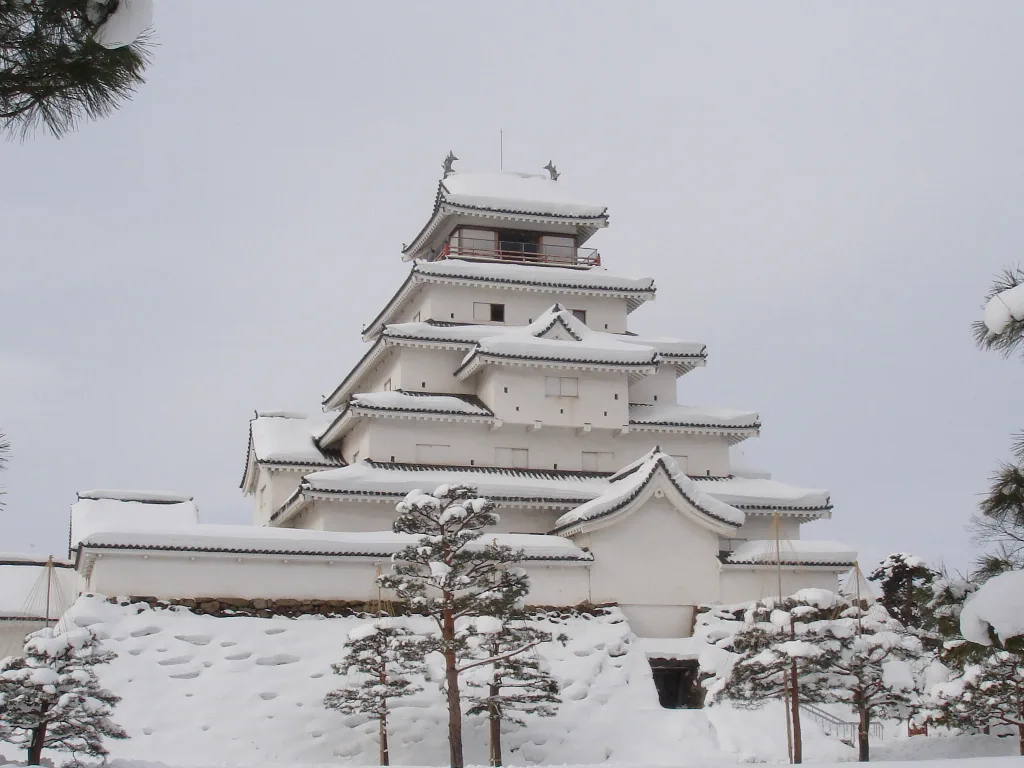

A Practical 3-Day Fukushima Itinerary
A realistic Aizu-based route with samurai history, an onsen stay and an optional rural day—without renting a car.
Open guide →Official sources
- Safety in FukushimaFukushima Travel · checked 16 August 2026
- Transition and Current Status of Air Dose Rates in Fukushima PrefectureFukushima Prefecture · checked 16 August 2026
- Monitoring Inspections and Surveys in Fukushima PrefectureFukushima Prefecture · checked 16 August 2026
- Food Safety and Drinking Water: Recent Radiation TestingReconstruction Agency · checked 16 August 2026
- Levels of Radioactive Materials in Foods Tested in Respective PrefecturesMinistry of Health, Labour and Welfare · checked 16 August 2026
- Sea Area Monitoring Associated with ALPS Treated WaterFukushima Prefecture · checked 16 August 2026
- Transition of Evacuation-designated ZonesFukushima Prefecture · checked 16 August 2026