At a glance
independent international travelers visiting Fukushima for the first time
Fukushima
12 min read
16 August 2026
Reconfirm changing details with the listed responsible organizations. Source check: 16 August 2026.
Fukushima is not a single sightseeing district. It is Japan’s third-largest prefecture, stretching from mountain basins in the west to the Pacific coast in the east. That scale is part of its appeal—samurai history, hot-spring towns, volcanic landscapes, fruit farms and coastal communities all fit under one prefectural name—but it is also the first planning trap.
For a satisfying first visit, choose one travel theme and one main region. Do not collect attractions on a map and assume they connect as easily as places inside Tokyo or Kyoto. The Shinkansen makes the main gateways straightforward; the final bus, local train or hotel transfer often determines whether the day actually works.
First, understand Fukushima’s three regions
Aizu, in the west, is the strongest first choice for travelers interested in history, traditional townscapes and onsen. Aizu-Wakamatsu is the main base. Tsurugajo Castle, Nanokamachi-dori, Mt. Iimoriyama and nearby hot-spring areas can be combined using local buses, walking and occasional taxis. Ouchi-juku and the mountain railways are possible without a car, but they require more timetable discipline.
Nakadori, the central corridor, contains Fukushima and Koriyama stations on the Tohoku Shinkansen. It works well for a shorter stay, a rail-based stop between Tokyo and Sendai, or access to places such as Iizaka Onsen. Koriyama is the main transfer point for Aizu-Wakamatsu. Fukushima City is a useful gateway for the north of the prefecture. Some mountain and seasonal attractions outside the cities are much less convenient by public transport.
Hamadori, along the Pacific, includes Iwaki and communities affected by the 2011 earthquake, tsunami and nuclear accident. Visitors can learn about recovery and contemporary life, but should plan this as a distinct journey rather than an add-on to western Fukushima. Access restrictions remain in designated areas, and a responsible visit requires current official information and respect for communities whose recovery is ongoing.
If you have three days and will not rent a car, Aizu is the easiest region around which to build a coherent first itinerary. If you have only one night, staying near Fukushima, Koriyama or an onsen connected to those hubs reduces transfer risk.
Fukushima is close to Tokyo—but not compact
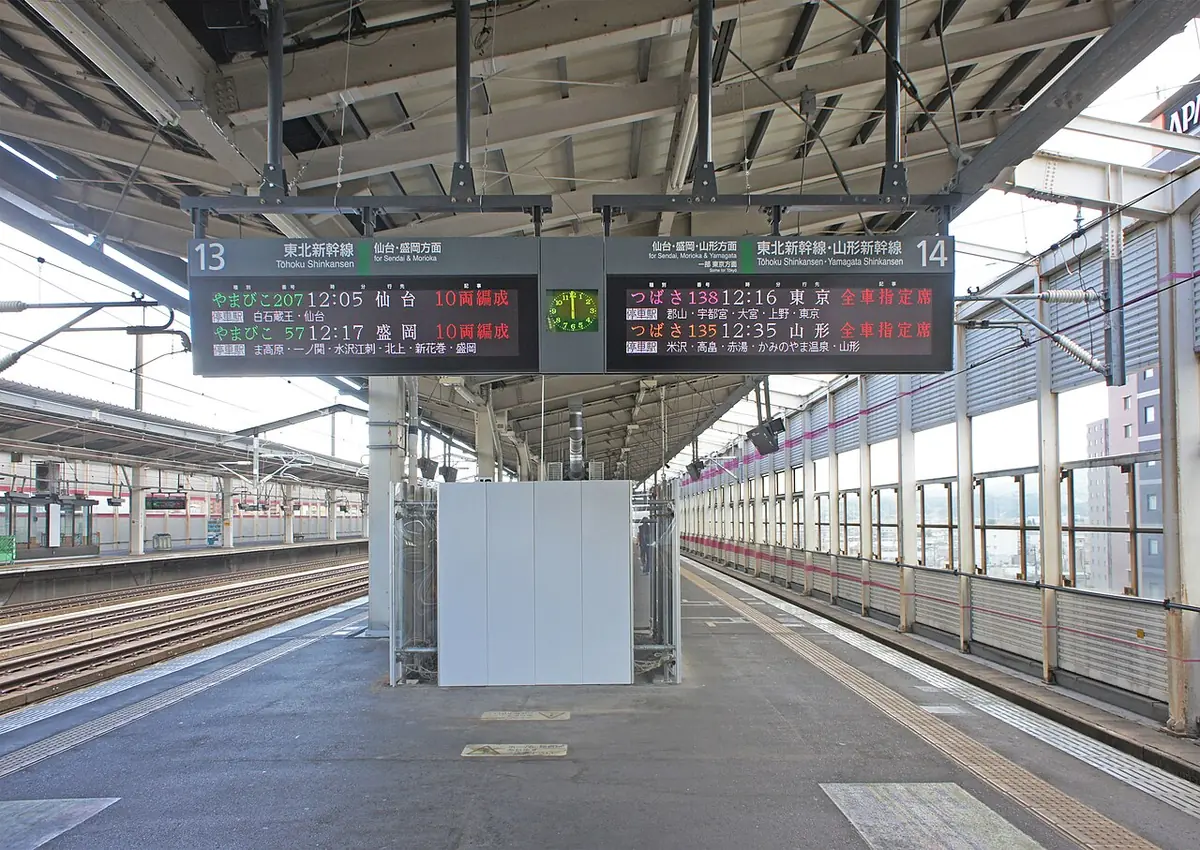
The Tohoku Shinkansen connects Tokyo with Koriyama and Fukushima. Fukushima Travel describes the direct journey to the Fukushima City area as roughly 90 minutes, but the exact time, train type, seat availability and price depend on your date and service. Use the official JR East reservation or route-search tools for the trip you will actually take.
The important planning question is not only “How long from Tokyo?” It is “What happens after I leave the Shinkansen?” Reaching Aizu-Wakamatsu normally means changing at Koriyama for the JR Ban-etsu West Line. Reaching a rural village may add a local railway, a bus with limited departures, or a taxi. A destination that looks close on a map can require most of a day when connections do not align.
Build buffers into arrival and departure days. Do not schedule a non-refundable experience immediately after a long chain of transfers. In winter, allow more margin and check operator notices again on the morning of travel.
Decide whether “car-free” suits your trip
You can have an excellent car-free Fukushima holiday if you design it around transport hubs. Aizu-Wakamatsu, central Fukushima City, Iizaka Onsen and several established sightseeing routes are realistic choices. Local rail travel can also be part of the experience rather than merely a compromise.
A car becomes more useful when your priorities are remote trailheads, scattered scenic viewpoints, multiple rural restaurants, farm visits or a fast loop across regions. Some mountain roads close seasonally, and winter driving requires appropriate tires and experience with snow and ice. Renting a car should not be treated as an automatic solution for a visitor unfamiliar with those conditions.
For every rural stop, confirm four things on an official page: the outward service, the return service, how payment works, and the backup option if you miss it. “Accessible by bus” may still mean only a few useful departures per day.
Choose a season with the transport in mind
Spring blossom periods are popular, but flowering dates vary each year and famous sites can become busy. Summer is green and festival-rich, with heat and humidity in lower areas. Autumn color moves through the mountains and cities at different times. Winter brings snow scenery and onsen appeal, especially in Aizu, but also the greatest chance of delays and difficult walking conditions.
Fukushima’s elevation and east–west geography create meaningful weather differences. A forecast for Fukushima City does not describe conditions in Urabandai or a snowy Aizu village. Check the Japan Meteorological Agency forecast for the relevant municipality, then check the transport operator and attraction itself.
Pack footwear for the least forgiving part of your route. In winter, smooth-soled city shoes can turn a short walk from a station into the hardest part of the day. In warmer months, water and sun protection matter even when Tokyo weather felt manageable.
Book the parts that have consequences
Shinkansen seats, ryokan stays with dinner, private baths, guided experiences and scarce rural transport deserve attention before departure. A ryokan dinner is not the same as arriving at a city hotel and choosing a restaurant later: the property may purchase and prepare food for a fixed serving time, and a late arrival can mean missing the meal without a refund.
When booking a ryokan, read the plan inclusions carefully. Confirm whether the rate includes dinner, breakfast, bathing tax, a private bathroom and station pickup. If pickup is available, check the reservation deadline and exactly where to meet. “Shuttle available” does not always mean an on-demand service.
For allergies, vegetarian food or religious restrictions, contact the property before booking whenever possible. Describe ingredients you cannot eat rather than relying only on broad labels. Dashi, sauces and shared kitchens can make requests more complex than they first appear. A property may reasonably say that it cannot guarantee a suitable meal; that is useful information, not poor hospitality.
Carry more than one way to pay
Major hotels, stations and larger shops often accept cards, but rural transport and small businesses may not. Aizu Railway’s official boarding guide, for example, states that its fares cannot be settled by credit card or transport IC card and advises passengers to carry cash. This is exactly the kind of last-mile detail that a Tokyo-only travel habit can miss.
Keep some yen in smaller denominations, especially on local lines and buses. Do not assume that a nationwide transport IC card will work on every private railway or bus. Ask before tapping if the payment method is unclear, and avoid relying on a large banknote for a small fare.
Mobile connectivity is useful for translation and disruption notices, but do not make it your only plan. Save accommodation addresses, key Japanese place names and the final return timetable offline. In remote or mountainous areas, coverage and battery life can become practical constraints.
Treat luggage as part of the route
Large suitcases are manageable on the Shinkansen but awkward on local buses, narrow platforms and snow-covered streets. For a short regional trip, consider forwarding your largest bag between major hotels and carrying a smaller overnight bag. Confirm delivery timing with the forwarding company and your accommodation; same-day delivery should never be assumed.
Station lockers vary in size and availability. A listing that says “lockers available” does not guarantee a large empty locker when you arrive. Ask your hotel whether it can hold luggage before check-in or after checkout, and get that answer before building a transfer day around it.
Plan with current information, not screenshots
Save official links rather than screenshots of timetables. Recheck them shortly before travel and on the day when weather is uncertain. For the Shinkansen, use JR East. For local movement, consult the railway or bus operator as well as Fukushima Travel. For opening hours, use the attraction’s own page when available.
Fukushima rewards a slower plan. Two well-connected areas, an onsen evening and room for an unexpected local stop will usually produce a better trip than racing across the prefecture. The goal is not to prove that every place can be reached without a car. It is to know which version of Fukushima you can enjoy without spending the holiday worrying about the next connection.
Put the guide on the map
Towns and routes mentioned here
A Shinkansen gateway with music history, orchard landscapes and three distinct onsen districts.
Town guideAizu-WakamatsuA castle town where the Boshin War, samurai education and living craft traditions remain legible in the streets.
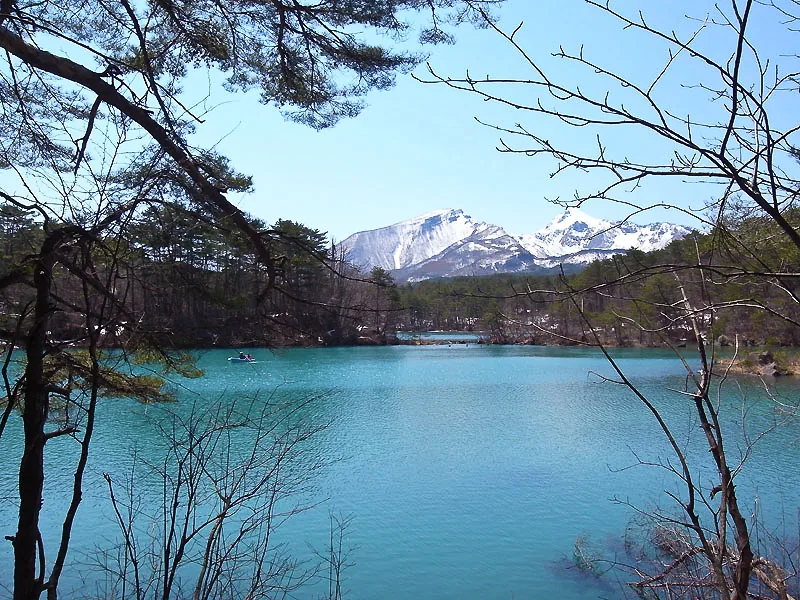
Town guideKitashiobaraA highland village shaped by volcanic change, colored ponds, lakeside trails and winter snow.
Suggested routeFukushima’s three regions by railA realistic multi-base sampler—Nakadori first, Aizu second and Hamadori last—without pretending the prefecture is compact.
Keep planning
Read next

Tokyo to Fukushima Without a Car
Understand Fukushima’s rail gateways, ticket choices and the local connections that matter after the Shinkansen.
Open guide →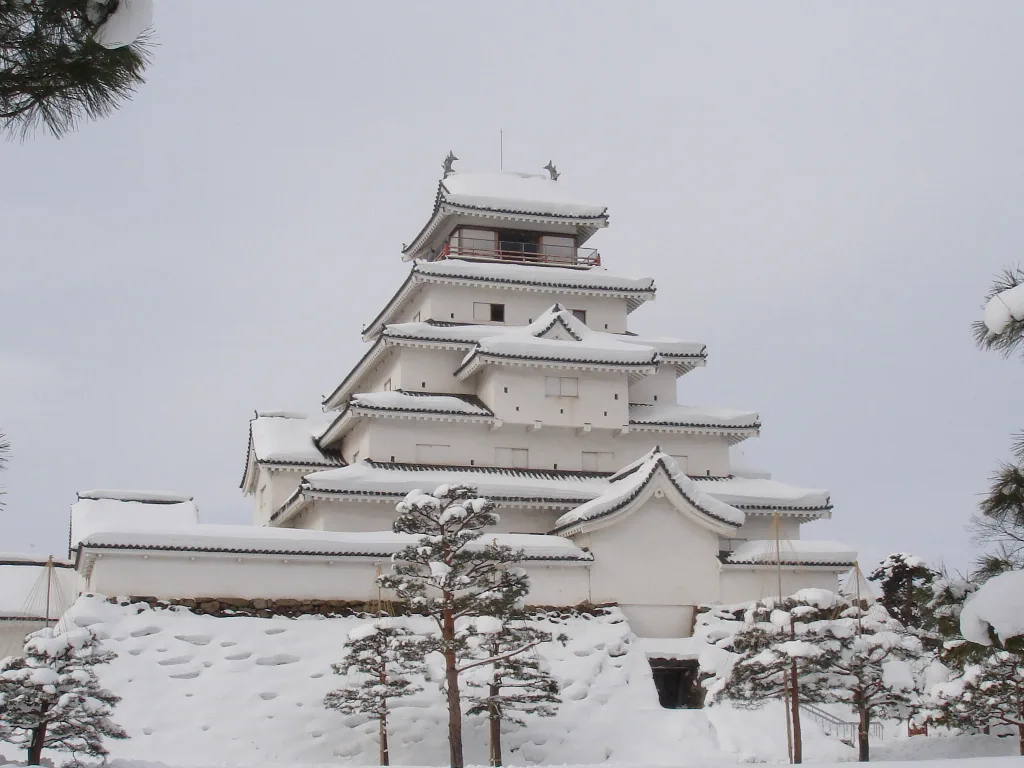

A Practical 3-Day Fukushima Itinerary
A realistic Aizu-based route with samurai history, an onsen stay and an optional rural day—without renting a car.
Open guide →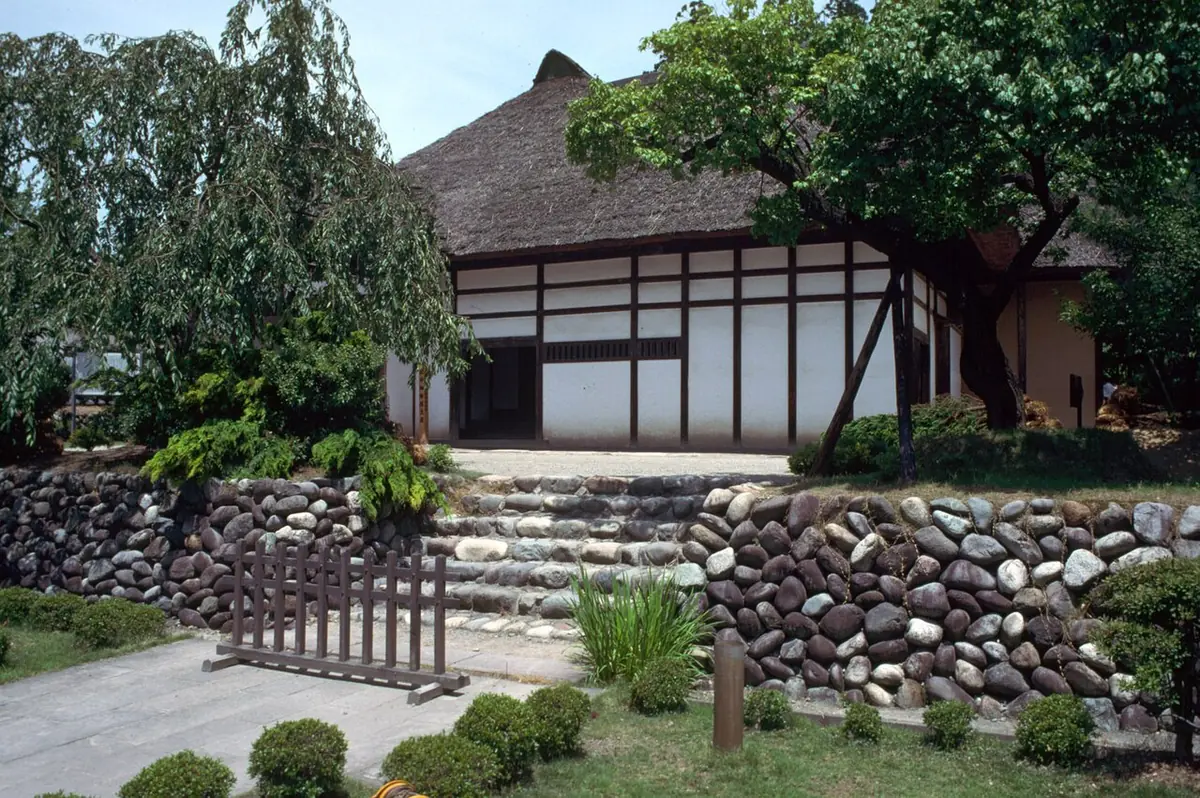

Why Aizu-Wakamatsu Is Worth the Trip
A castle town with samurai history, walkable streets, living crafts, local food and onsen access—plus the practical reasons it works for a first Fukushima visit.
Open guide →Official sources
- Access: How to Visit FukushimaFukushima Travel · checked 16 August 2026
- Getting Around Fukushima PrefectureFukushima Travel · checked 16 August 2026
- Fukushima Destination GuideJapan National Tourism Organization · checked 16 August 2026
- Safety in FukushimaFukushima Travel · checked 16 August 2026
- Aizu AreaFukushima Travel · checked 16 August 2026