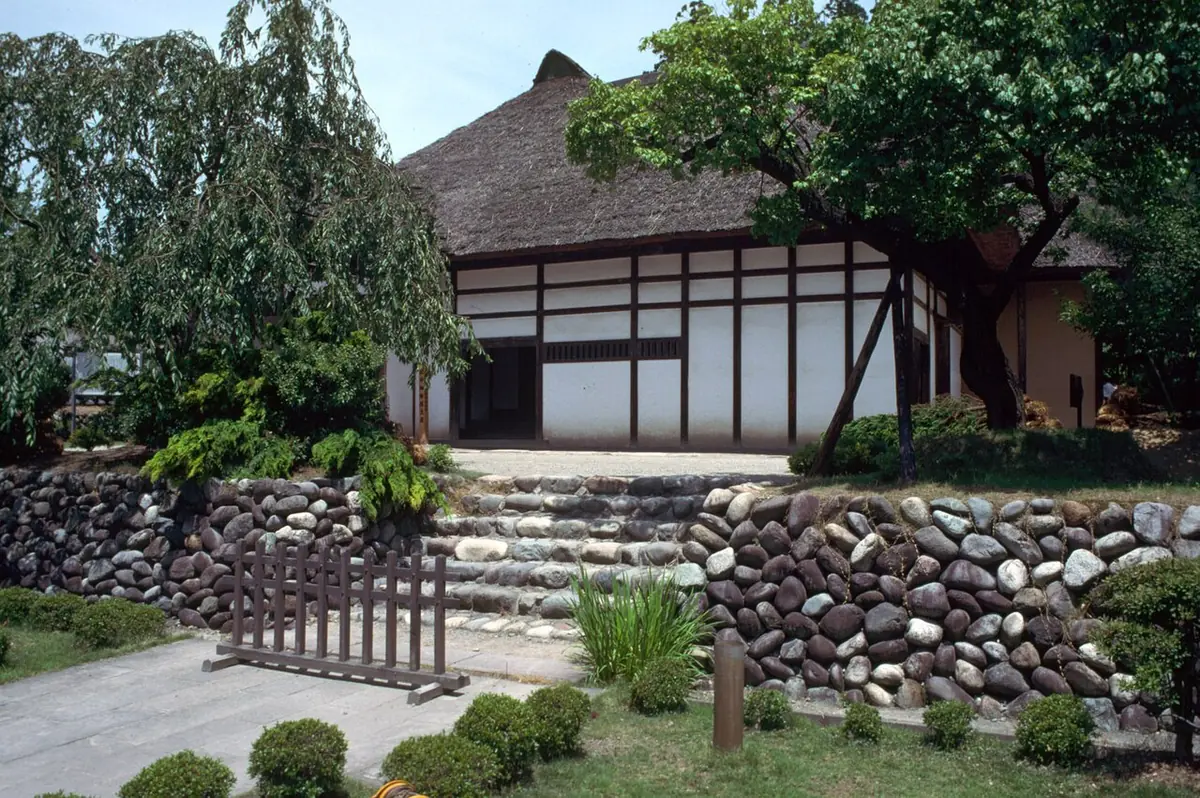
At a glance
travelers deciding whether to add Aizu-Wakamatsu to a Japan itinerary
Aizu
11 min read
16 August 2026
Reconfirm changing details with the listed responsible organizations. Source check: 16 August 2026.
Aizu-Wakamatsu is the kind of place that can change the shape of a Japan trip. It is not a miniature Kyoto, and it is more than a castle stop. The city brings together a dramatic samurai history, neighborhoods that still feel lived in, distinctive craft traditions and easy access to mountain villages and hot springs.
It also works at a practical level. You can reach it by rail, base yourself near the center and see meaningful places without renting a car. That combination—strong identity plus manageable logistics—makes Aizu-Wakamatsu one of the best first introductions to Fukushima.
Here are eight reasons to consider staying rather than passing through.
1. Tsurugajo gives the city a powerful center
Tsurugajo Castle is Aizu-Wakamatsu’s visual anchor. The present keep is a reconstruction, but the site, stonework and story are central to understanding the city. The official city tourism feature explains that the castle’s history began in the 14th century and that it endured a month of fighting during the Boshin War before being demolished in the Meiji period. The keep was rebuilt in 1965.
Its red roof tiles set it apart visually, while the interior provides historical context and the upper level opens across the Aizu basin. The surrounding grounds make the castle more than a quick photograph: stone walls, moats and the Rinkaku tea room reward a slower visit.
Check the official attraction page for current admission, opening hours and closures. The public park and the paid interior do not necessarily follow the same access conditions.
2. The samurai story extends beyond the castle
Aizu’s history is visible at several sites, and they tell different parts of the story. Mt. Iimoriyama is associated with the Byakkotai, the teenage samurai unit whose deaths became one of the best-known episodes of the Boshin War. Nearby Sazaedo is an unusual wooden temple with a double-helix internal route.
The city’s official listings also include the Aizu Bukeyashiki samurai residence and Nisshinkan, the former domain school reconstructed outside the central area. Do not try to fit every history site into one rushed afternoon. Choose the castle plus one deeper stop, then leave room to understand what you are seeing.
Some locations involve slopes or stairs. Confirm accessibility before travel if that affects your route, and use the city’s current sightseeing bus information rather than an old route map.
3. Nanokamachi works as a real town walk
Nanokamachi-dori and the streets around central Aizu-Wakamatsu offer a different pace from the castle. Storehouses, wooden shops and Western-influenced buildings from later periods sit among cafes, businesses and everyday streets. The official cityscape guide presents the area as a walk through the town’s layered history, not a preserved open-air museum.
That makes it useful for travelers who enjoy details: shop fronts, small shrines, painted candles, lacquerware and a coffee stop between major sights. It is also a good counterweight to a history-heavy itinerary.
Opening days vary by business, and a street can feel very different in the evening or on a quiet weekday. Identify one or two places you genuinely want to enter, but let the walk itself remain flexible.
4. Aizu’s crafts are still part of the visit
Aizu lacquerware, painted candles, cotton textiles and nearby Aizu Hongo pottery are not decorative footnotes. They are part of the region’s working culture. Official tourism materials list workshops, specialist stores and hands-on activities, although reservation rules and language support vary.
A useful craft visit should answer more than “Where can I buy a souvenir?” Look for an explanation of materials and process, then choose an object whose construction you understand. If you want a workshop, confirm the required time, age limits, drying or shipping arrangements, and whether instructions are available in English.
Real lacquer can cause skin reactions before it is fully cured. Follow the workshop’s handling instructions rather than treating every lacquer-related activity as identical.
5. The food belongs to the place
Aizu food is shaped by a mountain basin, preservation traditions and ceremonial hospitality. Kozuyu is a clear soup associated with celebrations and commonly includes dried scallop stock, vegetables, mushrooms, konjac noodles and small pieces of wheat gluten. Sauce katsudon, herring pickled with sansho and wappa-style dishes show other sides of the local table.
Sake is equally important to the region’s identity. A brewery visit can add context, but tasting availability, tour languages and reservations differ. Drinking is optional; brewery shops and displays can still be worthwhile for visitors who do not consume alcohol.
Travelers with allergies or vegetarian requirements should ask about stock, sauces and garnishes. A dish that looks vegetable-based may use fish stock, while kozuyu commonly contains both dried scallop and wheat.
6. Onsen can be part of the city plan, not a separate expedition
Higashiyama Onsen and Ashinomaki Onsen give Aizu-Wakamatsu a useful relationship with hot-spring travel. You can combine city history with a ryokan night instead of choosing between culture and onsen.
The practical details decide whether this feels restorative. Confirm the final bus or property shuttle, the pickup reservation deadline, dinner arrival time and tattoo policy before booking. A remote-looking bath photograph does not tell you whether the property works with your train.
If this is your first ryokan stay, read our onsen and ryokan guide before selecting a meal plan or private bath.
7. It is a strong base for Ouchi-juku and Kitakata
Aizu-Wakamatsu sits at the center of several compelling side trips. Ouchi-juku lies south via the Aizu Railway corridor and a limited bus connection from Yunokami Onsen Station. Kitakata lies north and is known for ramen, sake and storehouse streets. Urabandai and the Goshikinuma area add volcanic scenery, but public transportation requires closer seasonal planning.
The advantage is choice, not the ability to do everything at once. Ouchi-juku deserves most of a day without a car. Kitakata works well as a food-and-town excursion. Mountain nature may be better as its own day with current bus information.
Use Aizu-Wakamatsu as a base for one side trip, not three distant pins in a single day.
8. The city rewards an overnight stay
Day-tripping from Tokyo is technically possible only if the connections and your goals are modest, but it strips away much of the reason to come. An overnight stay gives you quieter early hours, an unhurried dinner and room for a second layer of the city beyond the castle.
Two nights create a better pattern: arrival and central sights, one focused side trip, then a final morning for food, crafts or a missed stop. This also gives your transport plan resilience if weather or a rural connection changes.
Aizu-Wakamatsu is worth the trip because it feels coherent. The history explains the city, the crafts and food keep that identity in the present, and the surrounding rail corridors open into a broader mountain region. Come for a castle if you like—but stay long enough to find the place around it.
Put the guide on the map
Towns and routes mentioned here
A castle town where the Boshin War, samurai education and living craft traditions remain legible in the streets.
Town guideShimogoA mountain town of post-road history, thatched roofs, river gorges and living village customs.
Town guideKitakataA compact storehouse city where ramen, sake and clean-water craft traditions reward an unhurried visit.
Suggested routeTwo days in the Aizu castle townA paced route through Tsurugajo, Iimoriyama, craft streets and an onsen evening.
Keep planning
Read next
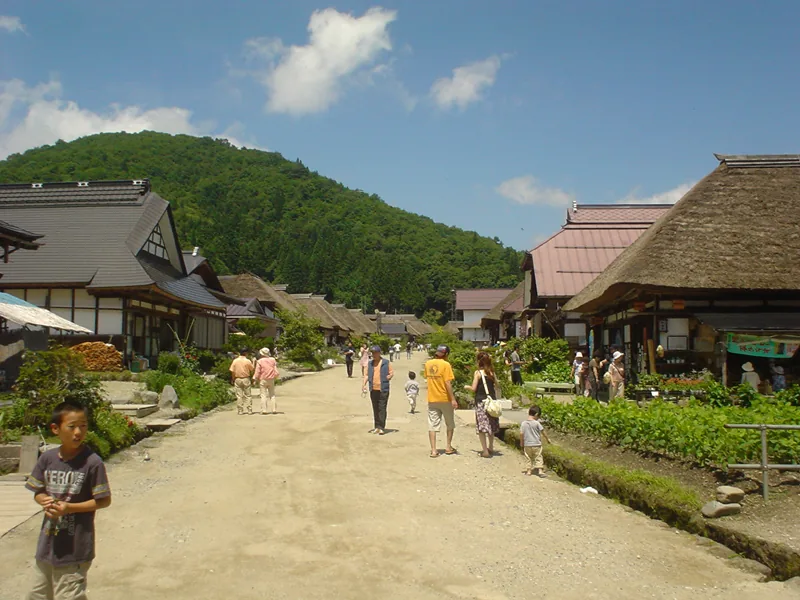

Ouchi-juku Without a Car
Plan the train, rural bus, cash and return connection for a realistic day trip to Fukushima’s thatched-roof post town.
Open guide →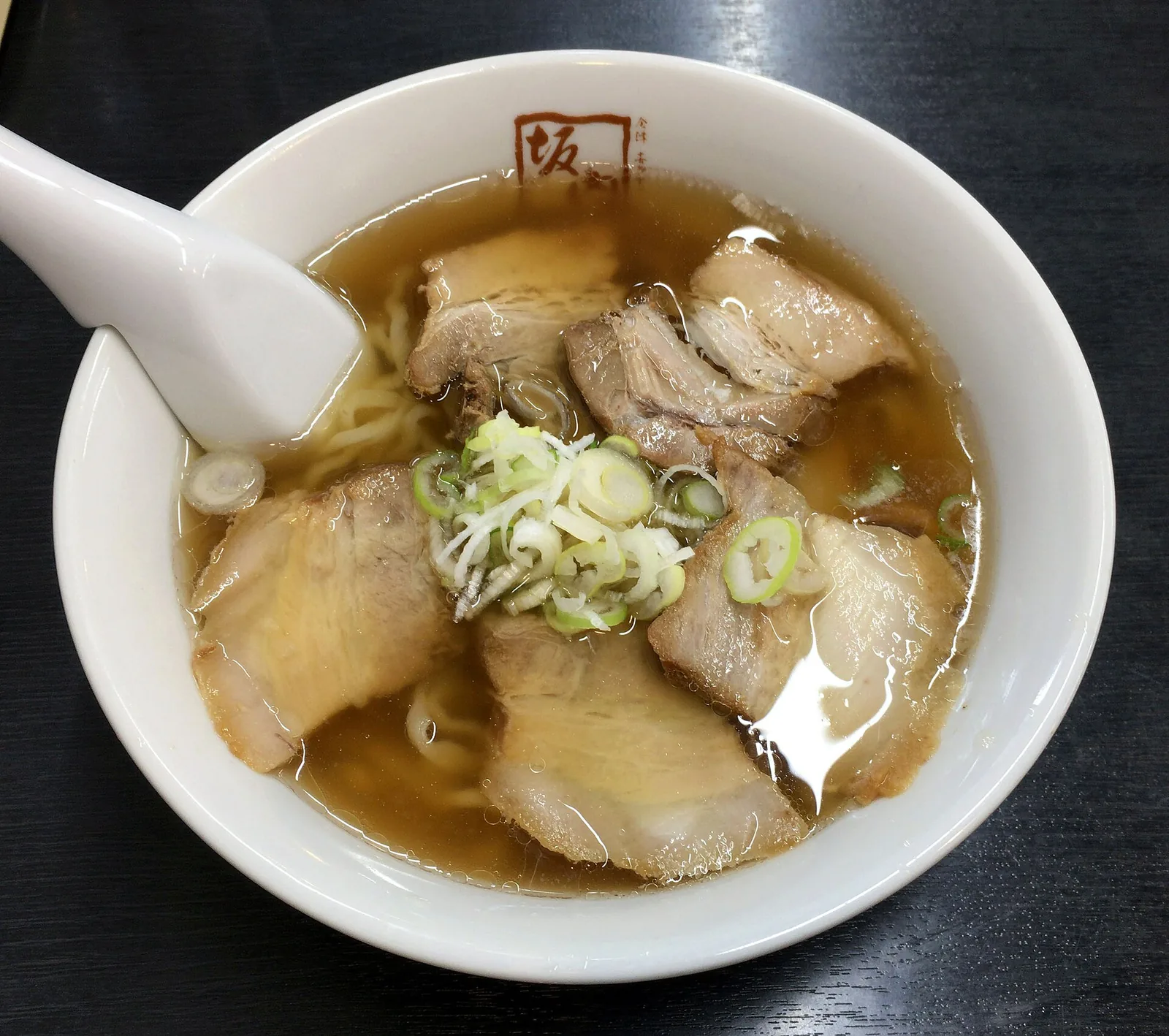

What to Eat and Drink in Fukushima
A practical introduction to Fukushima peaches, sake, Kitakata ramen, kozuyu and the local details that help you order with confidence.
Open guide →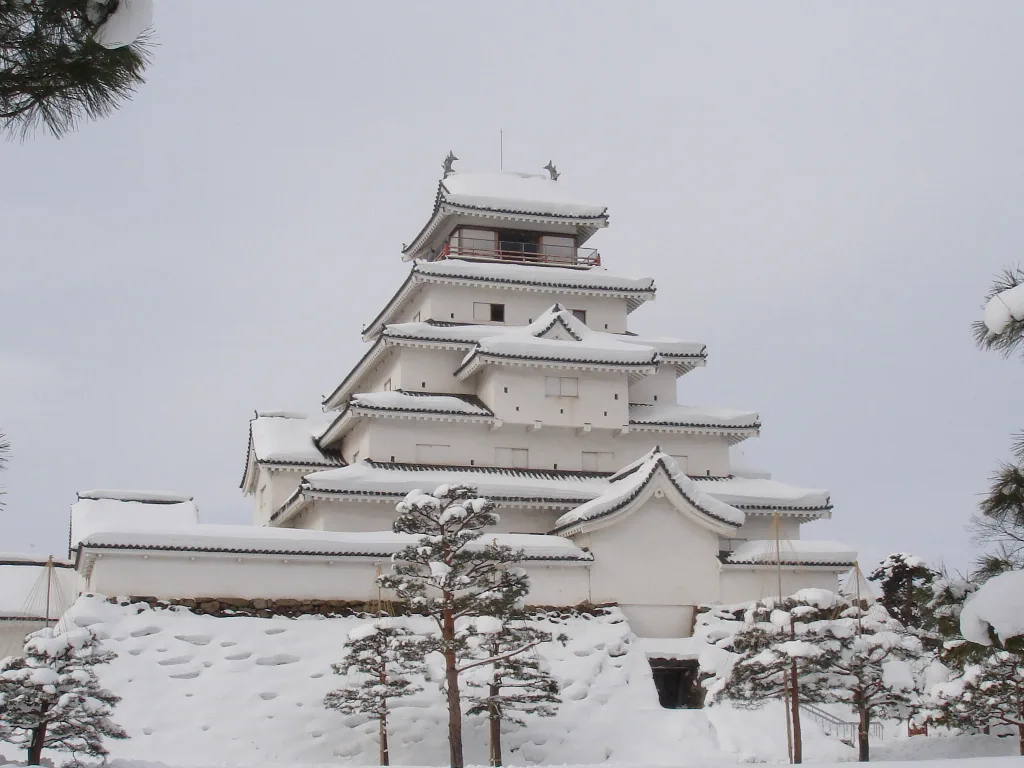

A Practical 3-Day Fukushima Itinerary
A realistic Aizu-based route with samurai history, an onsen stay and an optional rural day—without renting a car.
Open guide →Official sources
- Aizu-Wakamatsu Official Tourism GuideAizu-Wakamatsu Tourism Bureau · checked 16 August 2026
- The Appeal of Tsurugajo CastleAizu-Wakamatsu Tourism Bureau · checked 16 August 2026
- Walking Aizu-Wakamatsu’s Historic StreetsAizu-Wakamatsu Tourism Bureau · checked 16 August 2026
- Sightseeing and ExperiencesAizu-Wakamatsu Tourism Bureau · checked 16 August 2026
- Aizu-Wakamatsu Model CoursesAizu-Wakamatsu Tourism Bureau · checked 16 August 2026
- Aizu AreaFukushima Travel · checked 16 August 2026