At a glance
independent travelers visiting Ouchi-juku by train and bus
Aizu
11 min read
16 August 2026
Reconfirm changing details with the listed responsible organizations. Source check: 16 August 2026.
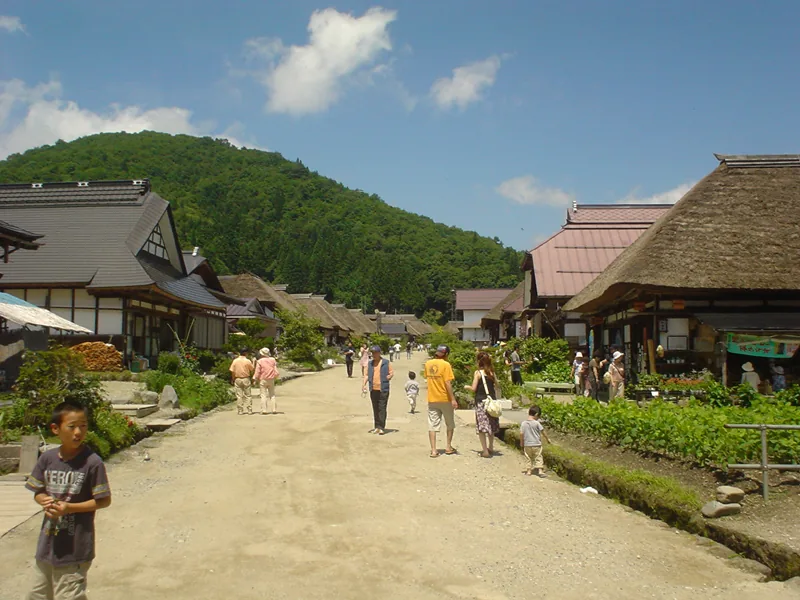
Ouchi-juku looks remote because it is remote: a preserved post town of thatched-roof buildings in the mountains south of Aizu-Wakamatsu. That is part of its appeal, but it also means a successful car-free visit depends on one short rural connection.
The basic route is simple to understand. Travel on the Aizu Railway to Yunokami Onsen Station, then use the Saruyugo bus to Ouchi-juku. The difficulty is frequency. The train and bus do not run like an urban subway, and missing the return bus can disrupt the rest of your day.
This guide explains how to build the trip. It deliberately does not copy a full timetable: use the current Aizu Railway Ouchi-juku page and the dated operator leaflet for your travel day.
Choose Aizu-Wakamatsu as the practical base
Aizu-Wakamatsu is the most useful base for most international visitors. From the city, travel toward the Aizu Railway corridor and Yunokami Onsen. Depending on the service, the route may involve Aizu-Wakamatsu or Nishi-Wakamatsu as the railway starting point; use the operator’s current route information when planning.
Attempting Ouchi-juku directly from Tokyo creates a long chain: Shinkansen to Koriyama, local rail to Aizu, Aizu Railway to Yunokami Onsen, then the bus. It can be done only with careful timing, but it turns a mountain village into a transport endurance test. Stay in Aizu-Wakamatsu and give Ouchi-juku most of a day.
If you are moving onward with luggage, leave large bags at your accommodation or a confirmed locker. Do not assume the rural bus can comfortably absorb several large suitcases.
Build the day backward from the return bus
Start with the last return connection you are willing to use. Then identify an earlier backup. Only after that should you choose the outbound train and bus.
This reverse-planning method protects the rest of your trip. It also tells you how much time you genuinely have in the village. A schedule that provides only a rushed visit or no reasonable backup is not a good schedule, even if every individual connection is technically possible.
The operator’s 2026 leaflet lists multiple Saruyugo departures, but a dated PDF is not a permanent promise. Service periods, holidays, weather and later revisions can affect operation. Reopen the official information shortly before travel and check notices on the morning of your visit.
Save the return options offline, but do not rely on a screenshot captured months earlier.
Understand tickets, cash and IC cards
Aizu Railway’s official riding guide says passengers boarding at an unmanned station may need to take a numbered ticket and settle the fare when leaving. The line does not operate exactly like an IC-card urban network. Follow the current operator instructions and carry enough yen in cash, including smaller denominations.
A combined rail-and-bus ticket may be available for Ouchi-juku. Whether it saves money is less important than whether it matches your starting station, travel date and planned return. Read the current product conditions rather than assuming every pass covers every train.
Do not make a contactless card your only payment method. Rural buses, small shops and food stalls may use cash even when another part of the trip accepts cards. Bring a second way to pay and obtain cash before leaving the city.
What happens at Yunokami Onsen Station
Yunokami Onsen is the nearest railway station for Ouchi-juku. The station itself is known for its thatched roof, but treat it first as a transfer point.
On arrival, identify the bus boarding place and confirm the displayed return information. Ask staff when available if the timetable you are using is current. If you have extra time, keep it as a buffer rather than wandering far from the stop before a limited bus.
The connection between train and bus may leave little room for confusion. Have the destination name available in Japanese—大内宿—and keep your ticket or numbered slip until the journey is complete.
How much time to allow in Ouchi-juku
Most visitors want to walk the main street, look closely at the thatched architecture and climb to the viewpoint above the village. Add time for a meal or small museum only if your return plan supports it.
The viewpoint path includes steps and can be slippery in rain, snow or ice. Footwear matters. Winter photographs may be beautiful, but snow changes walking speed and increases the cost of a missed connection.
Ouchi-juku is a living community and a protected historic environment. Stay on public routes, respect private areas and avoid blocking entrances for photographs. Drone use, commercial photography and access to interiors require the rules of the site or property concerned.
Businesses set their own hours and closing days. The village can still be visually rewarding when quiet, but do not promise yourself a specific meal without checking the business directly.
Food without the invented “must-eat” ranking
Negi-soba—buckwheat noodles sometimes eaten with a long green onion—is strongly associated with Ouchi-juku. Other regional dishes and snacks may also be available. Availability changes, and no single restaurant is required for a successful visit.
For allergies or vegetarian needs, ask about the broth. Soba may use fish-based dipping sauce, and buckwheat kitchens may also handle wheat. A visible list of toppings does not describe the stock or cross-contact risk.
Choose food based on current opening, your return bus and your dietary needs, not an undated online ranking. If a long line threatens your backup connection, leave it.
Seasonal conditions change the trip
Spring and autumn can be busy. Summer brings heat and limited shade in exposed areas. Winter creates the most dramatic scenery and the highest transport risk.
Snow can affect roads, bus operation and the path to the viewpoint. Wear shoes with grip and keep both hands available on icy steps. A winter car-free trip needs more buffer, not a tighter itinerary.
Weather can also change the experience without canceling transport. Heavy rain or fog may reduce the value of the viewpoint. Decide in advance what conditions would make an Aizu-Wakamatsu city day the better choice.
A resilient day-trip checklist
Before leaving your hotel, confirm:
- the Aizu Railway service to Yunokami Onsen;
- the matching Saruyugo bus;
- your intended return bus and an earlier or later backup;
- the final train connection back to your accommodation;
- ticket purchase and cash requirements;
- the day’s weather and transport notices; and
- where your luggage will remain.
If one of those pieces does not work, use a city-based alternative instead of improvising a taxi from a remote stop. Our three-day itinerary includes an Aizu-Wakamatsu backup day for exactly this reason.
Ouchi-juku without a car is realistic and rewarding. The key is not speed; it is treating the rural bus as the fixed point around which the whole day is built.
Put the guide on the map
Towns and routes mentioned here
A mountain town of post-road history, thatched roofs, river gorges and living village customs.
Town guideAizu-WakamatsuA castle town where the Boshin War, samurai education and living craft traditions remain legible in the streets.
Suggested routeAizu lakes, post towns and food cultureBuild a realistic circuit from the castle city to ramen streets, a mountain post town and the Bandai lake district.
Keep planning
Read next
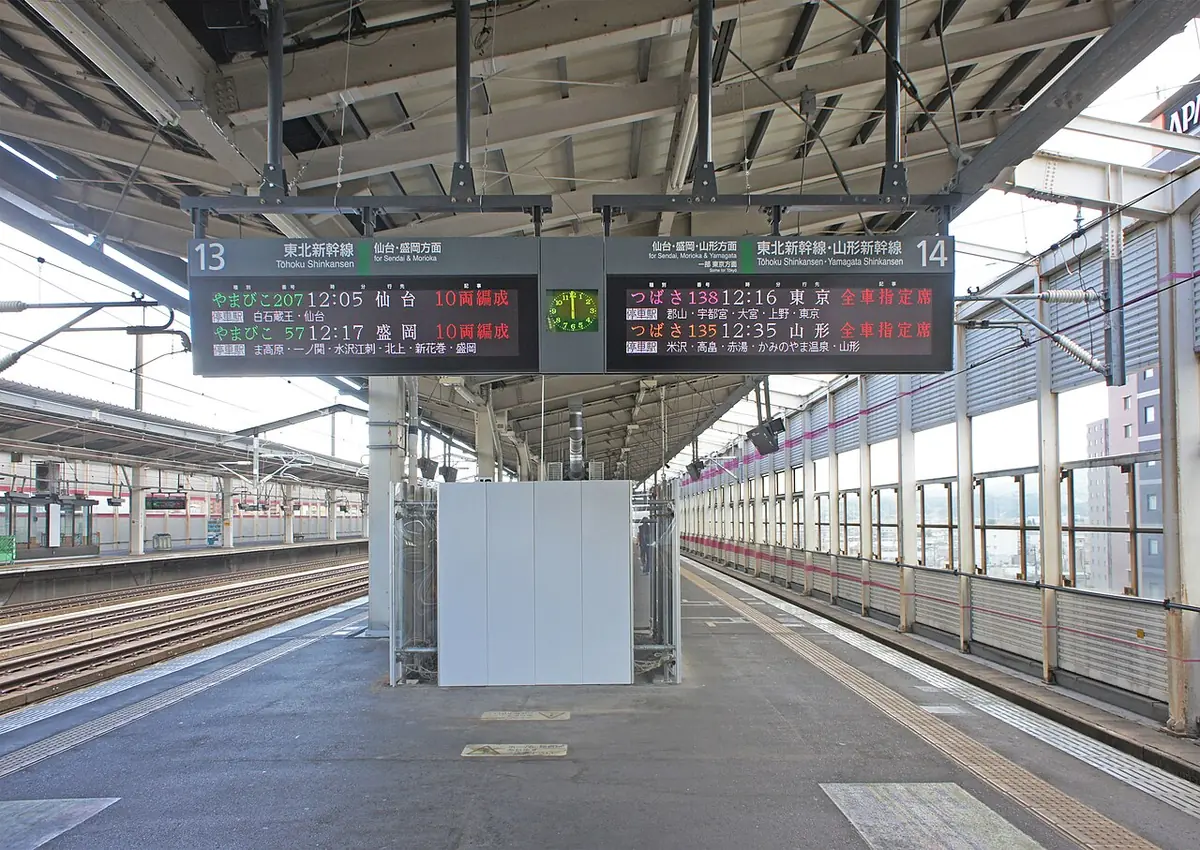

Tokyo to Fukushima Without a Car
Understand Fukushima’s rail gateways, ticket choices and the local connections that matter after the Shinkansen.
Open guide →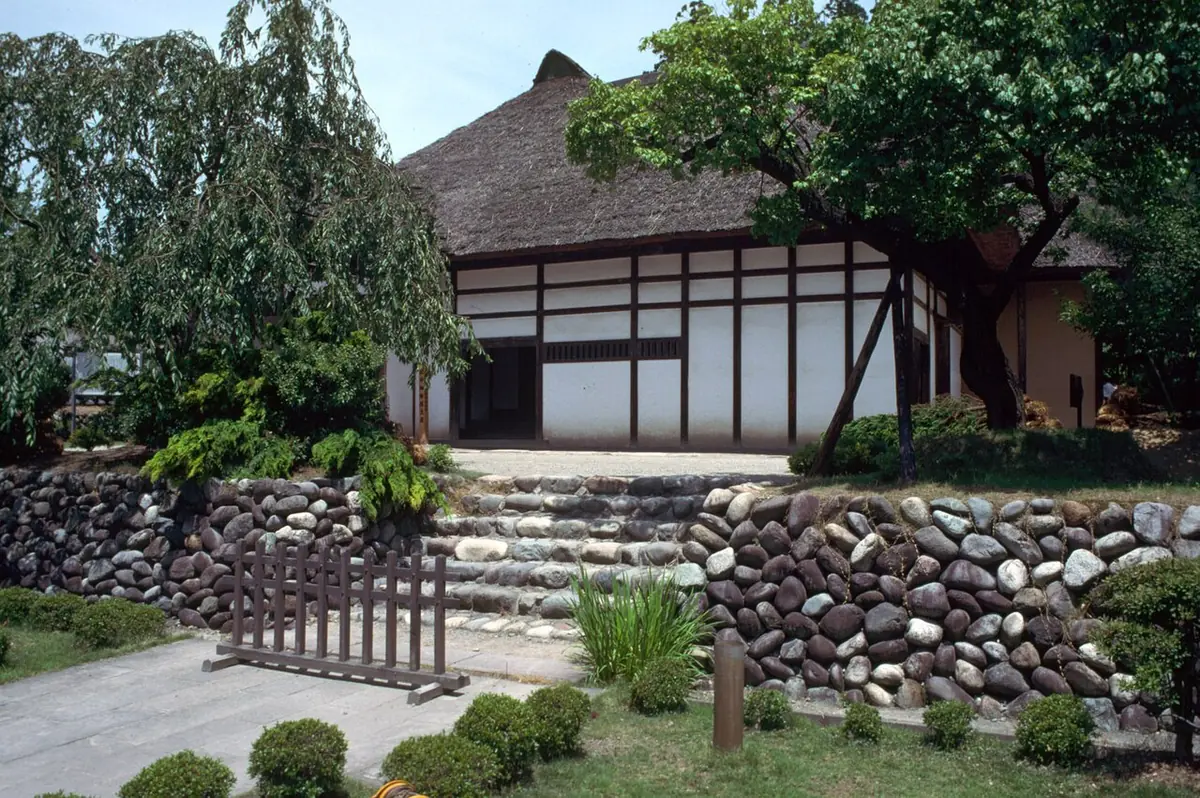

Why Aizu-Wakamatsu Is Worth the Trip
A castle town with samurai history, walkable streets, living crafts, local food and onsen access—plus the practical reasons it works for a first Fukushima visit.
Open guide →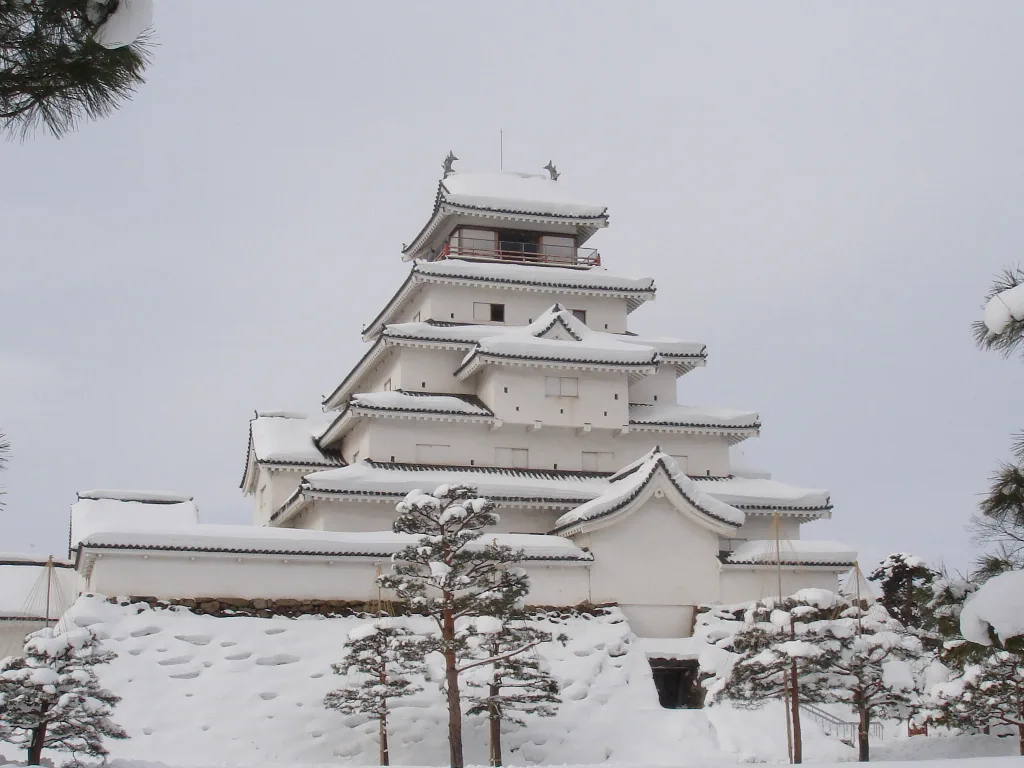

A Practical 3-Day Fukushima Itinerary
A realistic Aizu-based route with samurai history, an onsen stay and an optional rural day—without renting a car.
Open guide →Official sources
- Ouchi-jukuAizu Railway · checked 16 August 2026
- How to Ride the Aizu LineAizu Railway · checked 16 August 2026
- Saruyugo Bus and Ouchi-juku Combined Ticket 2026Aizu Railway · checked 16 August 2026
- Getting to Ouchi-jukuFukushima Travel · checked 16 August 2026
- Ouchi-juku Tourism AssociationOuchi-juku Tourism Association · checked 16 August 2026