At a glance
travelers starting in Tokyo and relying on public transportation
Fukushima
11 min read
16 August 2026
Reconfirm changing details with the listed responsible organizations. Source check: 16 August 2026.
Traveling from Tokyo to Fukushima without a car is straightforward—provided you choose the right gateway for the trip you want. The Tohoku Shinkansen carries you north quickly. The planning work begins after that, because Fukushima’s historic towns, onsen and mountain scenery sit on different branch lines and bus networks.
This guide does not reproduce a timetable or promise a fixed fare. Both can change, and the useful answer depends on your date, train and seat. Instead, it explains the route logic, the ticket decisions and the points where international travelers most often make an avoidable mistake.
Quick answer: which Fukushima station should you use?
| Your destination | Main gateway from Tokyo | What happens next |
|---|---|---|
| Fukushima City or Iizaka Onsen | Fukushima Station | Local train, bus or taxi depending on the stop |
| Aizu-Wakamatsu | Koriyama Station | Transfer to the JR Ban-etsu West Line |
| Ouchi-juku | Koriyama, then Aizu-Wakamatsu | Continue by regional rail to Yunokami Onsen and verify the limited bus |
| Iwaki and the Pacific coast | Search the exact destination | A limited-express or coastal connection may make more sense than the Shinkansen |
Search the complete journey for your date before buying a ticket. “Fukushima Station” is the city station, not a universal gateway for every destination in Fukushima Prefecture.
Pick the gateway before you buy a ticket
Use Koriyama Station for Aizu-Wakamatsu and much of central Fukushima. From Koriyama, the JR Ban-etsu West Line runs west toward Aizu-Wakamatsu. Koriyama is also a practical base when your plan involves locations around the center of the prefecture.
Use Fukushima Station for Fukushima City, Iizaka Onsen and the northern part of Nakadori. It is also a possible connection point for onward travel toward Yamagata. Fukushima Travel describes the direct journey from Tokyo to the Fukushima City region as about 90 minutes, but always search your actual service.
For Iwaki and the Pacific coast, check JR East’s limited-express and local route options rather than assuming the Shinkansen is the natural choice. The best route changes with your exact coastal destination. Hamadori is not a quick side trip from Aizu; treat it as its own travel area.
For Ouchi-juku and Minamiaizu, the usual car-free route runs through Aizu-Wakamatsu or the southern rail approach, then the Aizu Railway to Yunokami Onsen and a connecting bus. The bus is limited and may be seasonal. Check Aizu Railway and the bus operator together before committing to the day.
Choosing the gateway first prevents a surprisingly common problem: buying a ticket to “Fukushima” because it matches the prefecture’s name, when Koriyama would have been the useful transfer for Aizu.
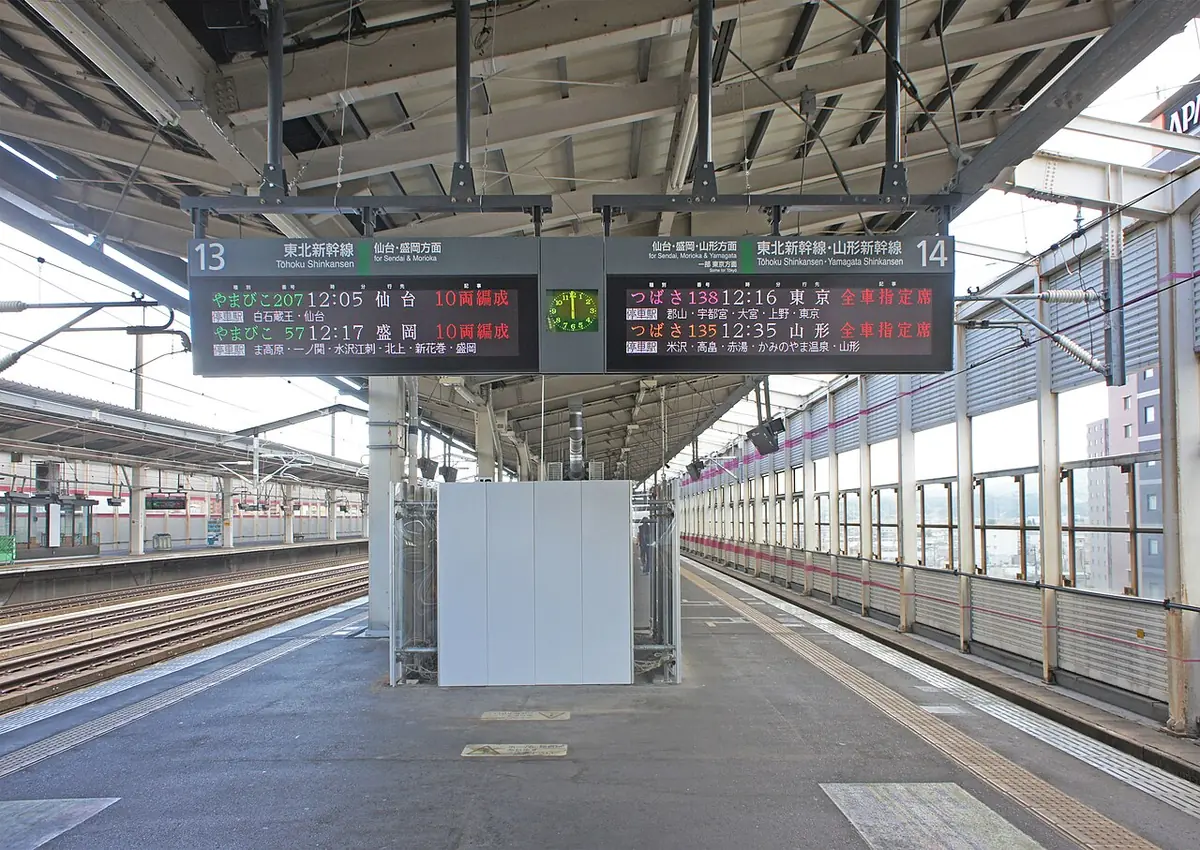
Tokyo Station to the Shinkansen platform
Tokyo Station is large. If you are arriving on another railway, allow time to find the JR Shinkansen gates. Follow signs for the Tohoku Shinkansen rather than any Shinkansen gate: the Tokaido Shinkansen uses a different operator and heads in the opposite direction.
If your ticket is digital, understand the boarding method before reaching the gate. JR East’s official English guidance says its Shinkansen e-ticket service requires membership in JR-EAST Train Reservation and a transport IC card linked to each traveler. One card is required per person. Paper-ticket options remain available, and may feel simpler for a first journey or a group whose cards and reservations are not already organized.
Different train names have different stopping patterns and seat rules. Do not board based only on the departure time displayed on a third-party app. Confirm that the train stops at Koriyama or Fukushima and that your ticket matches the train and seat.
Aim to reach the platform early enough to find your car number. Shinkansen trains stop precisely, and platform markings show where each car will arrive. Keep the aisle clear while organising luggage.
Reserved seats, non-reserved seats and passes
A reserved seat gives you a specific train, car and seat. It is a sensible choice during holidays, weekends, festival periods or when traveling with companions who want to sit together. Some Shinkansen services are all-reserved; check the service rather than assuming a non-reserved car exists.
A rail pass is not automatically cheaper. Compare the pass price and coverage with the journeys you will actually take. Pay attention to validity days, eligible trains, seat-reservation rules and whether the local operator after the JR segment is included. Private railways and local buses may require separate payment even when your main trip is covered.
When calculating value, include your return journey and any other long-distance JR travel, not hypothetical trips you might add simply to “use the pass.” Official JR East pages should be the final authority for eligibility and current conditions.
Transfer at Koriyama for Aizu-Wakamatsu
At Koriyama, leave the Shinkansen area and follow signs for conventional JR lines and the Ban-etsu West Line. Check the destination displayed for the train. Aizu-Wakamatsu is the principal western hub, but not every service or connection pattern is identical.
The connection can be easy when timings align and frustrating when they do not. Search the complete Tokyo–Aizu-Wakamatsu journey before leaving Tokyo, not only the Shinkansen leg. A fast arrival at Koriyama is of little value if you have just missed the onward train.
In winter, check JR East service notices before departure. Snow is part of the appeal of Aizu but can affect operations. Keep accommodation contact details accessible and avoid making a dinner-inclusive ryokan booking that depends on an unrealistically tight last connection.
Once at Aizu-Wakamatsu, local sightseeing buses serve major areas including Tsurugajo Castle and Nanokamachi. Confirm the current route, boarding point, frequency and payment method with the operator. A taxi can be a useful tool rather than a failure of car-free planning, especially when shared by two or more people or used to protect a critical connection.
Continue to Ouchi-juku carefully
Ouchi-juku is possible as a public-transport day trip, but it is not a turn-up-anytime urban attraction. Aizu Railway identifies Yunokami Onsen as the nearest station and points visitors to the connecting bus. The rail and bus schedules must work in both directions.
Write down the last practical return option before leaving. Check whether the bus operates on your date, whether advance booking is needed and where it departs. Do not rely on a generic map’s estimated journey time.
Aizu Railway’s boarding guide contains another crucial detail: credit cards and transport IC cards cannot be used to settle ordinary fares on the line, and cash is required. At unmanned stations, you may take a numbered ticket when boarding and pay on exit. Doors on local trains may require a button press. These procedures are ordinary in regional Japan, but unfamiliarity can make a calm journey feel confusing.
Carry small-denomination yen and allow time to ask staff. Save the Japanese characters for your destination—大内宿 for Ouchi-juku and 湯野上温泉 for Yunokami Onsen—in case an English display is unavailable.
Luggage can decide whether the route works
Shinkansen travel with a suitcase is usually manageable, but onward local travel changes the calculation. A crowded bus, a rural station without a lift, or an icy street is much easier with an overnight bag.
For a multi-city Japan trip, consider forwarding your main suitcase between major accommodations and taking a smaller bag into Aizu. Confirm that both hotels accept the service and allow enough delivery time. Do not assume your bag will arrive the same day.
If you plan to use a station locker, treat it as a convenience rather than a guarantee. Large lockers can fill. Ask your accommodation about luggage storage and note its reception hours.
Build a resilient day, not a perfect spreadsheet
Public-transport planning tools can produce an itinerary with two-minute transfers and no room for a wrong platform. Rural travel benefits from a different approach. Protect the connections that matter and leave space around everything else.
Before departure, save these five items offline:
- Your full route, including the local leg after the Shinkansen.
- The official service-status pages for JR East and any local operator.
- The address and telephone number of your accommodation in English and Japanese.
- The last realistic return service from a rural destination.
- A backup taxi number or an alternative attraction near your base.
Recheck the route the evening before and again in the morning when snow, heavy rain or strong wind is forecast. If a rural connection is cancelled, do not improvise a long walk along an unfamiliar road.
The simplest car-free choices
For a first trip, three patterns are particularly robust: Tokyo–Fukushima City with Iizaka Onsen; Tokyo–Koriyama–Aizu-Wakamatsu with city sightseeing; or Tokyo–Aizu-Wakamatsu followed by a carefully verified Ouchi-juku day. Each concentrates the trip around a transport spine.
The mistake is trying to combine all three Fukushima regions in a weekend. A better car-free journey uses the Shinkansen for reach, a local line for character and enough time to enjoy the place between them.
Frequently asked questions
How do I get from Tokyo to Fukushima by train?
Use the JR East Tohoku Shinkansen from Tokyo. Choose Fukushima Station for Fukushima City and Koriyama Station for Aizu-Wakamatsu, then confirm the local connection for your date.
Can I travel around Fukushima without a car?
Yes, when the itinerary follows a rail corridor and allows for limited rural buses. Aizu-Wakamatsu and Fukushima City are straightforward bases; Ouchi-juku requires a more careful timetable check.
How do I get from Sendai Station to Fukushima Station?
Search JR East for the exact date and choose a service that stops at Fukushima Station. The Shinkansen is the direct rail spine, while local services take longer. Confirm the stopping pattern and ticket rules before boarding.
Put the guide on the map
Towns and routes mentioned here
A Shinkansen gateway with music history, orchard landscapes and three distinct onsen districts.
Town guideAizu-WakamatsuA castle town where the Boshin War, samurai education and living craft traditions remain legible in the streets.
Town guideIwakiA Pacific city whose coal-mining history was transformed into a distinctive modern culture of hula, hot springs and resilience.
Suggested routeFukushima’s three regions by railA realistic multi-base sampler—Nakadori first, Aizu second and Hamadori last—without pretending the prefecture is compact.
Keep planning
Read next
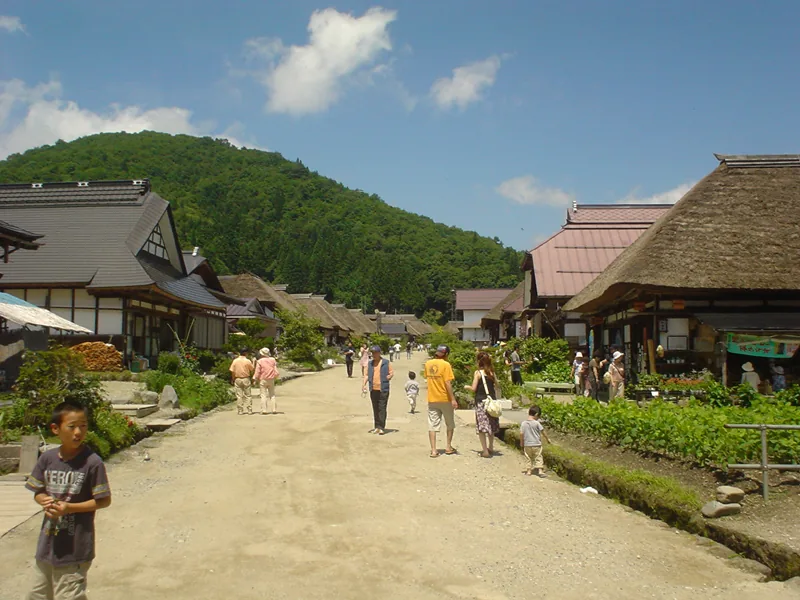

Ouchi-juku Without a Car
Plan the train, rural bus, cash and return connection for a realistic day trip to Fukushima’s thatched-roof post town.
Open guide →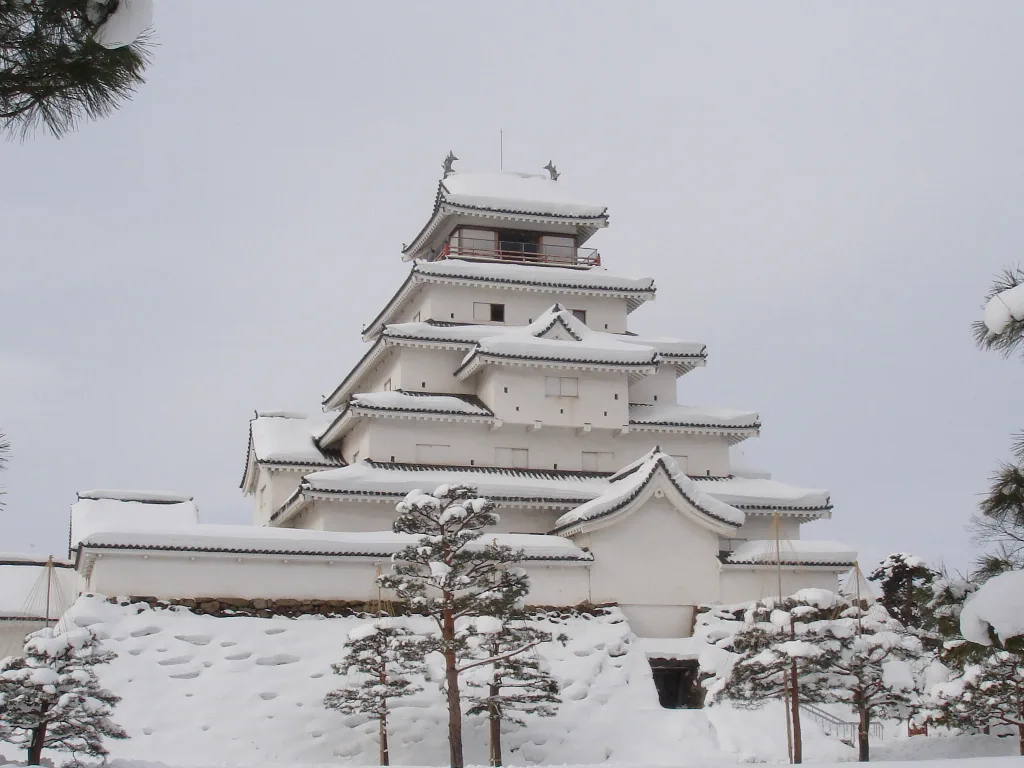

A Practical 3-Day Fukushima Itinerary
A realistic Aizu-based route with samurai history, an onsen stay and an optional rural day—without renting a car.
Open guide →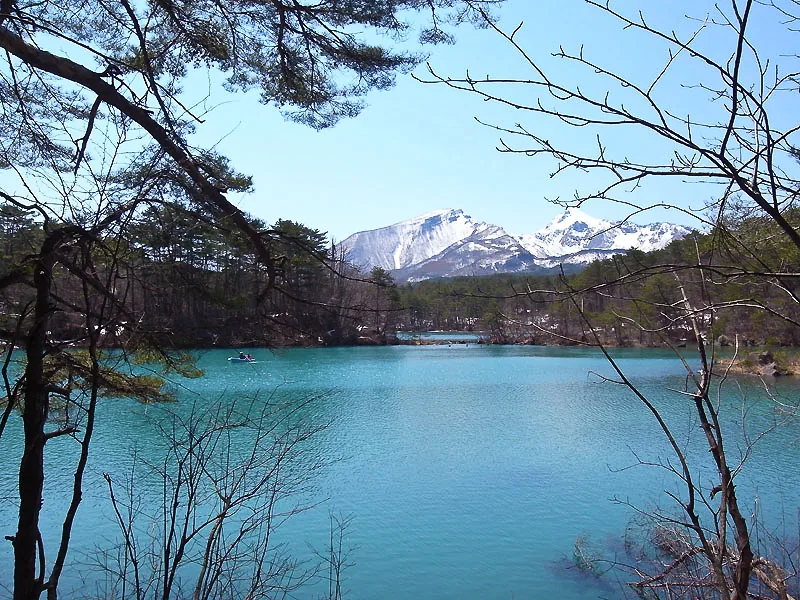

Fukushima for First-Time Visitors
Choose the right region, season and transport plan—and avoid the assumptions that make a first Fukushima trip harder than it needs to be.
Open guide →Official sources
- Access: How to Visit FukushimaFukushima Travel · checked 16 August 2026
- Getting Around Fukushima PrefectureFukushima Travel · checked 16 August 2026
- Shinkansen e-ticket / Express train e-ticketJR East · checked 16 August 2026
- Tohoku Shinkansen Route MapJR East · checked 16 August 2026
- How to Ride the Aizu LineAizu Railway · checked 16 August 2026