At a glance
first-time visitors with three days, two nights and no rental car
Fukushima
10 min read
16 August 2026
Reconfirm changing details with the listed responsible organizations. Source check: 16 August 2026.
Three days is enough for a memorable first visit to Fukushima, but not enough to cross the prefecture efficiently by public transport. This itinerary therefore focuses on Aizu: a region where history, traditional streets, local food and hot springs can be connected through one base.
The route begins and ends in Tokyo and assumes two nights in or near Aizu-Wakamatsu. It deliberately avoids exact departure times because rail and bus schedules change. Before booking, place your actual travel date into the official JR East, local railway and bus tools, then adjust the order to fit the services available.
At a glance
Day 1: Tokyo to Aizu-Wakamatsu; Tsurugajo Castle and the historic center.
Day 2: Aizu culture at a slower pace; move to an onsen stay or remain in the city.
Day 3: Choose Ouchi-juku if the connections work, or use a weather-proof city alternative; return to Tokyo.
This is not a checklist of everything near Aizu. It is a route designed to leave time for lunch, wrong turns, luggage and the fact that rural services do not run every few minutes.
Before you book
Search the complete Tokyo–Aizu-Wakamatsu journey. The usual northern approach uses the Tohoku Shinkansen to Koriyama and the JR Ban-etsu West Line to Aizu-Wakamatsu. Select a connection with a sensible transfer at Koriyama rather than the fastest theoretical arrival.
Book accommodation only after checking your Day 3 option. If you want Ouchi-juku, you need a rail and bus combination that works on your date. If your second night is at a ryokan, confirm dinner time and the latest acceptable arrival. Some properties offer station pickup only at set times and with advance notice.
Travel light. Keep your main suitcase at a city hotel or use a confirmed luggage-forwarding arrangement. An overnight bag is considerably easier on sightseeing buses and the Aizu Railway.
Day 1: Arrive and understand Aizu
Leave Tokyo early enough to reach Aizu-Wakamatsu around late morning or lunchtime without using a stressful connection. At Aizu-Wakamatsu Station, confirm where your sightseeing bus departs and whether the current day pass makes sense for your stops. Store luggage at your accommodation when possible.
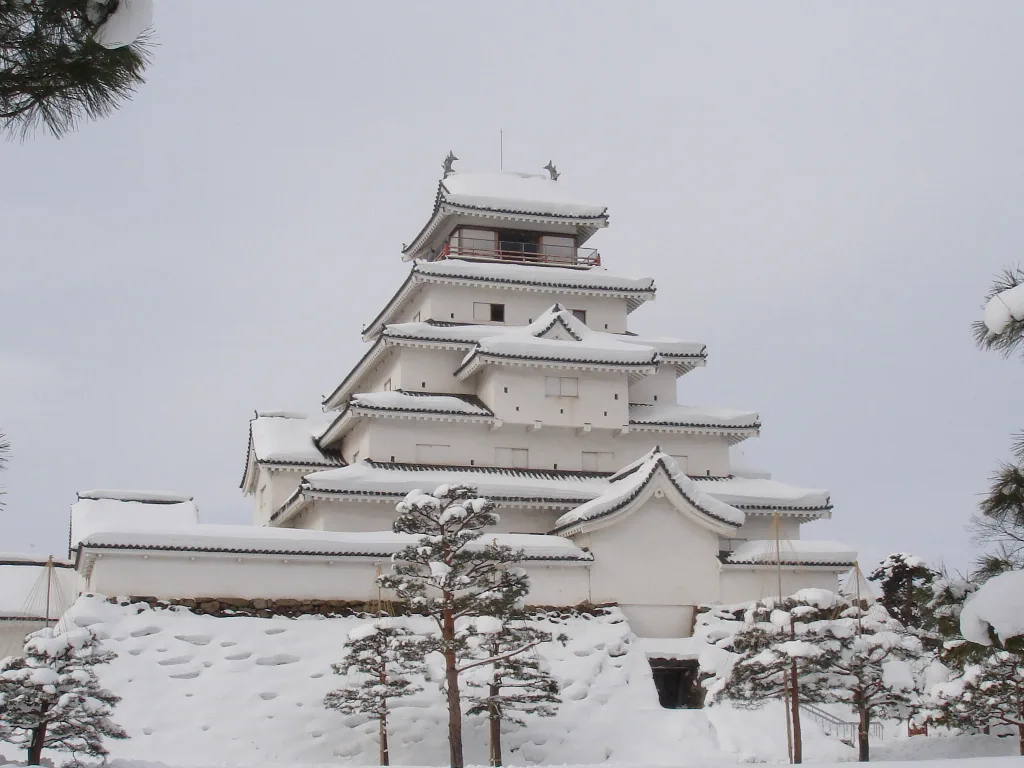
Make Tsurugajo Castle your first major sight. Fukushima Travel lists access from Aizu-Wakamatsu Station by the sightseeing loop bus, with Tsurugajo Kita-guchi and San-no-Maru among the nearby stops. The castle grounds introduce Aizu’s political and samurai history, while the rebuilt keep contains museum displays. Opening hours and admission can change, so use the official destination page shortly before travel rather than a saved price from an old blog.
Do not rush straight from the castle to another ticketed attraction. Walk the grounds, note the surviving stonework and give the museum time to provide context. Aizu’s later sites make more sense once you understand the Boshin War and the domain’s relationship with the Tokugawa shogunate.
Continue to Nanokamachi-dori, a historic commercial street with early twentieth-century buildings, shops and local crafts. Fukushima Travel states that it is steps from Nanukamachi Station and also served by the Haikara-san sightseeing loop bus. This makes it a flexible afternoon stop: you can browse without being tied to a fixed entrance time.
Check shop closing times individually. A street may remain physically accessible after the businesses you hoped to visit have closed. If sake tasting is part of your plan, confirm the brewery’s tour language, reservation requirement and final admission directly.
Stay near Aizu-Wakamatsu Station or the central bus route for the simplest logistics. If you prefer an onsen on the first night, verify the last transport and meal time before leaving Tokyo.
Day 2: Culture, food and an onsen evening
Use the second morning for one or two Aizu sites that match your interests. Mt. Iimoriyama provides an important but tragic chapter of local history connected with the Byakkotai. Oyakuen Garden offers a quieter landscape and medicinal-herb history. Aizu Bukeyashiki presents a reconstructed samurai residence. These places are not interchangeable; read their official descriptions and choose rather than trying to fit all three before lunch.
Keep the afternoon open for a craft, tea or food experience only if you can verify an English booking route. An experience described in English is not necessarily operated in English every day. Check duration, meeting place, cancellation rules and whether interpretation is included.
For lunch, build in more time than you would in central Tokyo. Small restaurants may close after selling out, take irregular holidays or accept cash only. Identify a primary and backup option near the same bus corridor. If you have allergies or dietary restrictions, contact a suitable restaurant or your accommodation in advance rather than expecting an improvised substitution.
Move to an onsen stay in the afternoon. Higashiyama Onsen is near Aizu-Wakamatsu and can fit a short itinerary more comfortably than a remote property. Another ryokan may be equally suitable if it provides a clearly confirmed transfer. The quality of the plan depends less on choosing the “best” onsen and more on arriving calmly before dinner.
At the ryokan, ask for bathing information at check-in. Confirm bath hours, tattoo policy and whether a private bath must be reserved. Dinner may be served at a set time in your room or a dining area. Arriving late affects the staff as well as your meal, so treat the stated arrival time as a real commitment.
If you prefer to stay in the city for both nights, visit a day-use bath only after checking that it accepts non-staying guests on that date. Day-use access can be suspended during busy periods or maintenance.
Day 3 option A: Ouchi-juku when the timetable works
Ouchi-juku is an Edo-period post town in Shimogo, known for its preserved thatched-roof streetscape. It is one of Fukushima’s most recognisable destinations, yet it should only be placed on Day 3 after confirming the return journey.
Aizu Railway identifies Yunokami Onsen Station as the nearest rail station and directs visitors to the connecting bus. Check the railway and bus schedules for your precise date. Confirm the boarding point, whether the bus is operating, how fares are paid and the last connection that still allows you to reach Tokyo comfortably.
Carry cash. Aizu Railway’s official riding instructions say credit cards and transport IC cards cannot be used to settle fares. At an unmanned station, you may board through the designated door, take a numbered ticket and pay when leaving. Local train doors may use passenger-operated buttons.
At Ouchi-juku, allow time to walk carefully, especially in snow. The village is a living community, not a film set. Respect private areas and follow photography requests. Restaurant queues and winter conditions can absorb your timetable buffer; choose your return bus before choosing where to eat.
After returning to Aizu-Wakamatsu, collect luggage and travel via Koriyama to Tokyo. Avoid booking an international flight on the same evening. Too many independent transport segments stand between the village and the airport.
Day 3 option B: A resilient city day
Choose the city alternative when the Ouchi-juku bus does not operate conveniently, weather warnings are active or you simply want a less fragile day. This is not a second-rate plan.
Visit the major Aizu site you skipped, return to Nanokamachi for a shop that was closed, or take a short trip to Kitakata only if the JR connection supports it. Another good option is to spend a slower morning at your ryokan, then return to Aizu-Wakamatsu for lunch before the train to Tokyo.
A city day gives you more control over luggage and reduces the risk of missing a long-distance connection. In winter, it can be the difference between enjoying the snow and spending the day watching a clock.
Budget and booking checklist
Price the journey from official booking tools rather than adding figures from different publication dates. Your main cost groups are long-distance rail, local rail and buses, two nights of accommodation, meals, attraction admission and possibly taxis. A ryokan plan with dinner and breakfast should be compared with a room-only city hotel plus meals, not with the room rate alone.
Before paying for anything non-refundable, confirm:
- the Tokyo–Koriyama–Aizu-Wakamatsu rail sequence;
- your ryokan’s meal, transfer and cancellation conditions;
- the Day 3 rail and bus operation for your date;
- cash needs on local transport;
- luggage storage or forwarding; and
- current weather and disruption information.
The best version of this itinerary is not the one with the most stops. It is the one where every important connection is known, every meal has enough time and Fukushima feels like a place you visited rather than a timetable you survived.
Put the guide on the map
Towns and routes mentioned here
A castle town where the Boshin War, samurai education and living craft traditions remain legible in the streets.
Town guideShimogoA mountain town of post-road history, thatched roofs, river gorges and living village customs.
Suggested routeAizu lakes, post towns and food cultureBuild a realistic circuit from the castle city to ramen streets, a mountain post town and the Bandai lake district.
Keep planning
Read next

Why Aizu-Wakamatsu Is Worth the Trip
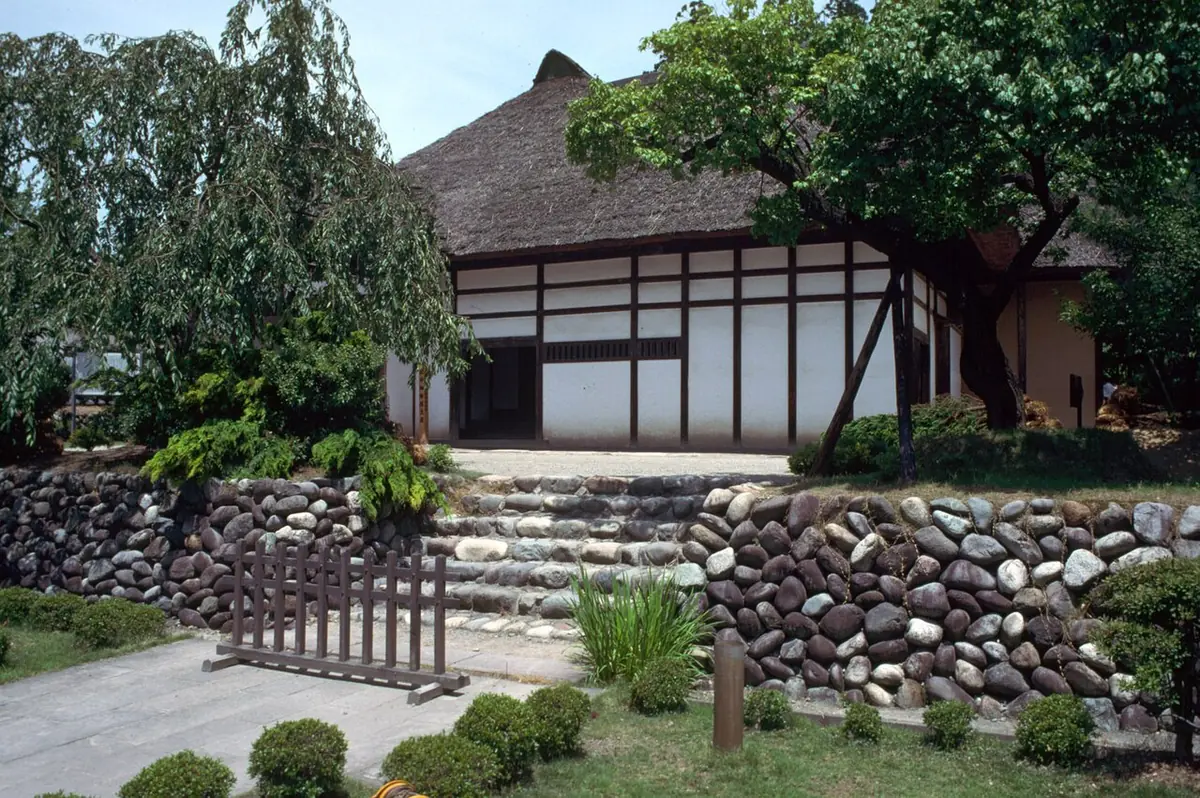
A castle town with samurai history, walkable streets, living crafts, local food and onsen access—plus the practical reasons it works for a first Fukushima visit.
Open guide →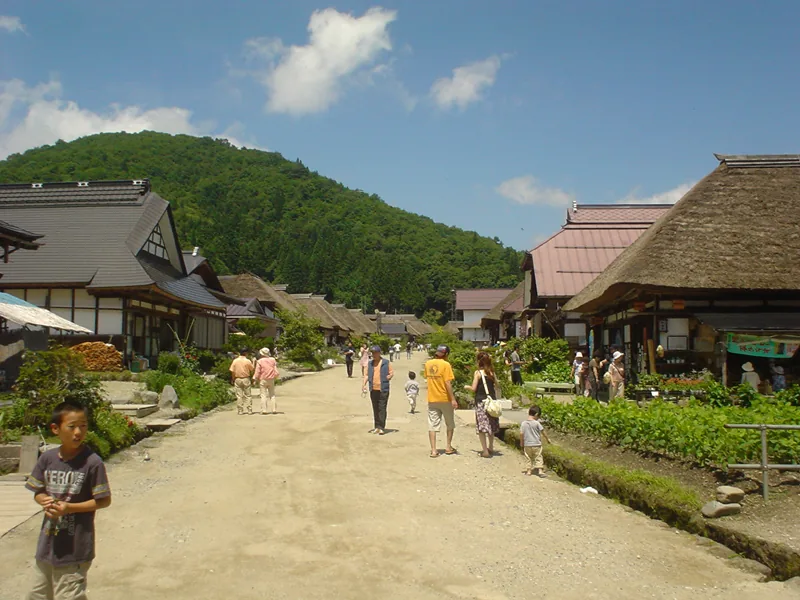

Ouchi-juku Without a Car
Plan the train, rural bus, cash and return connection for a realistic day trip to Fukushima’s thatched-roof post town.
Open guide →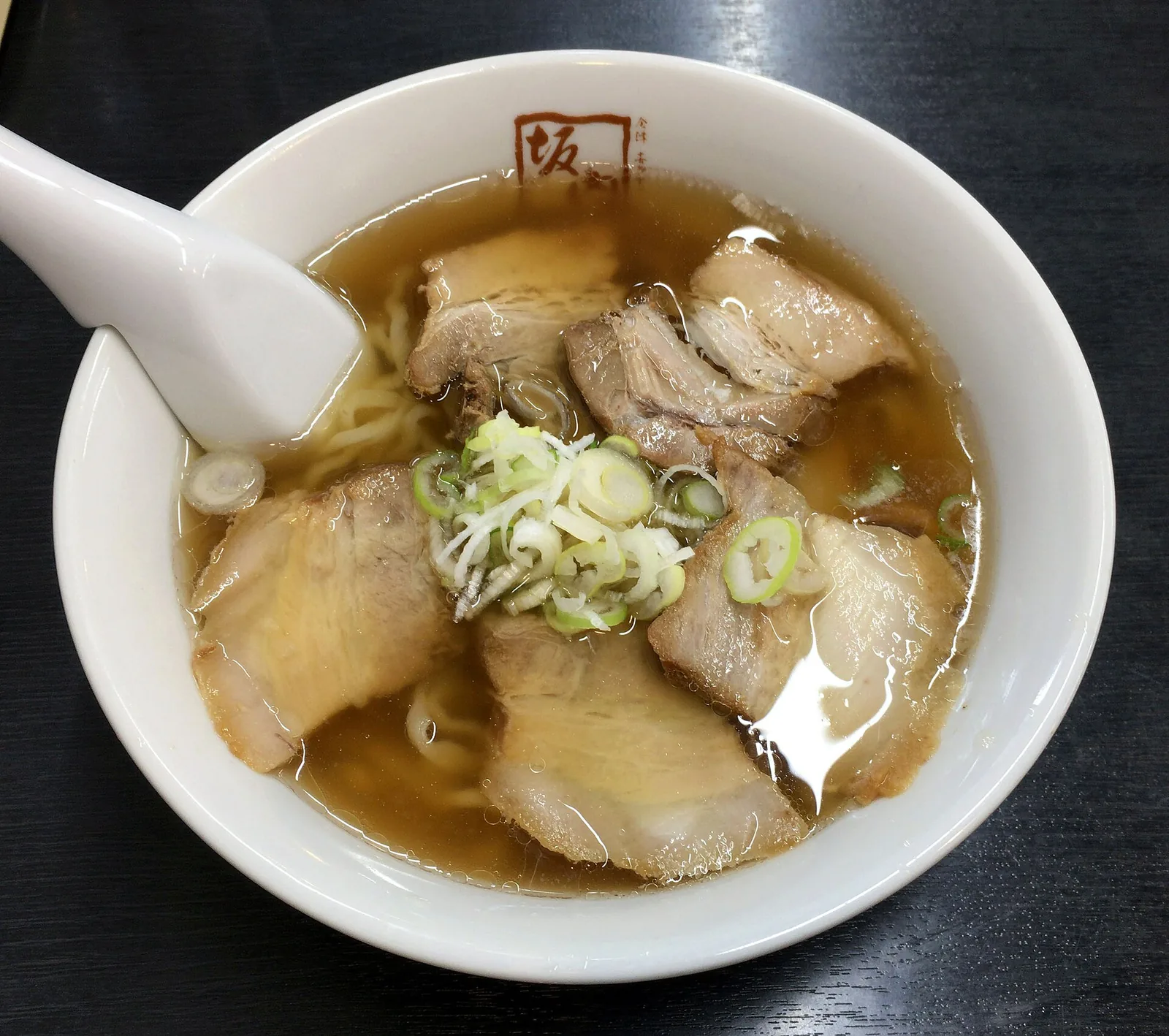

What to Eat and Drink in Fukushima
A practical introduction to Fukushima peaches, sake, Kitakata ramen, kozuyu and the local details that help you order with confidence.
Open guide →Official sources
- Onsen and Sightseeing in Aizu by TrainFukushima Travel · checked 16 August 2026
- Tsurugajo CastleFukushima Travel · checked 16 August 2026
- Nanokamachi-dori StreetFukushima Travel · checked 16 August 2026
- Getting to Ouchi-jukuFukushima Travel · checked 16 August 2026
- Ouchi-juku and Yunokami OnsenAizu Railway · checked 16 August 2026