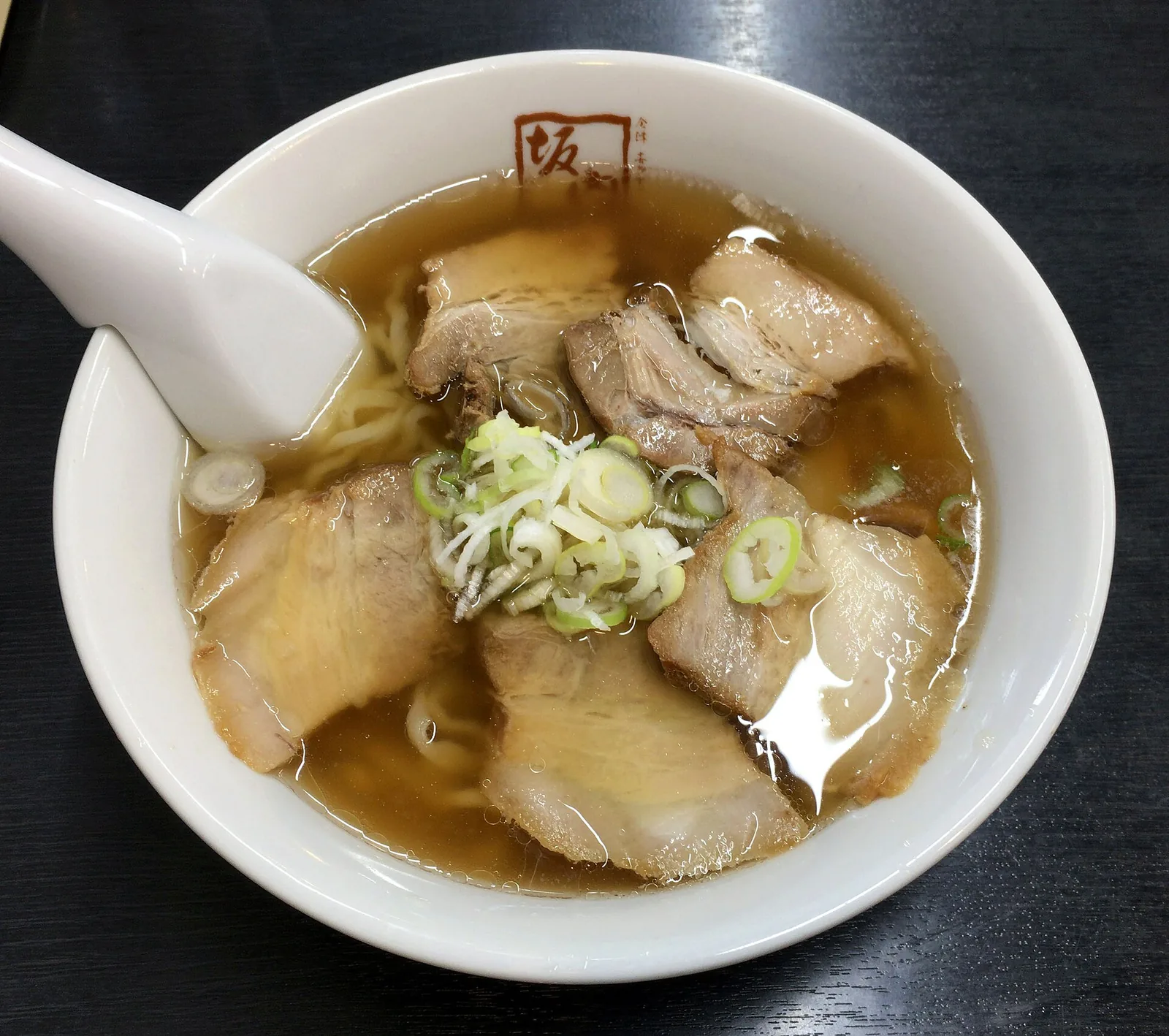
At a glance
travelers who want to understand Fukushima through its regional food and drink
Fukushima
11 min read
16 August 2026
Reconfirm changing details with the listed responsible organizations. Source check: 16 August 2026.
Fukushima makes more sense when you eat it region by region. Fruit country around Fukushima City does not tell the same story as an Aizu celebration soup, a bowl of ramen in Kitakata or sake brewed with local rice and water. There is no need to chase a “best of” list. The more useful approach is to understand what each food is, where it belongs and what to check before ordering.
This guide starts with four signatures—peaches, sake, Kitakata ramen and kozuyu—then adds a few dishes that make a Fukushima trip feel grounded in place.
Fukushima peaches: taste the season, not a fixed date
Fukushima is one of Japan’s leading peach-producing prefectures. The prefectural producer page identifies Fukushima City, Date and nearby communities among the main growing areas and gives a broad harvest period from July through September. Different varieties arrive at different points in that window.
That is why “peach season” is not one guaranteed week. Weather and variety affect harvest timing. If peaches matter to your trip, check current orchard or tourism information shortly before travel.
You do not need a fruit-picking reservation to enjoy the crop. Farm stands, markets, desserts and hotel menus may provide easier options, especially if your schedule is built around trains. For fruit picking, confirm the reservation system, the difference between picking and eating plans, time limits, weather policy and access from the nearest station. Never assume an orchard is walkable because it appears close on a map.
Fresh Japanese peaches are often soft and easily bruised. If you buy them as a travel snack, ask when they will be ready to eat and protect them from pressure in your bag. International plant and food import rules may prevent you from taking fresh fruit home, so check your destination country’s requirements rather than packing it automatically.
Fukushima sake: start with place and style
Sake is brewed across Fukushima, with particularly visible traditions in Aizu and Kitakata. Rice, water, climate and brewery practice shape the result, but a visitor does not need specialist vocabulary to begin.
At a tasting, say whether you prefer dry or sweeter flavors, light or richer body, and whether you want something served chilled or warmed. Those preferences are more useful than asking for the “number one” label. Awards change by year and category, so this guide does not turn them into a permanent ranking.
A brewery visit may include a historic building, production explanation, shop or tasting, but these are separate services. Check whether tours operate on your date, whether reservations are required, whether English support is available and whether production areas are open to visitors. Some visits are self-guided; others may not be running during active brewing work.
The legal drinking age in Japan is 20. Do not drive after drinking, and keep the next train in mind before ordering a full tasting set. Non-drinkers can still enjoy brewery architecture, fermented-food context and alcohol-free products where offered.
When buying bottles, confirm storage, luggage weight and airline rules. Shipping abroad is not automatic, even if a shop can ship within Japan.
Kitakata ramen: a city culture in one bowl
Kitakata ramen is known for thick, wavy noodles and a broth commonly based on soy sauce, though individual shops vary. Fukushima’s official tourism site presents it alongside Sapporo and Hakata as one of Japan’s most famous regional ramen traditions. Treat that as an explanation of its national profile, not a reason to rank individual stores.
The pleasure of eating ramen in Kitakata comes partly from seeing how an everyday food shapes the city. Some businesses open in the morning, but hours and closing days vary and a shop may finish when ingredients run out. Check the Kitakata tourism association’s current ramen information rather than relying on an old social post.
Ordering is usually simple once you know the payment system. Some shops use a ticket machine; others take payment at the counter. Carry cash and look for photographs or numbered choices. Do not assume every shop accepts reservations or credit cards.
Dietary restrictions require more care. Pork may appear as a topping, while meat or fish can also be used in broth. Soy sauce usually contains wheat. “No visible meat” does not mean vegetarian, halal or allergy-safe. Ask about the broth and cross-contact before ordering; if staff cannot confirm, choose another meal.
Kozuyu: a celebration dish, not just soup
Kozuyu is associated with celebrations and ceremonial meals in Aizu. Fukushima Travel’s local-food guide describes a clear soup made with ingredients such as dried scallop, carrots, mushrooms, konjac noodles and small pieces of wheat gluten, traditionally served in Aizu lacquerware.
Recipes vary by household and restaurant, which is part of the dish’s meaning. It is subtle rather than dramatic: the value lies in the ingredients, serving vessel and relationship to hospitality.
Kozuyu is not automatically vegetarian. Dried scallop contributes to the stock, and the small gluten pieces contain wheat. Travelers avoiding seafood or gluten should ask specifically instead of translating the name as “vegetable soup.”
You may encounter kozuyu as part of a set meal rather than as a stand-alone order. If it is a priority, use an official restaurant listing or ask your accommodation before arrival.
Other Aizu foods worth recognizing
Sauce katsudon places a breaded pork cutlet and cabbage over rice with a dark, tangy sauce. It is filling and easy to understand, but the breading and sauce can contain wheat and other allergens.
Nishin no sansho-zuke is dried herring pickled with sansho pepper leaves and seasoning. It reflects preservation practices suited to an inland region.
Wappa-style rice dishes use a bentwood container and may combine rice with seasonal mountain ingredients. The contents are not standardized, so check seafood, stock and mushrooms if needed.
At Ouchi-juku, negi-soba is associated with the memorable practice of eating soba with a long green onion. The noodle and dipping sauce matter more than the photograph: buckwheat kitchens may handle wheat, and the sauce may use fish stock.
These foods are invitations, not a compulsory checklist. Choose the dishes that fit the region you are actually visiting.
How to plan food without losing the day
Rural and family-run businesses may have limited hours, irregular holidays or sell out. Build one target meal and one backup into the day. If a restaurant is essential, verify it directly; if not, use an official tourism listing to identify several options in the same area.
Do not cross the prefecture for isolated dishes unless food is the central purpose of the trip. A better three-day pattern is peaches or fruit products near Fukushima City, an Aizu dinner with kozuyu or preserved foods, and a Kitakata side trip for ramen and sake culture.
For ryokan meals, send dietary information before booking. List ingredients, distinguish an allergy from a preference and ask whether the kitchen can prevent cross-contact. A translated card shown only at dinner may arrive too late for a fixed menu.
Bring the flavor home responsibly
Packaged noodles, sweets, lacquerware and some sealed beverages may be practical souvenirs, but customs rules belong to your destination country. Check restrictions on alcohol, meat products, fresh fruit and plant material before purchase.
The best food memory does not have to be a rare bottle or a famous line. It can be a ripe peach eaten at the right moment, a quiet bowl of ramen in the city that made it, or kozuyu served in the landscape where the tradition developed. Fukushima’s food is most rewarding when it remains connected to the route around it.
Put the guide on the map
Towns and routes mentioned here
A compact storehouse city where ramen, sake and clean-water craft traditions reward an unhurried visit.
Town guideAizu-WakamatsuA castle town where the Boshin War, samurai education and living craft traditions remain legible in the streets.
Town guideFukushima CityA Shinkansen gateway with music history, orchard landscapes and three distinct onsen districts.
Suggested routeAizu lakes, post towns and food cultureBuild a realistic circuit from the castle city to ramen streets, a mountain post town and the Bandai lake district.
Keep planning
Read next
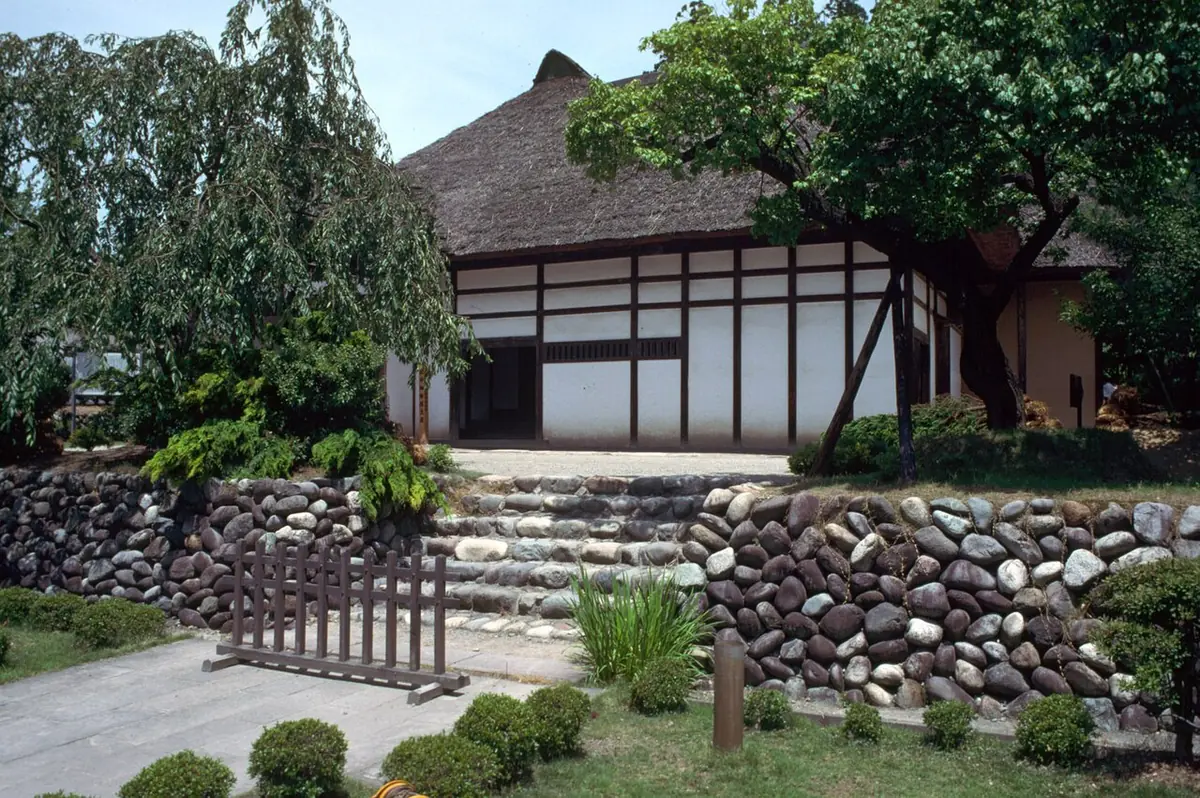

Why Aizu-Wakamatsu Is Worth the Trip
A castle town with samurai history, walkable streets, living crafts, local food and onsen access—plus the practical reasons it works for a first Fukushima visit.
Open guide →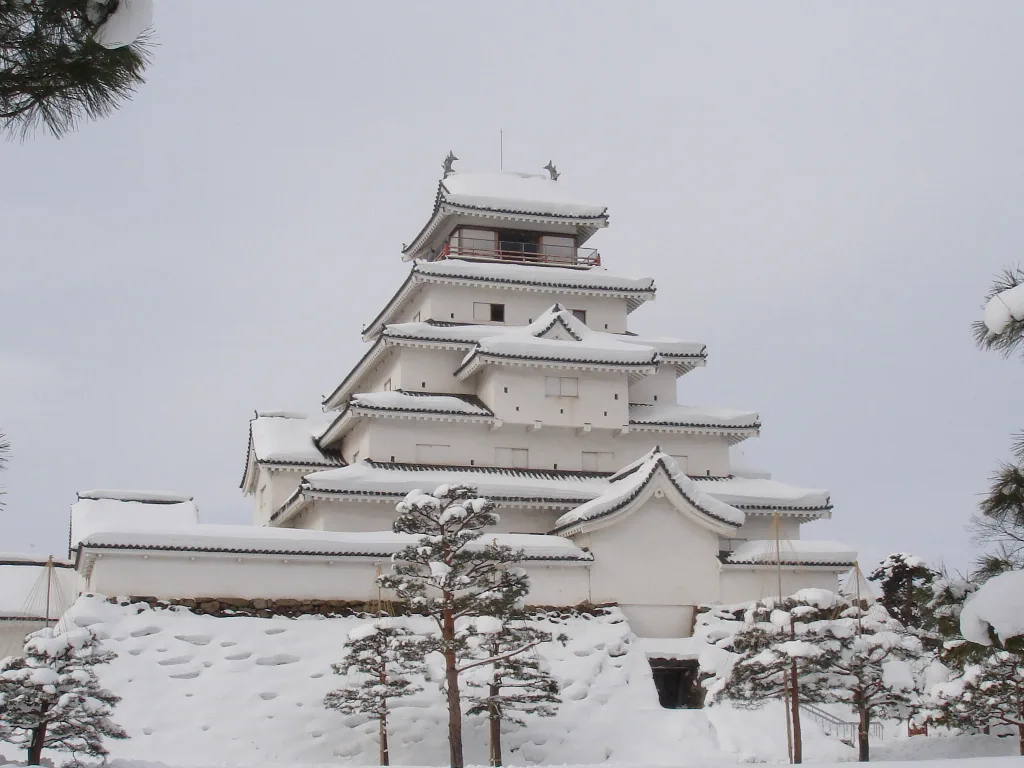

A Practical 3-Day Fukushima Itinerary
A realistic Aizu-based route with samurai history, an onsen stay and an optional rural day—without renting a car.
Open guide →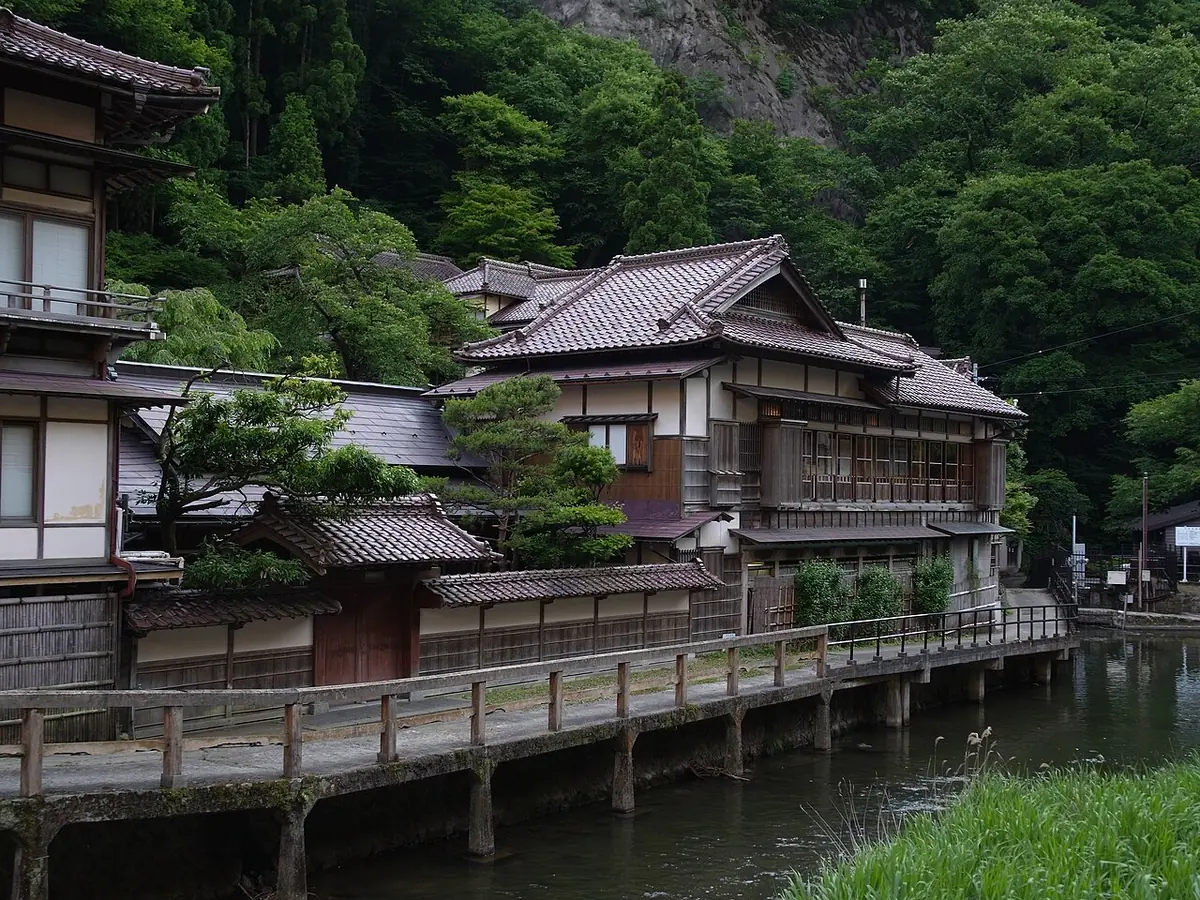
.jpg)
Onsen and Ryokan in Fukushima
A calm, practical guide to booking a hot-spring stay, handling meals and tattoos, and using the baths respectfully.
Open guide →Official sources
- Local Foods of FukushimaFukushima Travel · checked 16 August 2026
- Fruit in FukushimaFukushima Travel · checked 16 August 2026
- Fukushima-grown PeachesFukushima Prefecture · checked 16 August 2026
- Kitakata RamenKitakata Tourism and Products Association · checked 16 August 2026
- Japanese Sake Produced in FukushimaFukushima Prefecture · checked 16 August 2026
- Aizu AreaFukushima Travel · checked 16 August 2026