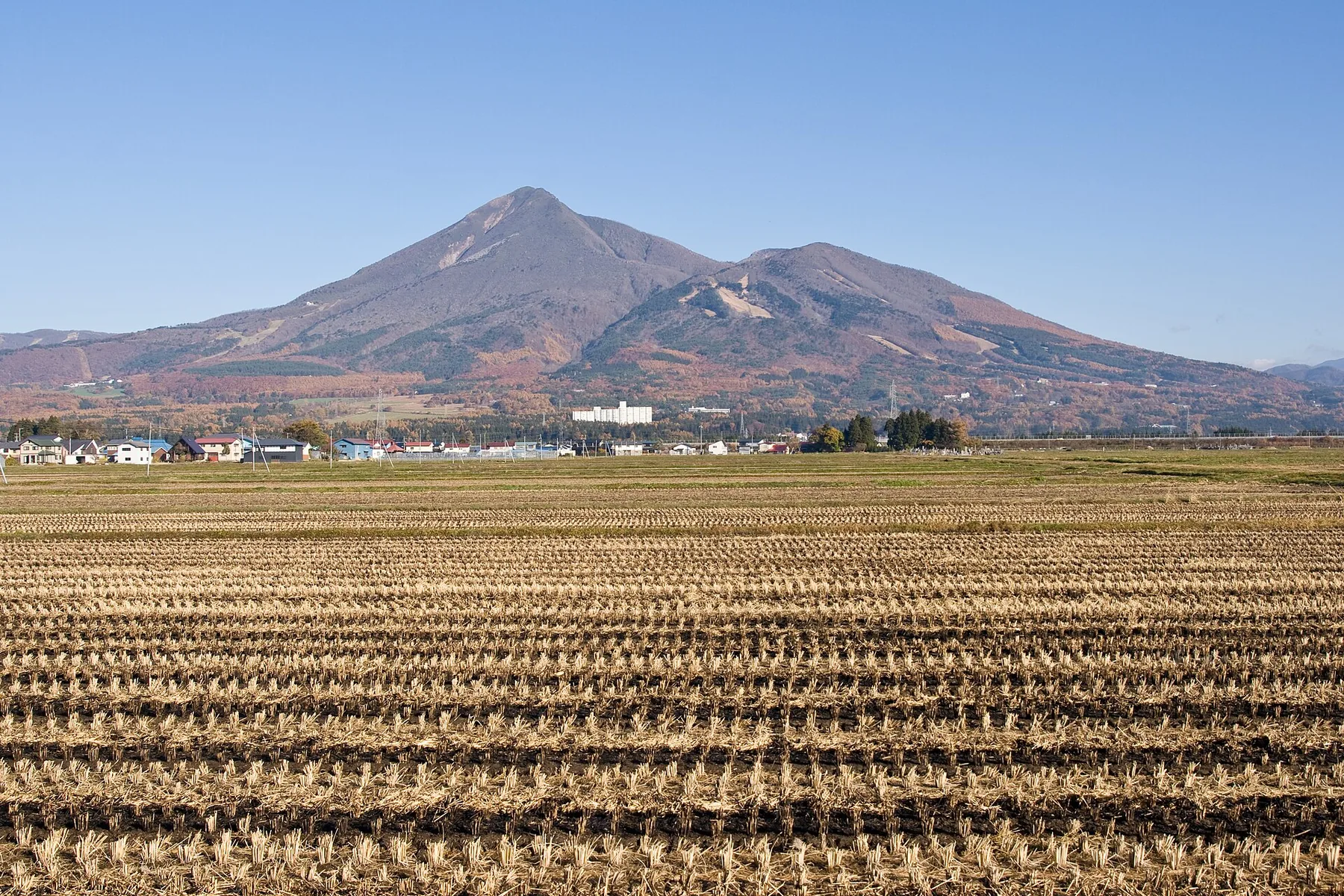
At a glance
independent travelers deciding where to book accommodation in Fukushima
Fukushima
10 min read
18 August 2026
Reconfirm changing details with the listed responsible organizations. Source check: 18 August 2026.
The best Fukushima base is not automatically the prefectural capital. It is the place that removes the hardest transfer from the part of the trip you care about most.
Fukushima is commonly understood through three broad regions: Aizu in the west, Nakadori through the center and Hamadori on the Pacific. Crossing between them is possible, but the map hides mountains, changes of line and rural service gaps. One hotel for the whole prefecture can save repacking while wasting hours in transit.
Use this guide to choose a base by itinerary rather than hotel ranking. Prices and individual properties change; the transport logic is more stable.
Fukushima City: best for arrival, Date and northern Nakadori
Fukushima City is the easiest first base from Tokyo because the Tohoku Shinkansen stops at Fukushima Station. It works well for travelers arriving late, leaving early or combining the city with Date City and Iizaka Onsen.
Stay near Fukushima Station when rail flexibility matters. This keeps the Shinkansen, local lines, Abukuma Express and many bus departures within reach. It also reduces risk if a day trip returns later than expected.
Choose Fukushima City for:
- a short first visit from Tokyo;
- a rail-based day in Date City;
- Hanamiyama, city museums and central dining;
- an Iizaka Onsen extension on the local railway.
It is a poor base for repeated day trips deep into Aizu. Reaching Aizu-Wakamatsu usually involves travel via Koriyama and the Ban-etsu corridor, so an overnight move is more honest than commuting back and forth.
Aizu-Wakamatsu: best for history and western Fukushima
Aizu-Wakamatsu is the strongest all-round base for a story-led Fukushima trip. Tsurugajo, Iimoriyama, craft streets and museums are linked by walking and local loop buses. The city also opens practical routes toward Kitakata, Ouchi-juku and Lake Inawashiro.
Stay near the station for transfers and luggage convenience. Stay closer to the central castle or Nanokamachi area for evening walks and restaurants. Higashiyama Onsen offers a quieter ryokan experience, but confirm the final bus or property transfer before choosing it as a transport base.
Choose Aizu-Wakamatsu for:
- samurai and Boshin War history;
- two or more days in Aizu;
- Ouchi-juku by Aizu Railway and bus;
- Kitakata, crafts, sake and onsen.
Do not schedule an early Ouchi-juku connection from a remote inn without checking how you will reach the station. Atmosphere and operational convenience are different benefits.
Iwaki or Yumoto: best for the Pacific side
Iwaki is geographically large, so the neighborhood matters. Iwaki Station supports city access and longer-distance rail. Yumoto is better for the coal-to-hula story, Horuru museum and onsen. Onahama is useful for the aquarium and waterfront but requires a bus or car connection from the rail corridor.
Choose Iwaki or Yumoto for:
- Hamadori history and coastal culture;
- Horuru and the Joban coalfield story;
- Spa Resort Hawaiians or a Yumoto onsen stay;
- a slower route north toward Minamisoma.
Trying to “see the coast” as one compact district is the common mistake. Pick one anchor and one secondary area each day.
Urabandai or Inawashiro: best for lakes, trails and snow
Inawashiro is the rail-oriented option. Urabandai puts you closer to Goshikinuma, lakes and mountain resorts but depends more heavily on buses, shuttles or a car. Accommodation may solve part of the transport problem when it offers a confirmed station or resort transfer.
Choose this area for:
- hiking and lake scenery;
- a slower nature-focused stay;
- skiing or winter landscapes;
- an itinerary where the hotel is part of the experience.
Before booking, ask for the exact pickup point, reservation deadline and seasonal operating dates. “Shuttle available” is not enough if it runs once per day or only for certain plans.
Onsen village or small town: best when the stay is the purpose
Iizaka, Higashiyama, Tsuchiyu and other hot-spring areas can be excellent overnight choices. They work best when dinner, bathing and a quiet evening are goals—not when the inn is being used as a generic platform for several early day trips.
Check five details before payment:
- the final public-transport arrival;
- whether pickup requires advance contact;
- dinner check-in time;
- luggage storage before and after the stay;
- the next morning’s connection.
Ryokan meal plans are scheduled. A beautiful remote property can become stressful if the transfer arrives after dinner service.
A simple base strategy for three to five days
For three days, use one base: Fukushima City for northern Nakadori, Aizu-Wakamatsu for history, or Iwaki for the coast. For four or five days across regions, use two bases. A practical sequence is Fukushima City followed by Aizu-Wakamatsu, or Aizu-Wakamatsu followed by Iwaki if the coast is essential.
Change hotels only when the move removes a difficult return journey. Otherwise, keep the same room and take a focused day trip. The right base gives you more time in the destination and fewer hours protecting a connection.
Put the guide on the map
Towns and routes mentioned here
A Shinkansen gateway with music history, orchard landscapes and three distinct onsen districts.
Town guideAizu-WakamatsuA castle town where the Boshin War, samurai education and living craft traditions remain legible in the streets.
Town guideIwakiA Pacific city whose coal-mining history was transformed into a distinctive modern culture of hula, hot springs and resilience.
Suggested routeFukushima’s three regions by railA realistic multi-base sampler—Nakadori first, Aizu second and Hamadori last—without pretending the prefecture is compact.
Keep planning
Read next
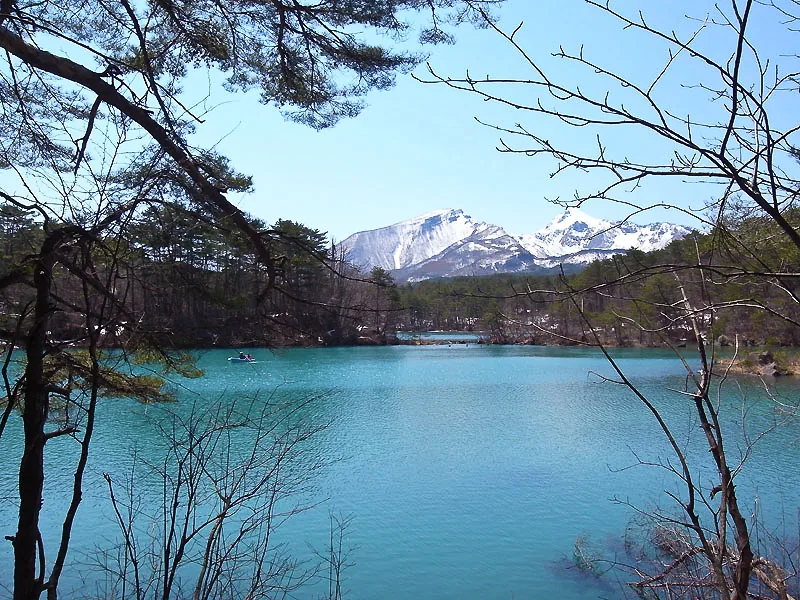

Fukushima for First-Time Visitors
Choose the right region, season and transport plan—and avoid the assumptions that make a first Fukushima trip harder than it needs to be.
Open guide →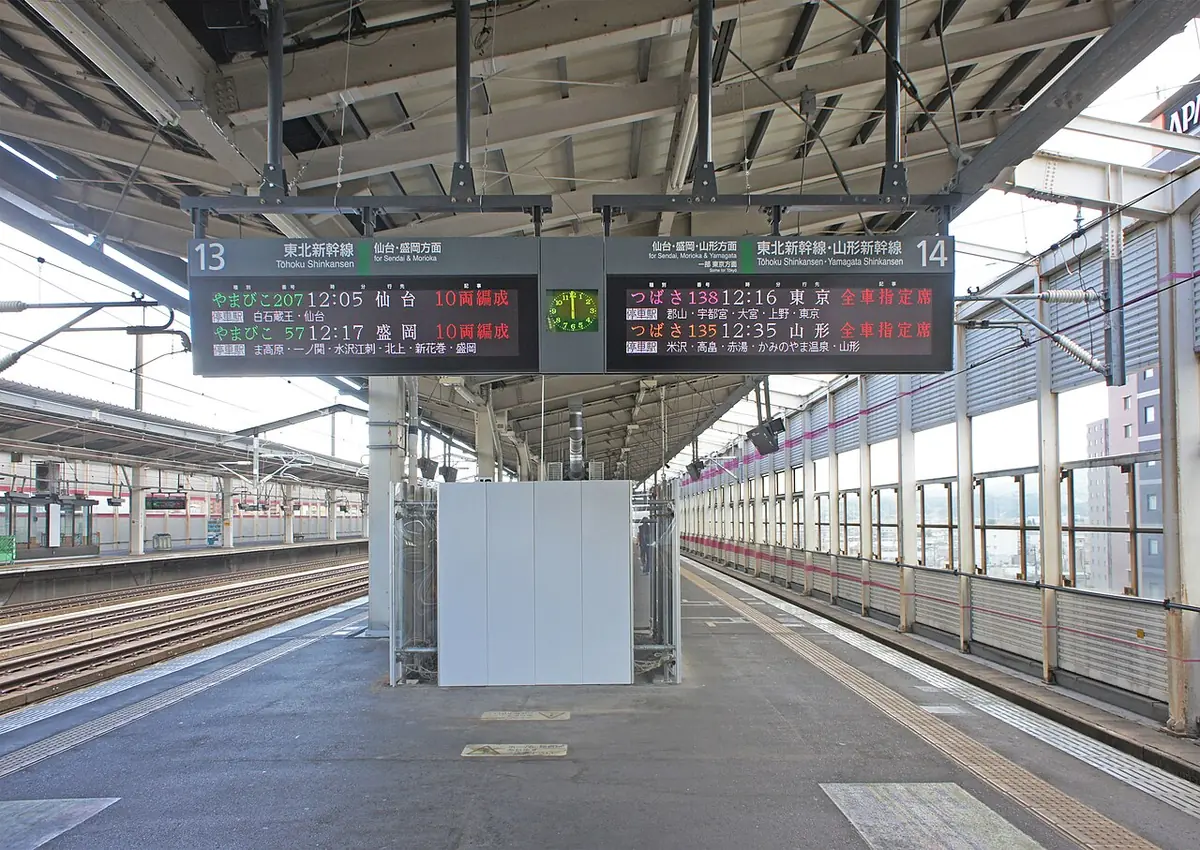

Tokyo to Fukushima Without a Car
Understand Fukushima’s rail gateways, ticket choices and the local connections that matter after the Shinkansen.
Open guide →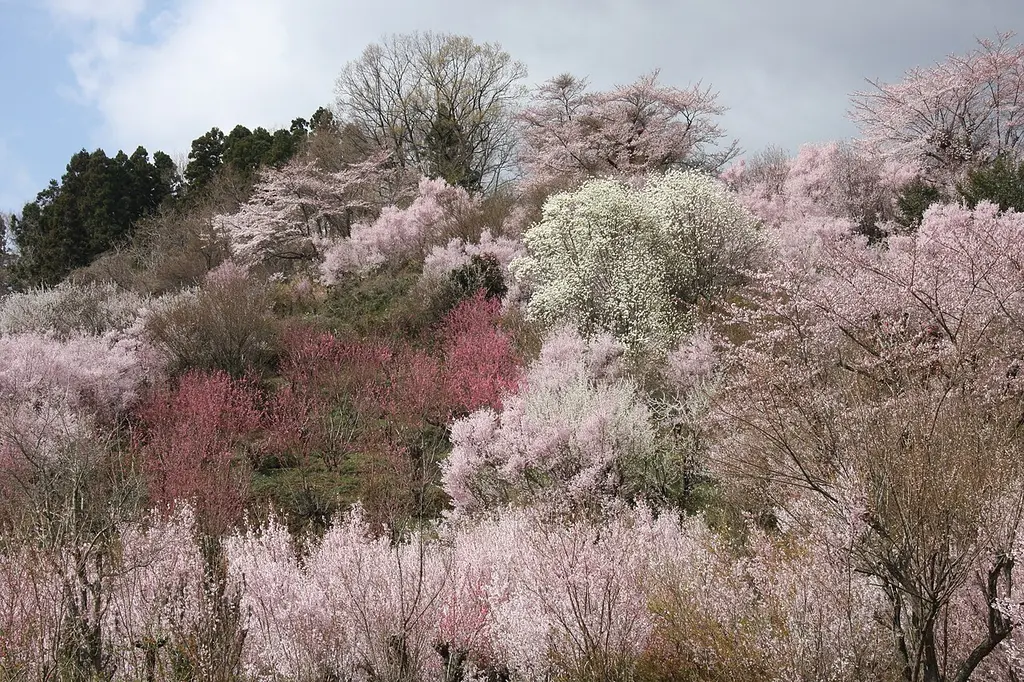

Best Time to Visit Fukushima
Choose the right season for Fukushima’s cherry blossoms, green highlands, autumn color, fruit, snow and onsen—without treating the whole prefecture as one climate.
Open guide →Official sources
- Fukushima TravelFukushima Prefecture Tourism and Local Products Association · checked 18 August 2026
- Access to Fukushima CityFukushima City Tourism Convention Association · checked 18 August 2026
- Aizu-Wakamatsu Official Tourism GuideAizu-Wakamatsu Tourism Bureau · checked 18 August 2026
- JR East railway maps and travel informationJR East · checked 18 August 2026