At a glance
travelers choosing dates for a first or return trip to Fukushima
Fukushima
10 min read
18 August 2026
Reconfirm changing details with the listed responsible organizations. Source check: 18 August 2026.
There is no single best month for every Fukushima trip. The prefecture stretches from the snowy mountains of Aizu to the inland basin of Nakadori and the Pacific coast of Hamadori. Elevation and distance from the sea can make two places feel like different seasons on the same day.
The useful question is therefore not “When is Fukushima best?” but “Which experience matters most, and which region supports it?” Spring is strongest for blossoms and city walking, summer for green highlands and fruit, autumn for color and comfortable outdoor days, and winter for snow landscapes and onsen. Each season also introduces a planning cost: crowds, heat, rural bus frequency, early darkness or snow disruption.
Spring: blossoms move across the prefecture
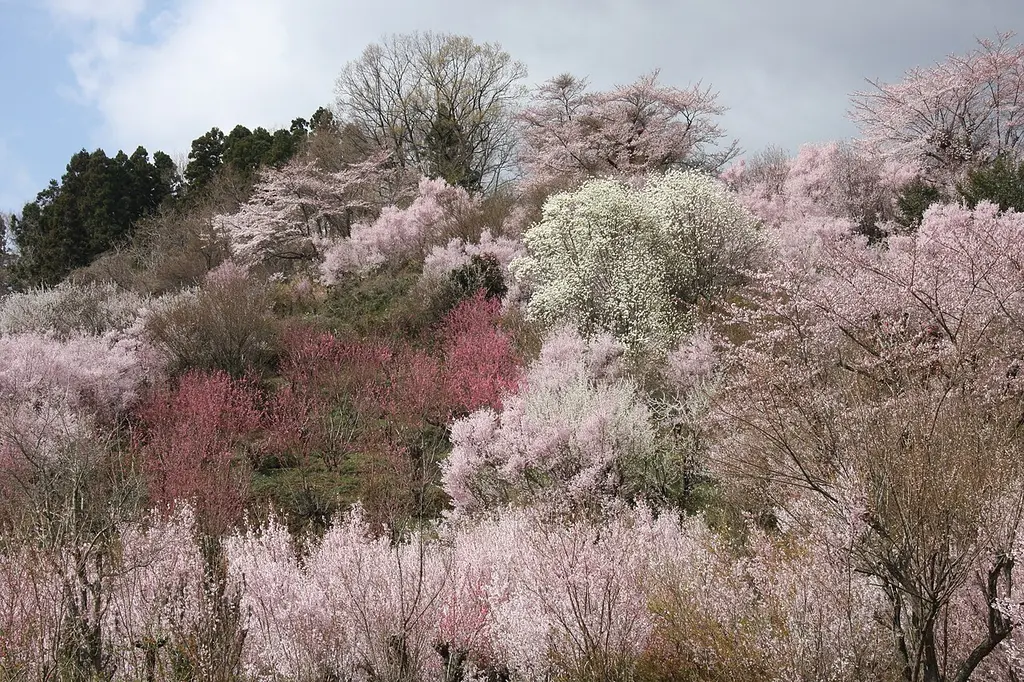
Spring is the easiest season to recommend to a first-time visitor who wants a mix of cities, historic sites and outdoor scenery. Fukushima Travel presents the prefecture’s blossom period as a progression rather than one date. Lower and warmer places can bloom before mountain and northern areas.
Hanamiyama in Fukushima City is a strong starting point because the flower landscape includes more than one kind of blossom. Tsurugajo in Aizu-Wakamatsu gives a very different experience: castle grounds, history and cherry trees in one walkable destination. Later or higher-elevation choices can extend the season, but no forecast is a guarantee.
If cherry blossom is the main reason for the trip, keep two rules. First, use a current official forecast shortly before travel. Second, build a day that remains worthwhile if the trees are early, late or affected by weather. Museums, food, onsen and historic streets are not consolation prizes; they are the substance that protects the trip from a narrow bloom window.
Summer: fruit, festivals and cooler highlands
Summer brings peaches and other fruit to the Fukushima basin. The exact harvest window varies by crop, variety and weather, so check an orchard or tourism office before planning a picking visit. Markets, farm shops and desserts can be easier than an orchard for a rail-based traveler.
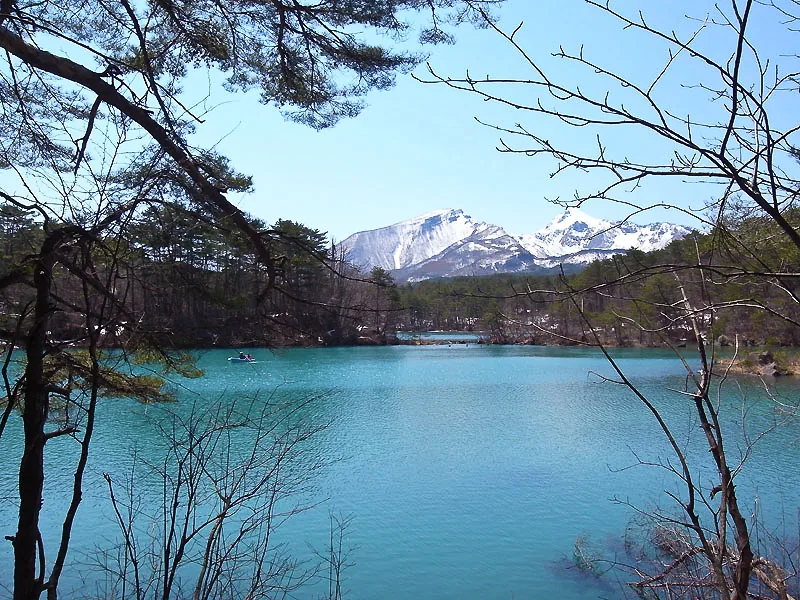
For outdoor time, Urabandai and the Lake Inawashiro area offer altitude, forest and water. The Goshikinuma ponds are accessible through established walking routes, but summer rain and heat still require water, sun protection and suitable shoes. A highland label does not remove the need to check the forecast.
Festivals can justify a summer trip, yet they change accommodation demand and transport. Treat an event date as the first booking constraint. Confirm the responsible organizer’s current program, reserve the overnight base early and avoid assuming that ordinary buses or roads will operate normally during processions.
Autumn: the most flexible all-round season
Autumn often gives the best balance for travelers who want walking, history, food and scenery in one itinerary. Humidity usually eases, harvest foods arrive and foliage moves from the mountains toward lower towns.
Urabandai, Mt Bandai and the Aizu highlands can color earlier than Fukushima City or the Pacific coast. That movement makes a fixed “peak week” unreliable across the prefecture. Choose one or two landscape priorities and use the town itself as the stable part of the day.
Autumn is also well suited to Date City, Nihonmatsu and Aizu-Wakamatsu. Historic sites can be walked without spring’s blossom focus, while local fruit, sake and seasonal dishes provide context after the outdoor stops. Daylight shortens quickly later in the season, so schedule rural scenery before museums or town dining.
Winter: the richest atmosphere and the highest planning cost
Winter can be the most memorable season in Aizu and Urabandai. Snow changes Ouchi-juku, castle towns, onsen valleys and mountain resorts. It also changes walking speed, road conditions and the reliability of a tightly connected itinerary.
Do not use Fukushima City’s forecast as a substitute for an Aizu or mountain forecast. Check the actual destination and transport operator. Wear shoes with grip, carry warm layers that can handle wind and wet snow, and leave a larger connection margin than you would in Tokyo.
A good winter plan uses one overnight base and fewer daily stops. Pair one outdoor objective with an indoor museum, craft or food option. If the weather deteriorates, remove the remote stop instead of compressing everything into the remaining daylight.
Match the season to your priority
- Choose spring for blossoms, castle grounds and comfortable city walks.
- Choose summer for fruit, festivals, lakes and green highlands, with heat and rain planning.
- Choose autumn for flexible walking, foliage and regional food.
- Choose winter for snow, onsen and quieter historic streets, accepting extra transport risk.
For a first trip without a car, late spring or autumn is usually the simplest. For snow, build around Aizu-Wakamatsu, Inawashiro or a confirmed resort shuttle. For fruit, use Fukushima City or Date City as the base and verify the crop before reserving a rural visit.
The best season is the one whose constraints you are willing to plan around. Choose the experience first, then the region, base and transport—not the other way around.
Put the guide on the map
Towns and routes mentioned here
A Shinkansen gateway with music history, orchard landscapes and three distinct onsen districts.
Town guideKitashiobaraA highland village shaped by volcanic change, colored ponds, lakeside trails and winter snow.
Town guideAizu-WakamatsuA castle town where the Boshin War, samurai education and living craft traditions remain legible in the streets.
Suggested routeLake Inawashiro and Urabandai in one dayRead Mt Bandai from both sides by pairing the lakeshore with one Urabandai trail, only when the seasonal bus links support the plan.
Keep planning
Read next

Fukushima for First-Time Visitors
Choose the right region, season and transport plan—and avoid the assumptions that make a first Fukushima trip harder than it needs to be.
Open guide →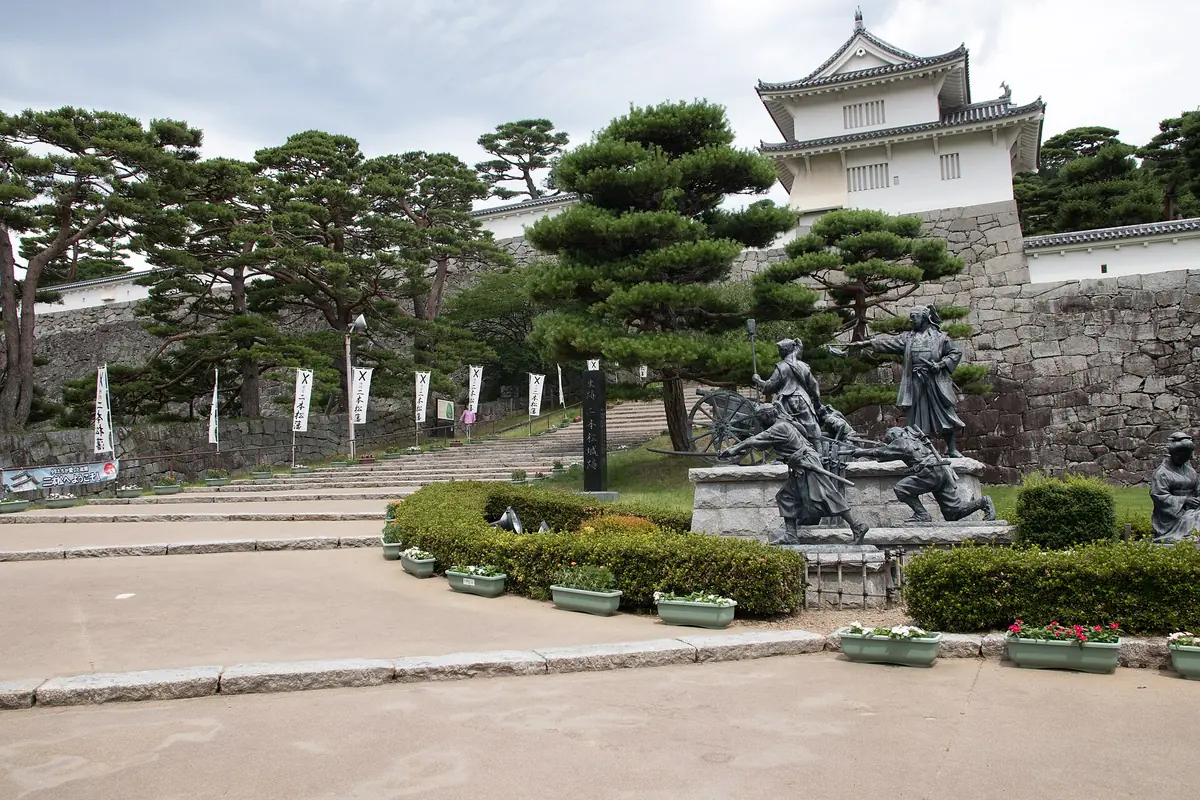

Fukushima in Winter
Plan a winter trip to Fukushima with realistic snow, footwear, rail, bus, driving, daylight and onsen advice for Aizu, Nakadori and Hamadori.
Open guide →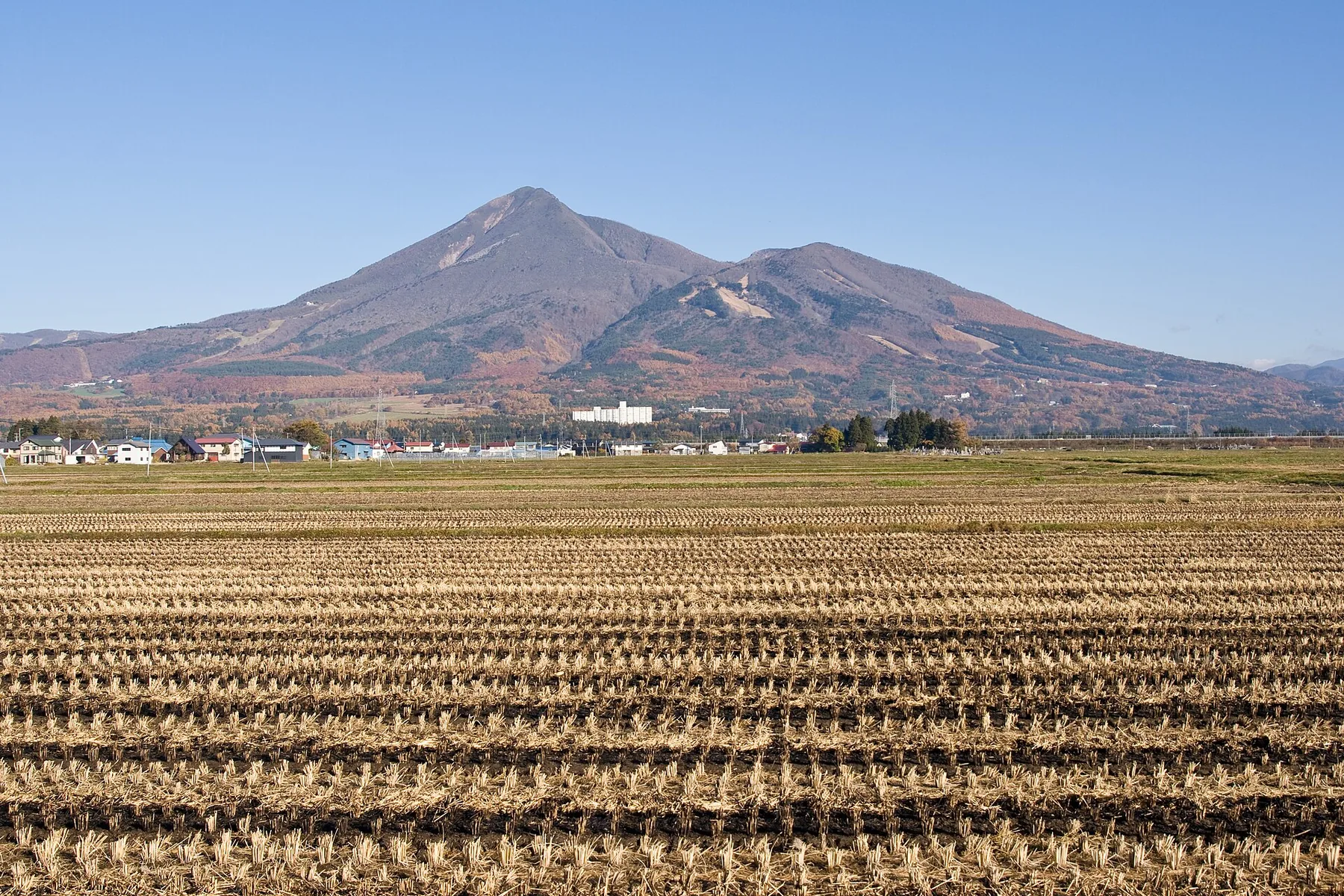

Where to Stay in Fukushima
Compare Fukushima City, Aizu-Wakamatsu, Iwaki, Urabandai and smaller onsen bases by transport, trip style and the places you actually want to see.
Open guide →Official sources
- Spring in FukushimaFukushima Travel · checked 18 August 2026
- Summer in FukushimaFukushima Travel · checked 18 August 2026
- Autumn in FukushimaFukushima Travel · checked 18 August 2026
- Winter in FukushimaFukushima Travel · checked 18 August 2026