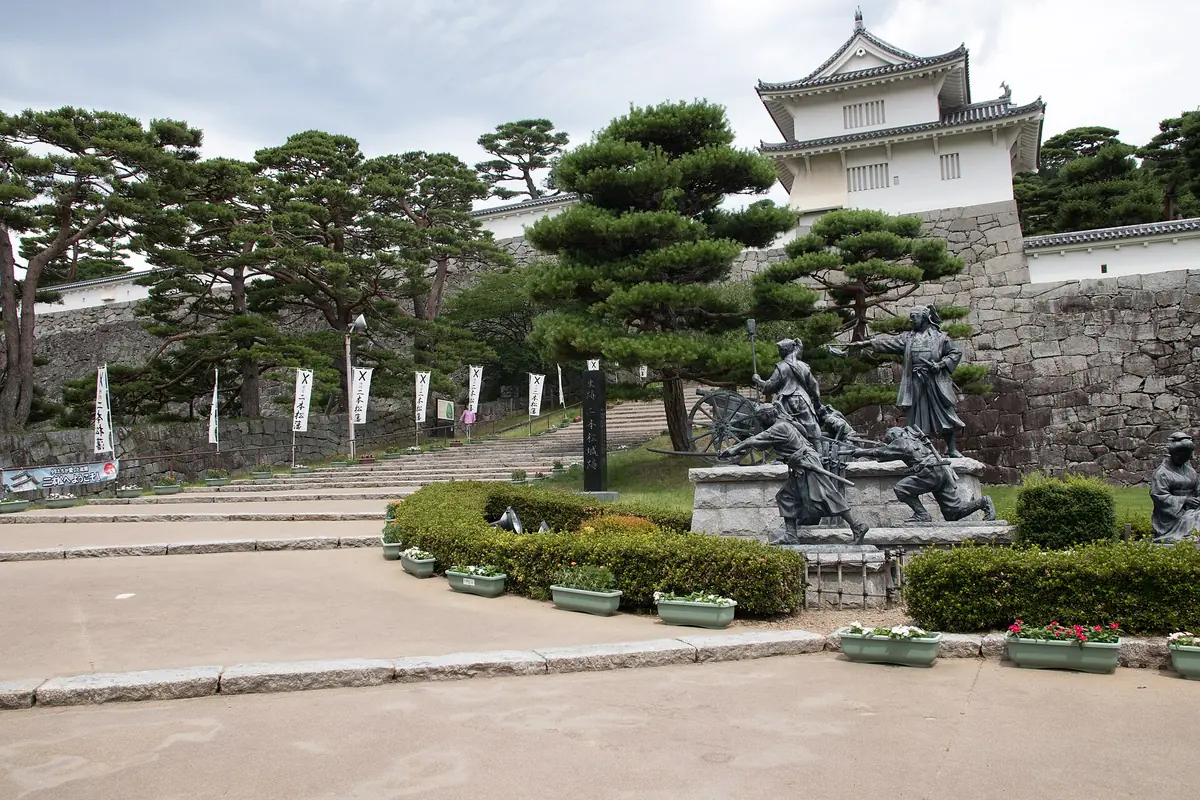
At a glance
travelers visiting Fukushima between December and March
Fukushima
11 min read
18 August 2026
Reconfirm changing details with the listed responsible organizations. Source check: 18 August 2026.
Winter is not one condition across Fukushima. Aizu and mountain areas can receive substantial snow, Fukushima City may alternate between clear streets and icy weather, and the Pacific side can look entirely different. The safest plan starts with the exact destination, not a prefecture-wide forecast.
Winter travel is rewarding because snow changes the scale and mood of Ouchi-juku, Aizu-Wakamatsu, Urabandai and the onsen valleys. It is demanding because walking is slower, daylight is shorter and rural connections can be disrupted. A successful itinerary contains fewer stops and more fallback options than the same trip in autumn.
Understand the three-region difference
Aizu is the main snow-country experience. Aizu-Wakamatsu provides the most practical urban base, while Ouchi-juku, Urabandai and smaller valleys require more transport planning.
Nakadori, including Fukushima City and Date City, can still be cold and icy. Snow totals may be lower than western mountain areas, but a light freeze is enough to make ordinary shoes unsafe.
Hamadori is influenced by the Pacific and is generally a different winter proposition. Iwaki can support museums, onsen and coastal stops, but wind, earthquakes and coastal warnings still require attention.
Never assume that conditions at Fukushima Station describe Ouchi-juku or a mountain trail. Check local forecasts and operator notices for each stage.
Build the day around daylight and the return connection
In winter, start outdoor sightseeing earlier. Historic streets and rural viewpoints can become difficult before the official sunset because mountains reduce usable light. A late morning departure that feels acceptable in summer may leave almost no margin after lunch.
For buses and rural rail, identify the final return first and one earlier backup. Screenshot or save the operator page, but reopen it on the day of travel in case of disruption. Avoid planning a dinner reservation immediately after a fragile chain of rural connections.
If a storm warning or major service disruption appears, remove the remote stop. A museum, craft workshop, local meal or onsen near the base is a better winter day than forcing a closed or unsafe route.
What to wear and carry
The most important item is footwear with grip. Smooth city sneakers can fail on compressed snow and invisible ice. Waterproof boots or shoes with a winter sole are more valuable than a fashionable heavy coat.
Use layers:
- a base layer that does not stay wet;
- an insulating middle layer;
- a wind- and water-resistant outer layer;
- gloves, a warm hat and neck protection;
- spare socks if the day includes deep snow.
Carry a small cloth or bag for wet items. Indoor transport, museums and shops can be warm, so layers are easier than one bulky garment. A compact power bank is useful because batteries discharge faster in the cold.
For a prepared town walk, ordinary winter clothing may be enough. Snowshoeing, backcountry terrain and the “snow monster” areas are different activities. Use the guide, equipment and operating rules specified by the responsible destination.
Rail and bus travel
Rail remains the simplest winter option for many visitors, but “the train is running” does not guarantee the connecting bus. Monitor the complete chain. Leave margin between the Shinkansen and a limited local departure, especially on the last connection of the day.
Large luggage slows movement on snowy platforms and buses. Forward it between major bases when possible, or use a confirmed locker. Keep essential medication, a warm layer and one day of necessities with you in case the suitcase travels separately.
Rural buses may use seasonal schedules. Hotel and ski shuttles may require reservations, run only on selected dates or serve registered guests. Confirm the pickup point and booking deadline directly.
Driving: do not learn winter roads during the trip
A rental car can improve access, but it does not remove weather risk. Only drive in snow if you are already comfortable with winter conditions. Confirm winter tires, road restrictions, parking and the rental company’s rules. Mountain roads can be narrow, shaded and icy even when a main road looks clear.
Do not let a clear morning override a later forecast. If the route crosses a pass or reaches a remote trailhead, identify where you can turn back. Public transport or a local transfer is the better choice when winter driving would be a new skill.
Onsen and ryokan in cold weather
Winter is an excellent time for onsen, but outdoor baths introduce slippery surfaces and rapid temperature changes. Walk slowly, follow the facility’s instructions and do not stay in very hot water simply because the air is cold.
For a ryokan, arrive before the stated dinner and check-in deadline. Snow can make the last kilometers the hardest part of the journey. Ask whether the property provides a station pickup and whether it must be reserved.
A resilient winter itinerary
Base in Aizu-Wakamatsu for two or three nights. Use one day for the castle town, one for a mountain or village trip only if transport operates, and keep one flexible half-day for onsen, food or museums. From Fukushima City, combine central sights with Iizaka Onsen and treat Date City as a separate day whose local connections are reconfirmed.
Winter rewards patience. The goal is not to collect every snowy landmark; it is to leave enough time to experience the landscape without turning weather into a contest.
Put the guide on the map
Towns and routes mentioned here
A castle town where the Boshin War, samurai education and living craft traditions remain legible in the streets.
Town guideInawashiroA lakeside town framed by Mt Bandai, outdoor seasons and the international story of Hideyo Noguchi.
Town guideShimogoA mountain town of post-road history, thatched roofs, river gorges and living village customs.
Suggested routeLake Inawashiro and Urabandai in one dayRead Mt Bandai from both sides by pairing the lakeshore with one Urabandai trail, only when the seasonal bus links support the plan.
Keep planning
Read next
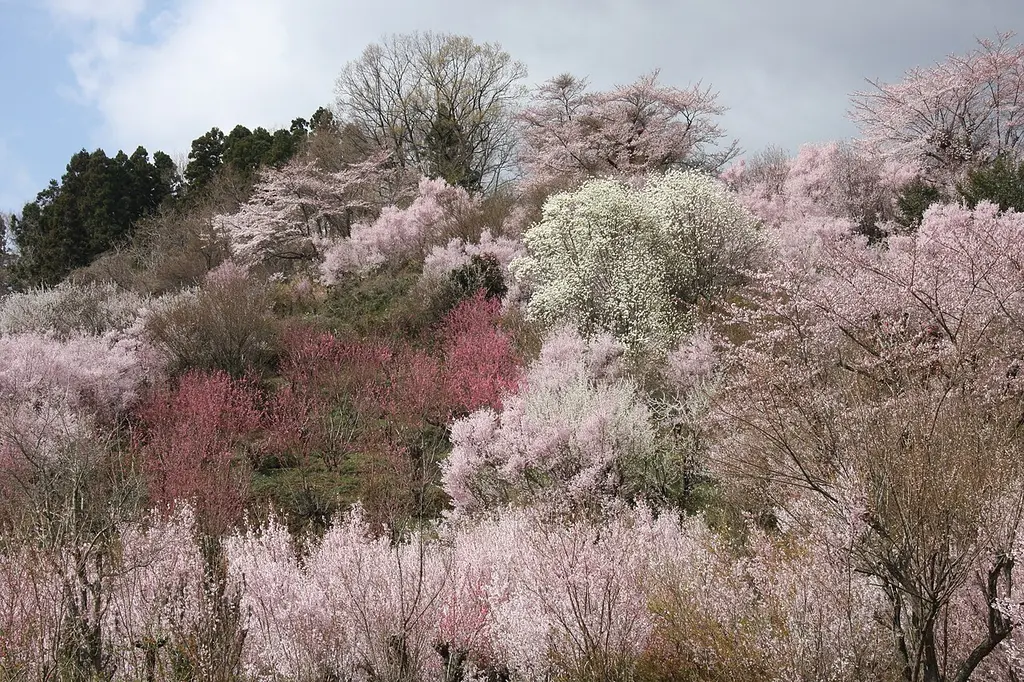

Best Time to Visit Fukushima
Choose the right season for Fukushima’s cherry blossoms, green highlands, autumn color, fruit, snow and onsen—without treating the whole prefecture as one climate.
Open guide →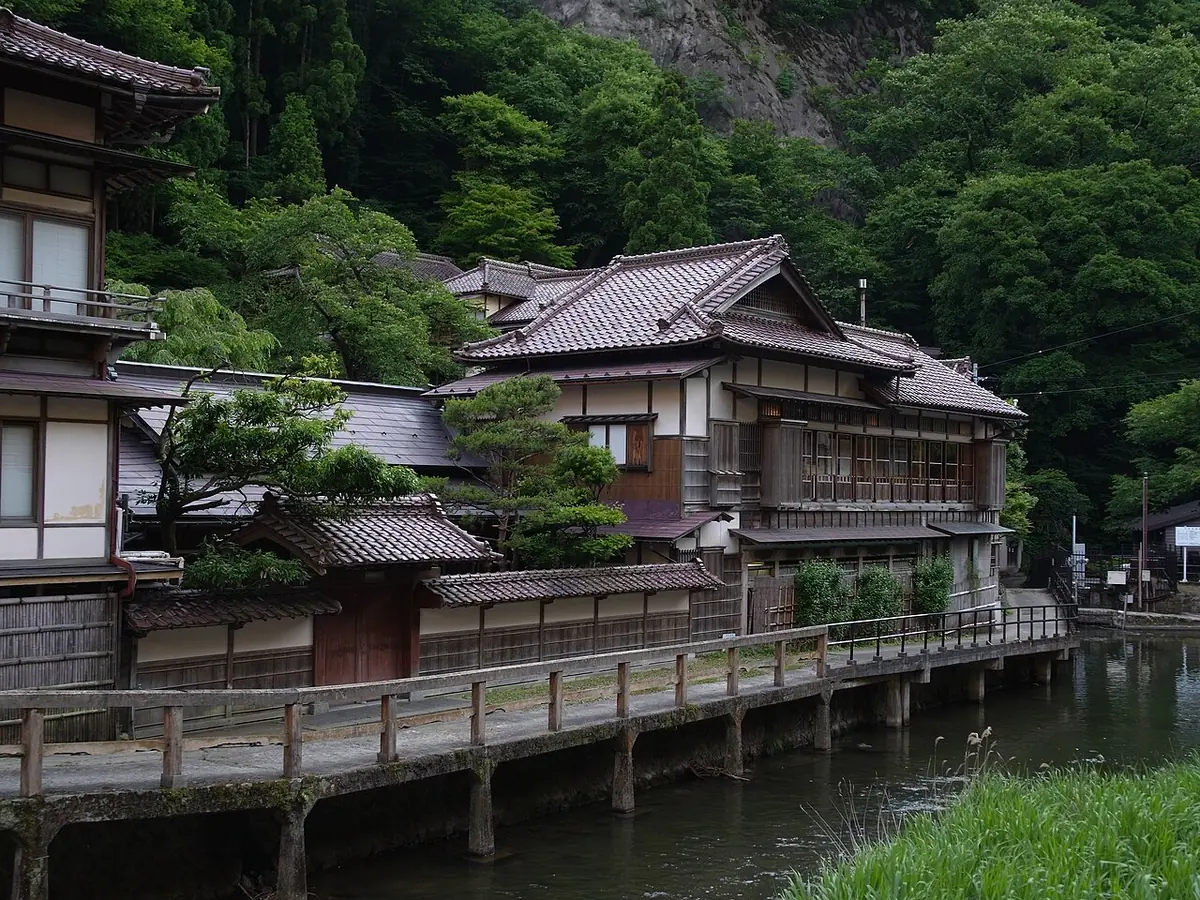
.jpg)
Onsen and Ryokan in Fukushima
A calm, practical guide to booking a hot-spring stay, handling meals and tattoos, and using the baths respectfully.
Open guide →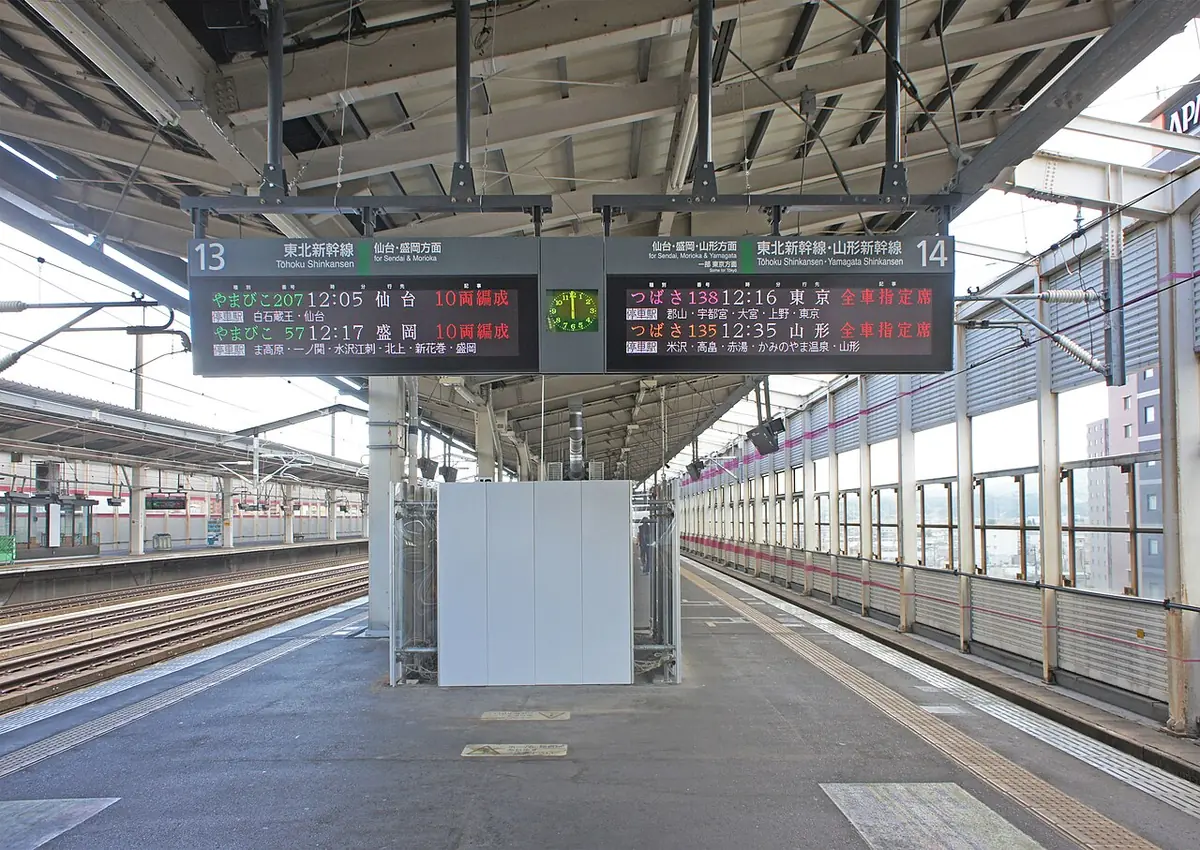

Tokyo to Fukushima Without a Car
Understand Fukushima’s rail gateways, ticket choices and the local connections that matter after the Shinkansen.
Open guide →Official sources
- Winter in FukushimaFukushima Travel · checked 18 August 2026
- JR East railway maps and travel informationJR East · checked 18 August 2026
- Japan Meteorological Agency weather and warningsJapan Meteorological Agency · checked 18 August 2026
- Urabandai Travel GuideUrabandai Tourism Association · checked 18 August 2026