At a glance
travelers using Fukushima City as a base and visiting Date City without a car
Northern Fukushima
10 min read
18 August 2026
Reconfirm changing details with the listed responsible organizations. Source check: 18 August 2026.
Date City is close enough to Fukushima City for a day trip, but its historic places are not arranged like one compact attraction district. The Abukuma Express makes the main settlements accessible; the final distance to castle ruins, mountain sites and orchards decides whether the day feels relaxed or fragmented.
The solution is to choose one Date City focus. Yanagawa is the clearest choice for Date-clan history by rail. Hobara works for a town-centered visit and onward local transport. Ryozen is the landscape choice, but it normally requires a taxi, bus plan or car and should not be casually added to a rail-only day.
Start at Fukushima Station
Fukushima Station is the practical base because the Abukuma Express begins there and the city has the widest accommodation and dining choice in northern Fukushima. Before departure, confirm the day’s train times and identify both the intended return and an earlier backup.
Do not plan the trip as if the local railway were a Tokyo metro line. A missed train can change the shape of the afternoon. Carry enough cash or confirm the current payment method, and avoid taking large luggage on the day trip.
Option 1: Yanagawa for the Date-clan landscape
Yanagawa was an important medieval base for successive Date lords. The castle ruins do not present a reconstructed keep. They are a landscape of earthworks, a restored garden area and the modern town that developed around the historic site.
That makes the municipal history map more useful than a search for one dramatic monument. Read the official explanation before arriving, then walk slowly enough to understand the relationship between the ruins and settlement. The value is in orientation and continuity, not in pretending that every visible feature survives unchanged from the medieval period.
A workable day is:
- leave Fukushima after breakfast on a confirmed Abukuma Express service;
- walk the Yanagawa area and castle ruins in the morning;
- have lunch locally, checking opening days in advance;
- add one nearby museum, town stop or seasonal food purchase;
- return before the final connection becomes the only option.
Allow extra time in summer heat, winter ice or rain. Historic terrain can be uneven even when the town streets are straightforward.
Option 2: Hobara and a broader local day
Hobara is a useful center for understanding modern Date City and reaching services, but the historical and mountain sites remain dispersed. Use it when a specific facility, local event or reserved taxi is part of the plan.
Do not arrive and assume that Ryozen, Takako and Yanagawa can all be joined by frequent public transport. They represent different parts of the wider Date story and deserve separate time. A taxi quote or current bus timetable can turn Hobara into a good hub; without one, keep the day close to the railway.
When to choose Ryozen
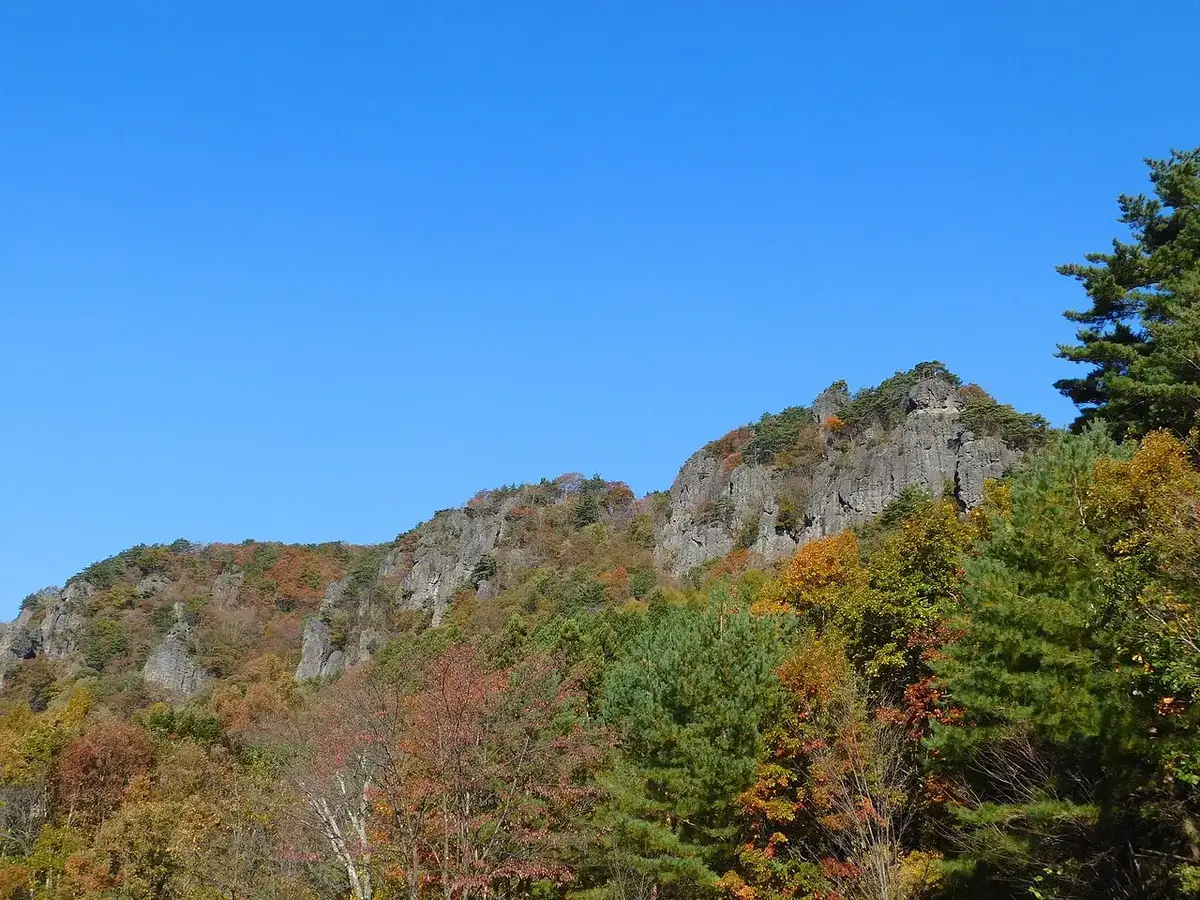
Ryozen adds mountain scenery, religious history and the memory of Kitabatake Akiie. It is not merely a viewpoint beside the station. Trail conditions, weather and the approach must be checked.
Choose Ryozen when:
- hiking or mountain history is the main purpose of the day;
- you have a car, a confirmed local connection or a reserved taxi;
- you carry appropriate shoes, water and weather layers;
- you have checked the trail and facility information.
Do not add it after a long Yanagawa walk simply because the two places share a municipality. In winter, mountain equipment and experience may be necessary; treat icy periods seriously.
Food and seasonal reasons to visit
Date City is one of Fukushima’s fruit-growing areas. Peaches and other orchard crops shape the warm season, while anpo-gaki—semi-dried persimmons—are associated especially with winter production around Yanagawa.
Seasonal food is easiest to enjoy through farm shops, markets and locally operated restaurants when you are traveling by rail. Fruit-picking sites may require reservations and are not automatically close to a station. Check the crop, access and business hours directly before making it the day’s anchor.
Add Koori only with a clear transport plan
Neighboring Koori belongs to the wider Date-clan landscape, including Nishiyama Castle and a traditional grave site associated with the first Date lord. It is a meaningful extension, but not a box to tick at the end of the afternoon.
Rail can bring you into the neighboring area, while the historic site may require further movement. Add Koori when the connection has been planned in advance; otherwise, save it for a second northern Fukushima day.
A car-free checklist
- Pick Yanagawa or Hobara as the principal rail stop.
- Save the outbound, return and backup train.
- Confirm the last kilometer to every site.
- Keep mountain areas out of the plan unless their transport is solved.
- Check restaurant and museum closing days.
- Carry weather protection and water.
- Use Fukushima City for dinner rather than risking the final train for one more stop.
Date City works best when the trip respects its geography. One well-read historic area, a local meal and a comfortable return reveal more than a hurried circuit of disconnected pins.
Put the guide on the map
Towns and routes mentioned here
A northern Fukushima city where medieval Date-clan landscapes, mountain worship and winter fruit culture meet.
Town guideFukushima CityA Shinkansen gateway with music history, orchard landscapes and three distinct onsen districts.
Suggested routeFukushima City and Date by local railUse the Abukuma Express to combine Fukushima’s city gateway with Date-clan history, while keeping the final local connection realistic.
Keep planning
Read next
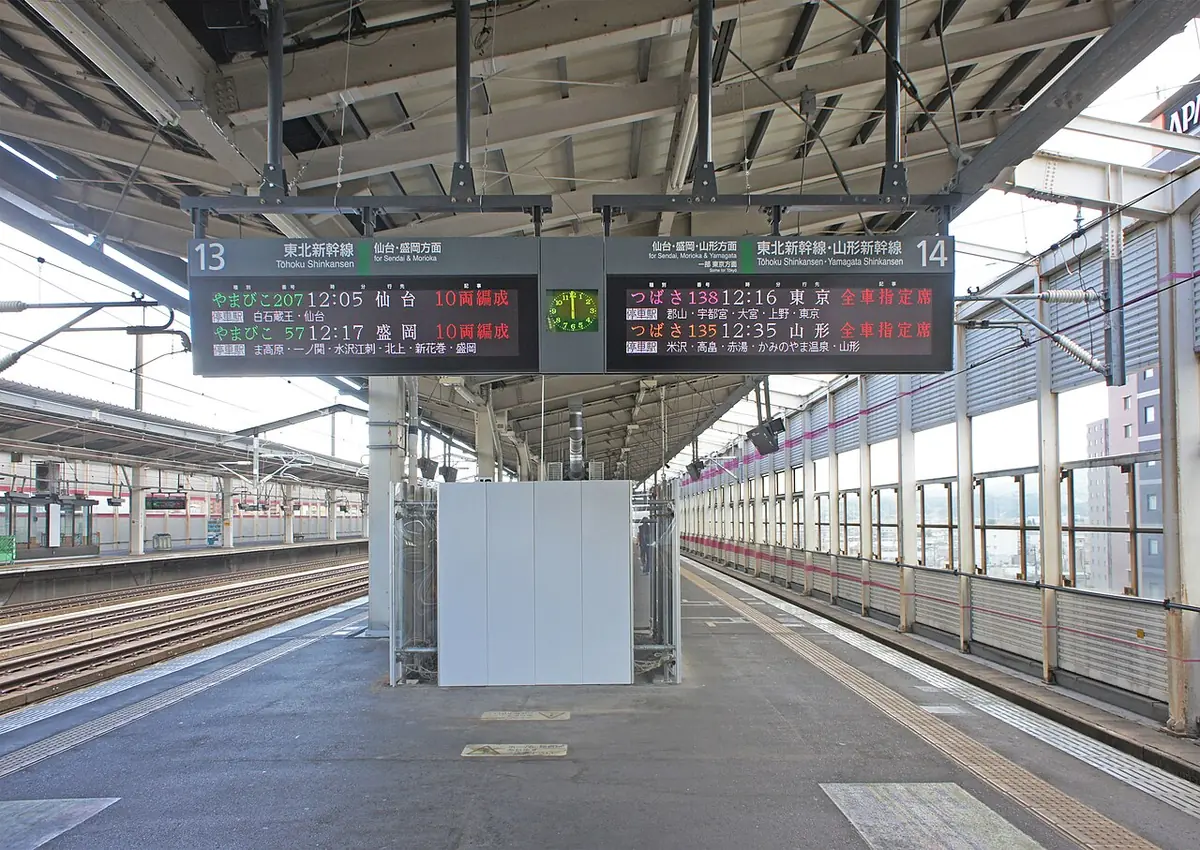

Tokyo to Fukushima Without a Car
Understand Fukushima’s rail gateways, ticket choices and the local connections that matter after the Shinkansen.
Open guide →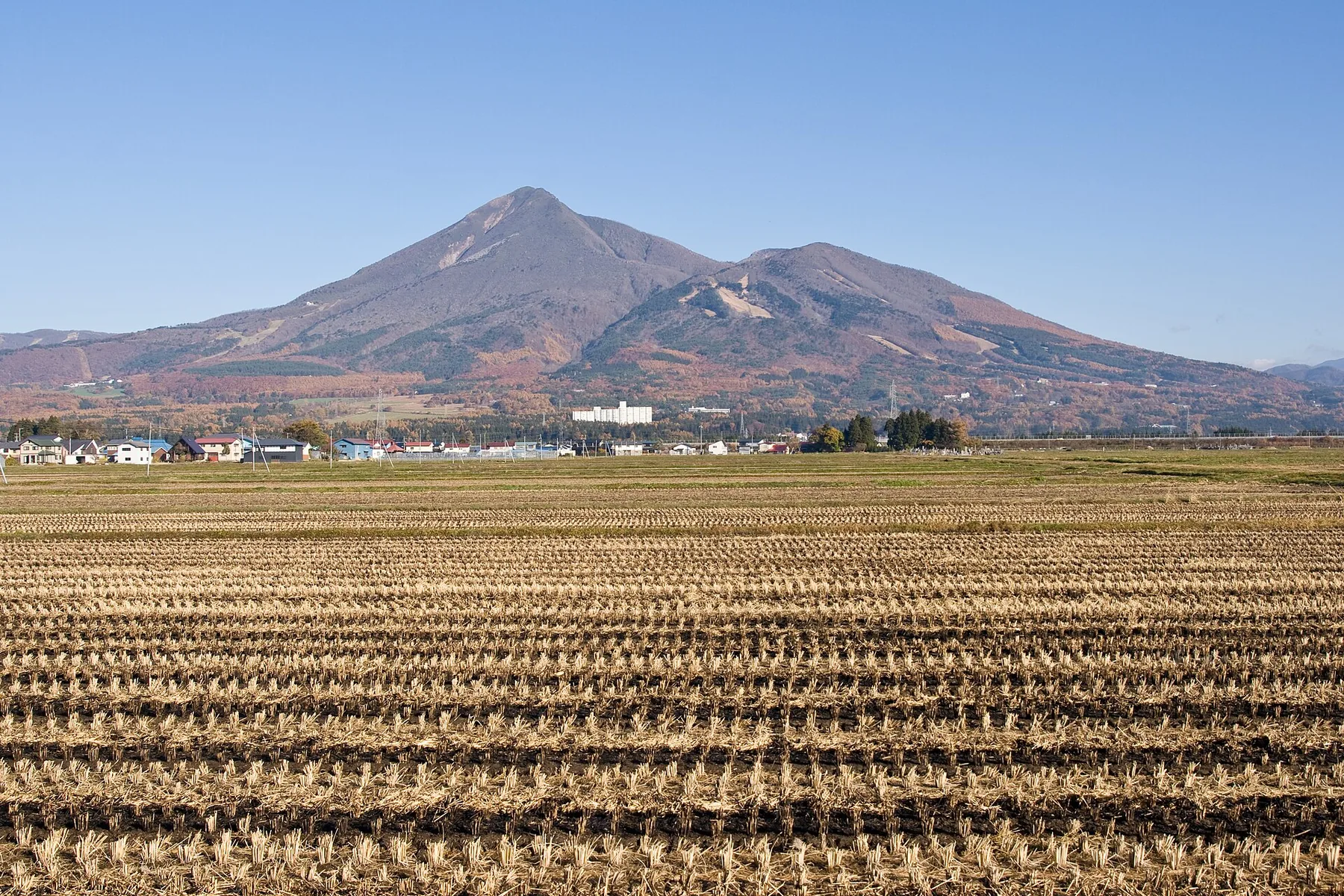

Where to Stay in Fukushima
Compare Fukushima City, Aizu-Wakamatsu, Iwaki, Urabandai and smaller onsen bases by transport, trip style and the places you actually want to see.
Open guide →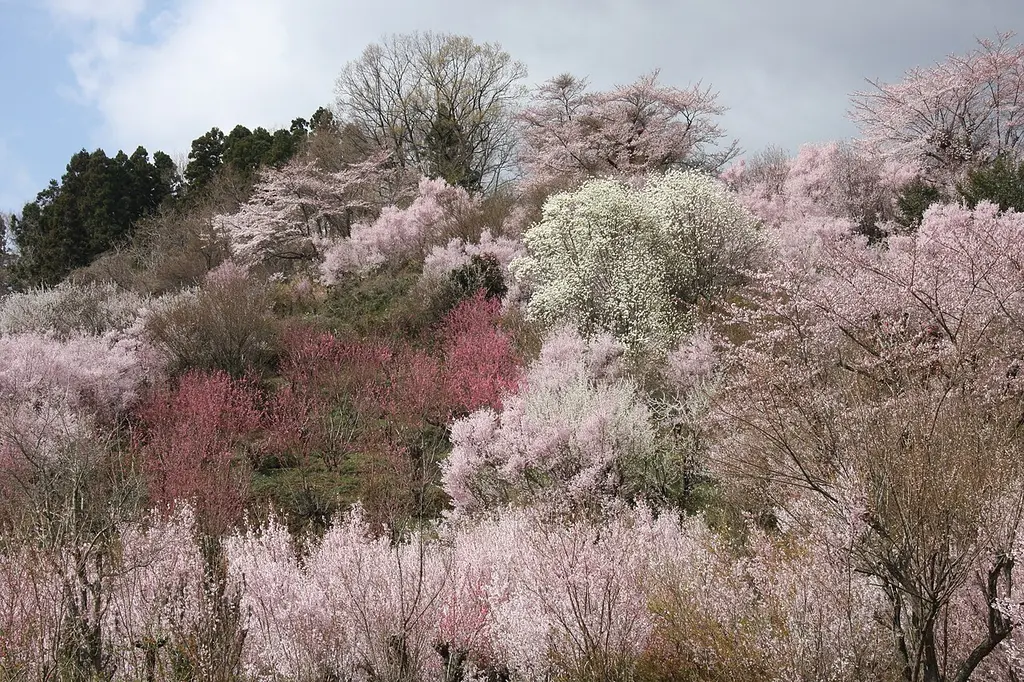

Best Time to Visit Fukushima
Choose the right season for Fukushima’s cherry blossoms, green highlands, autumn color, fruit, snow and onsen—without treating the whole prefecture as one climate.
Open guide →Official sources
- Yanagawa Castle RuinsDate City · checked 18 August 2026
- Date City and the Date ClanDate City · checked 18 August 2026
- Date Clan History MapDate City · checked 18 August 2026
- Access to Fukushima CityFukushima City Tourism Convention Association · checked 18 August 2026